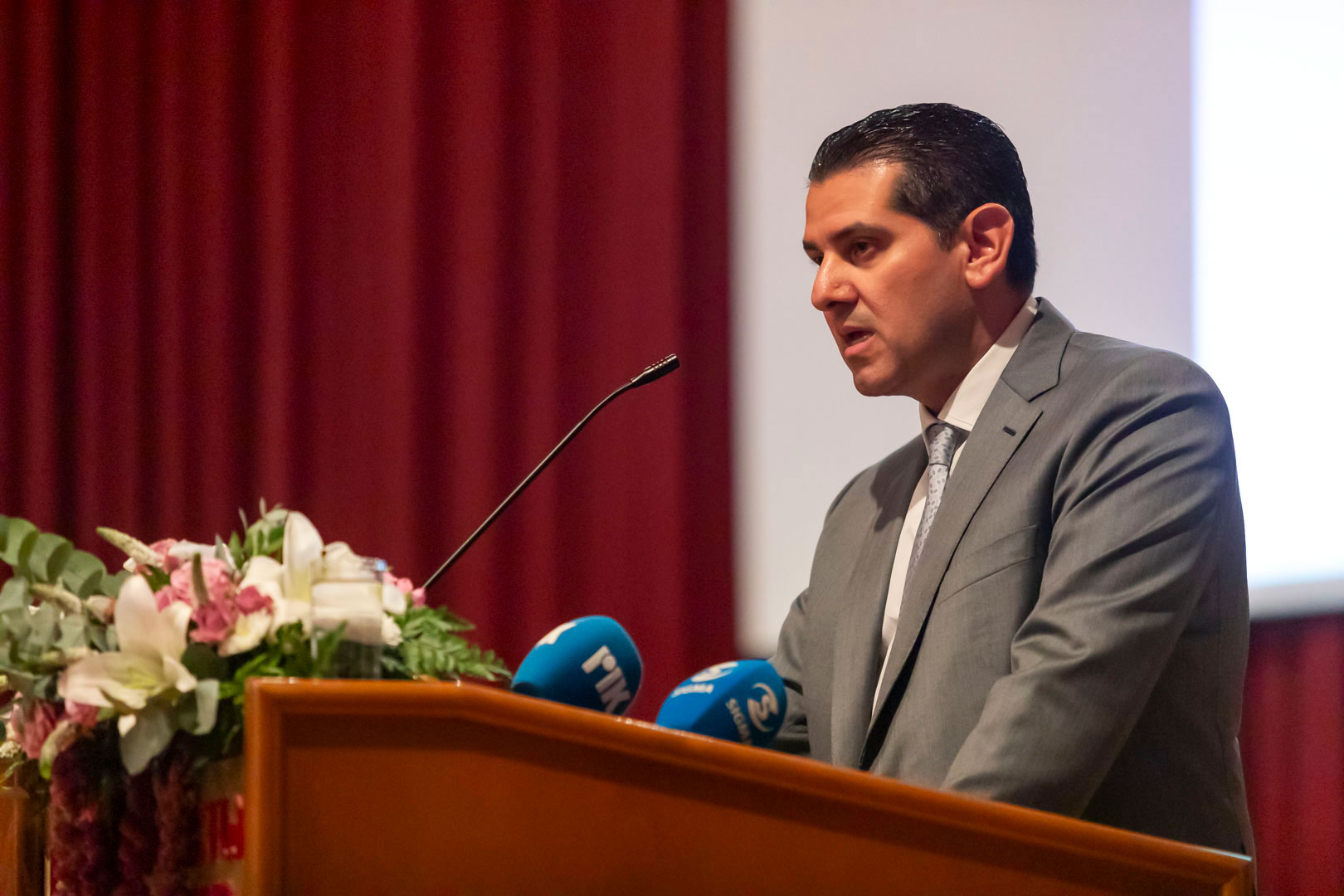
thalassaemia — Thalassaemia patients account for 34 per cent of all blood transfusions in Cyprus, as highlighted by Health Minister Michael Damianos during a recent press conference. The announcement comes ahead of the launch of a national blood strategy aimed at addressing the ongoing challenges in blood supply.
Photo: cyprus-mail.com
- “Emergency health situations, such as pandemics or epidemics, adversely impact the availability of donors,” he stated, underscoring the need for a robust strategy to encourage blood donation.
Damianos emphasised that the island faces significant difficulties in maintaining sufficient supplies of blood and blood products, similar to trends observed across many European nations. He identified several factors contributing to this shortage.
Thalassaemia: Challenges in Blood Donation
Among the issues raised by Damianos are the declining number of age-appropriate blood donors, with young people increasingly leaving Cyprus to pursue studies abroad. The Minister noted the challenges posed by a low birth rate and stricter European Union criteria for blood donors.
“Emergency health situations, such as pandemics or epidemics, adversely impact the availability of donors,” he stated, underscoring the need for a robust strategy to encourage blood donation.
National Blood Strategy Implementation
The Blood Centre, which oversees blood donations in Cyprus, is responsible for implementing EU standards and World Health Organisation guidelines. The national blood donation council has been instrumental in drafting the new national blood strategy, aimed at enhancing the country’s blood collection efforts.
“Transfusions of blood and its derivatives is not just a medical procedure, but a crucial therapeutic intervention that covers a wide range of clinical conditions,” Damianos remarked, highlighting the importance of maintaining an adequate blood supply.
New EU Regulation and Compliance Timeline
In addition to addressing immediate challenges, Cyprus is working towards compliance with a new European Union regulation concerning substances of human origin. This regulation, approved recently, grants Cyprus until August 7, 2027, to fully align with the new standards aimed at enhancing safety and quality in blood treatments.
Damianos expressed a commitment to not only maintain but also improve Cyprus’ high ranking in Europe regarding blood collection, the low risk of transmitting infectious agents, and the overall quality of blood products. “Our goal is to ensure self-sufficiency based exclusively on voluntary, unpaid practices,” he added.
Leave a Reply