Tag: EU regulations

  • The Disappearing Shepherds of Cyprus

    The Disappearing Shepherds of Cyprus

    The role of shepherds in Cyprus is fading, with fewer individuals embracing the traditional occupation as the modern world encroaches on pastoral life.

    Photo: cyprus-mail.com

    • The role of shepherds in Cyprus is fading, with fewer individuals embracing the traditional occupation as the modern world encroaches on pastoral life.

    Shepherds: Life as a Modern Shepherd

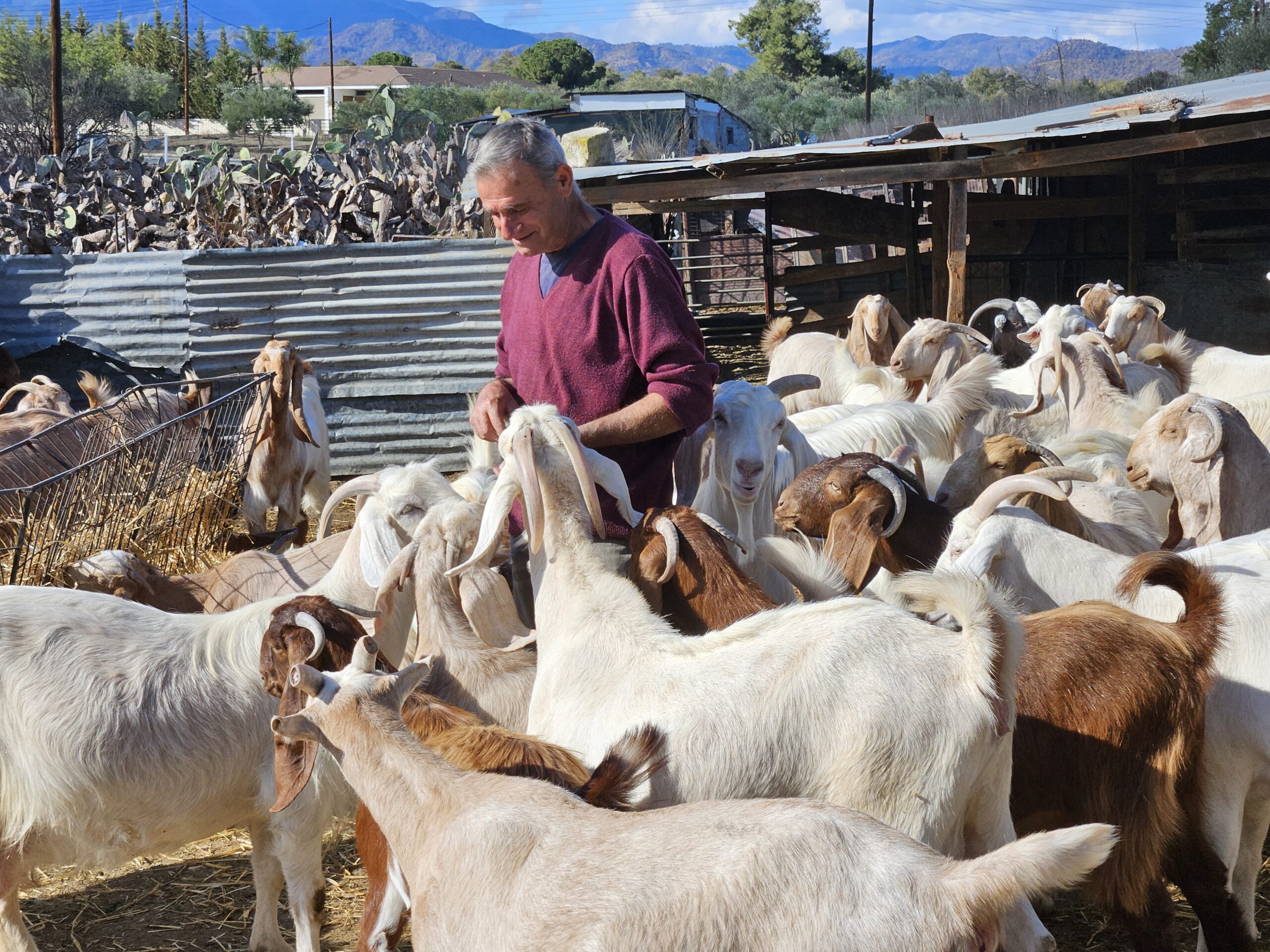
    In the village of Mathiatis, only three shepherds remain dedicated to the age-old practice of watching over their flocks. Among them, George Kasapis stands out, having transitioned from a full-time goatherd to a semi-retired enthusiast. At 66, he reflects on the challenges and joys of his past life, where he supported his family through the rigours of shepherding.

    Photo: cyprus-mail.com

    George’s Journey

    George’s experience as a shepherd was demanding, requiring unwavering commitment every day of the year. “You’re tied to it,” he recalls, explaining how the responsibilities of caring for his animals overshadowed personal and family emergencies. After selling his herd and taking a job with the forestry department, he returned to goat-rearing as a hobby following his retirement three years ago.

    Shepherding in a Changing Landscape

    With the landscape of Cyprus evolving, George now operates from an old enclosure that belonged to his wife’s uncle. His day begins early, involving the production of fresh halloumi before tending to his goats. Despite the challenges, including a recent surgery that left his right arm nearly immobile, he remains agile and spirited, often sharing stories from his time in the fields.

    The Cost of Tradition

    While George enjoys his pastoral life, he acknowledges the financial strain of modern farming regulations. The European Union’s requirements complicate the shepherding landscape, making it difficult for traditional farmers to thrive. Licences and specifications for milking areas and equipment have deterred many from continuing the craft. George laments the decline, stating, “Since we joined the EU, it’s all gone.”

    The Joys of Goat Rearing

    Despite the hurdles, George finds joy in rearing goats. He estimates that a goat costs between €200-250, but he bought ten kids for around €40 each, now nurturing a thriving herd. With December marking the season of births, he anticipates the arrival of new kids, reflecting on the simple pleasures of watching them grow.

    Connections with Animals

    George expresses a profound bond with his goats, asserting their intelligence and emotional capacity. “They love you,” he says, recounting how they acknowledge his care and companionship. His daily routine includes talking to them, feeding them treats, and ensuring their well-being, reinforcing the connection between man and beast.

    A Contrast in Farming Approaches

    Just down the road lies a stark contrast to George’s humble farm—the ultra-modern, EU-funded sheep farm owned by Marios Michael. With 500 sheep and only two staff members, Marios’ operation showcases a mechanised approach to farming. Unlike George, Marios admits he does not take his animals out regularly, preferring to maintain control over their environment to optimise milk production.

    Tradition Versus Technology

    While Marios’ methods reflect efficiency and compliance with modern agricultural practices, George’s approach embodies a connection to traditional shepherding. The mechanised farm may ensure better standards of food safety, yet it also highlights a shift away from the pastoral lifestyle that has defined Cyprus for centuries. George’s memories of leading sheep to slaughter contrast sharply with the sterile environment of Marios’ farm, reminding us of the deep-rooted traditions that are at risk of being lost.

    The Future of Shepherding

    George, despite the financial impracticalities of his work, continues because he loves animals and the life that comes with them. “Where am I going to go?” he muses, acknowledging that his rural existence is a choice shaped by a lifelong connection to nature. As fewer people choose the path of shepherding, the future of this ancient practice hangs in the balance.

  • Teacher evaluation — New Teacher Evaluation Bill Estimated to Cost €12.5 Million

    Teacher evaluation — New Teacher Evaluation Bill Estimated to Cost €12.5 Million

    The new teacher evaluation bill is estimated to cost €12.5 million, as the House education committee has wrapped up its discussion on the amended regulations. The bill, which aims to modernise the evaluation process for educators in Cyprus, is slated for presentation to parliament in mid-December.

    Committee Discussions Conclude

    On Wednesday, the education committee completed its article-by-article review of the bill. Chairman Pavlos Mylonas, a member of the Diko party, highlighted the collaborative nature of the discussions, stating, “The discussion will continue with consultation next Wednesday. It is the formal part of the regulations to go to the plenary.”

    Timeline for Parliamentary Vote

    While a specific date for the parliamentary vote has not been finalised, Mylonas indicated it is likely to occur between December 14 and 16. The committee is also considering the possibility of voting on the evaluation bill alongside a new tax reform proposal.

    Government Officials Weigh In

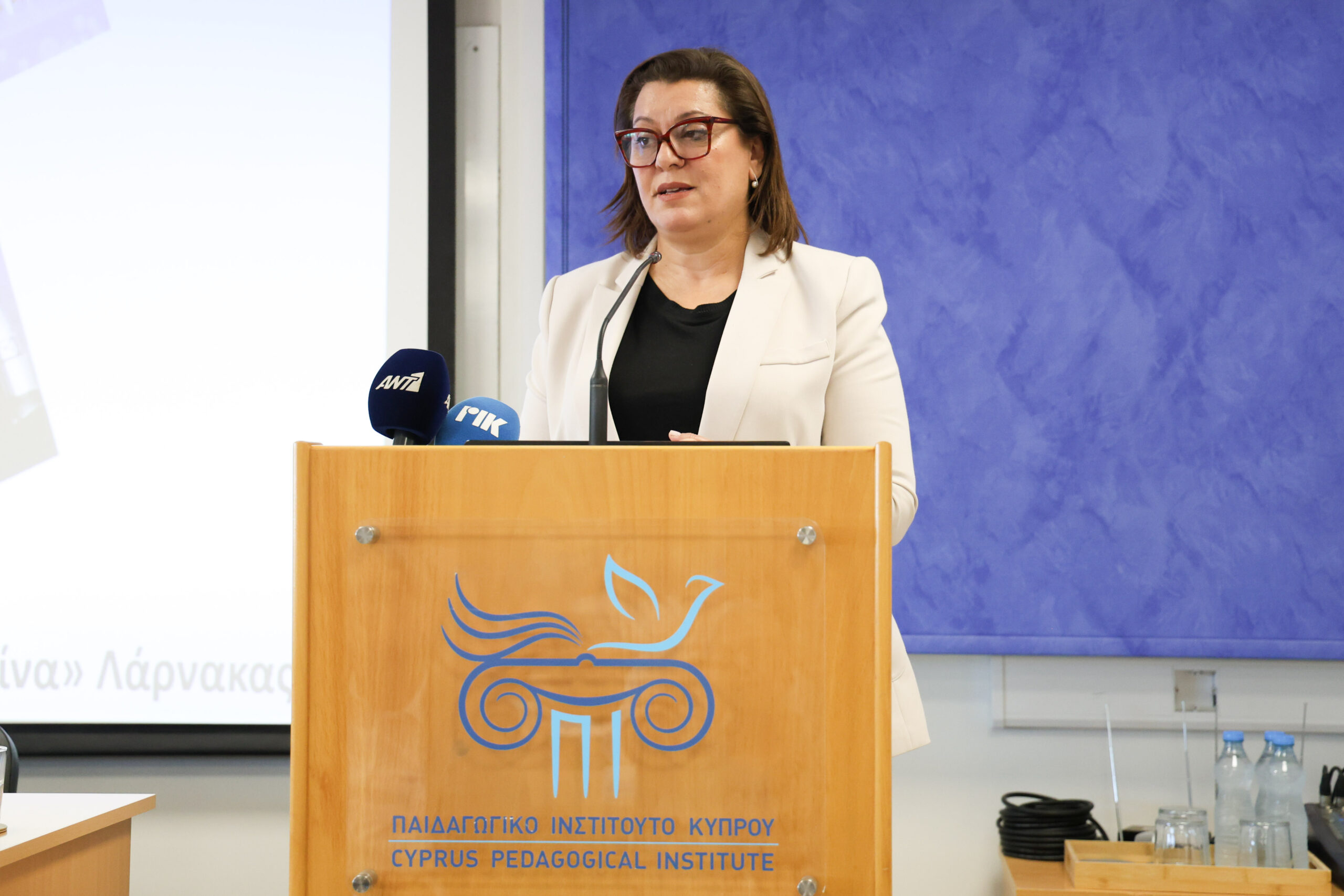
    Education Minister Athena Michaelidou expressed her satisfaction with the committee’s progress, praising their “responsible and serious attitude.” She emphasised her ministry’s aim to achieve a vote that reflects a consensus without compromising on critical elements of the proposal.

    Significant Amendments and Stakeholder Input

    Throughout the discussions, “many of the changes were unanimous,” Mylonas noted, although he acknowledged that some were decided by majority votes after extensive consultations with various stakeholders. Michaelidou reassured the committee that the majority of amendments did not significantly alter the bill’s core philosophy. “We are going to the Plenary with a proposal that is as agreed upon as possible,” she remarked.

    Cost Breakdown of the Evaluation System

    The projected cost of the new teacher evaluation system, set at €12.5 million, primarily stems from the establishment of new inspector positions. According to Michaelidou, these roles are intended to facilitate a more effective evaluation process, allowing for smaller groups to operate in senior teacher positions and providing additional resources to support educators.

    Long Journey to Modernisation

    This push for a new evaluation system marks a significant shift, as the first such system was implemented in Cyprus fifty years ago. The Republic is now under European Union obligations to modernise its educational evaluation processes.

    Concerns and Criticisms from MPs

    DISY MP George Karoullas remarked on how the amendments served to “fill in the gaps and ambiguities” that had been previously highlighted. He expressed confidence that the changes made were necessary for the new evaluation plan to be as comprehensive as possible. Conversely, AKEL MP Christos Christofides raised concerns about the bill, pointing out that his party had identified around 16 critical issues that could affect the bill’s implementation.

    The Future of Teacher Evaluations

    Christofides articulated the underlying challenges, questioning not only who would conduct the evaluations but also the criteria that would be used. He cautioned that while the article-by-article discussion had concluded, there remained significant uncertainties about the practical application of the new regulations. “We are voting on something today, but the essence of this will be decided in the future,” he warned.

    Teachers’ Opposition to Changes

    In the wake of the proposed changes, state school teachers have voiced strong opposition, advocating for the retention of the existing evaluation scheme. This resistance has been persistent, with teachers presenting a list of demands and arguing against the need for an overhaul. As the debate continues, it remains to be seen how the new evaluation system will be received once implemented.

    Moving Forward

    As discussions progress, the education ministry is committed to ensuring the quality and scientific accuracy of the proposed evaluation system. With the parliamentary vote approaching, stakeholders are closely monitoring developments, hoping for a resolution that meets the needs of teachers while fulfilling legislative requirements.

  • Cyprus Faces Challenges with Upcoming EU Dog and Cat Welfare Regulation

    Cyprus Faces Challenges with Upcoming EU Dog and Cat Welfare Regulation

    eu dog — Cyprus is unprepared for the new EU dog and cat welfare regulation set to take effect in the coming months. The European Union has mandated its member states to implement a comprehensive framework aimed at enhancing the welfare and traceability of pets, following the European Parliament’s approval of strict measures on 19 June 2025.

    Photo: in-cyprus.philenews.com

    This regulation introduces rigorous standards for breeding, housing, and handling of dogs and cats, alongside universal microchip identification. The goal is to improve transparency for consumers and foster fair competition among breeders, sellers, and shelters without imposing undue burdens on existing pet owners.

    Photo: in-cyprus.philenews.com

    Eu dog: New Standards for Pet Welfare

    The measures under discussion focus on establishing minimum welfare standards for animal facilities. These include requirements for adequate space, proper lighting, sufficient ventilation, and access to food and water. Additionally, regular inspections and annual veterinary visits will be mandated to ensure compliance and proper record-keeping.

    Identification is a central aspect of the new regulation; every dog and cat must have a microchip and be registered in a national database prior to being sold or adopted. This database will be interoperable across the EU, allowing for easy tracing of each animal’s origin and ownership history.

    Implications for Cyprus

    For Cyprus, the passing of this regulation necessitates the establishment of a unified national registry for dogs and cats, linked to the broader European database. The Veterinary Services are designated as the competent authority, responsible for conducting inspections, licensing facilities, and performing annual veterinary checks. Sanctions for non-compliance will need to be effective and proportionate, while clear guidelines for online advertisements are essential.

    Concerns Over Preparedness

    Despite the lengthy discussion surrounding these regulations within the EU, Cyprus has yet to make significant preparations for their implementation. Charalambos Theopemptou, the president of the Environment Committee, expressed concerns about the country’s readiness. He pointed out that while identification for dogs has been in place since 2002, many dogs remain unregistered, and the challenge of identifying the owners of the estimated one million cats in Cyprus remains unresolved.

    Theopemptou emphasised that the regulation will automatically come into force without needing parliamentary approval. “The government has known about it since 2022,” he stated, noting that other countries have been proactive in their preparations. He reiterated that the regulation’s final text is pending a vote in the European Parliament, expected later this year.

    Call for Action

    The situation calls for immediate action from the government, municipalities, pet shops, and breeders in Cyprus. They must evaluate existing legislation, organise their records, and enhance facilities to comply with the forthcoming standards. The urgency for coordination between the national registry and the European system cannot be overstated, as the timeline for implementation approaches.

    The new regulations represent a significant shift in how pets are treated across the EU, aiming to combat illegal trade and improve animal welfare standards. As the deadline looms, the need for effective preparation in Cyprus becomes increasingly critical.

  • Thalassaemia — Thalassaemia Patients Represent 34% of Blood Transfusions in Cyprus

    Thalassaemia — Thalassaemia Patients Represent 34% of Blood Transfusions in Cyprus

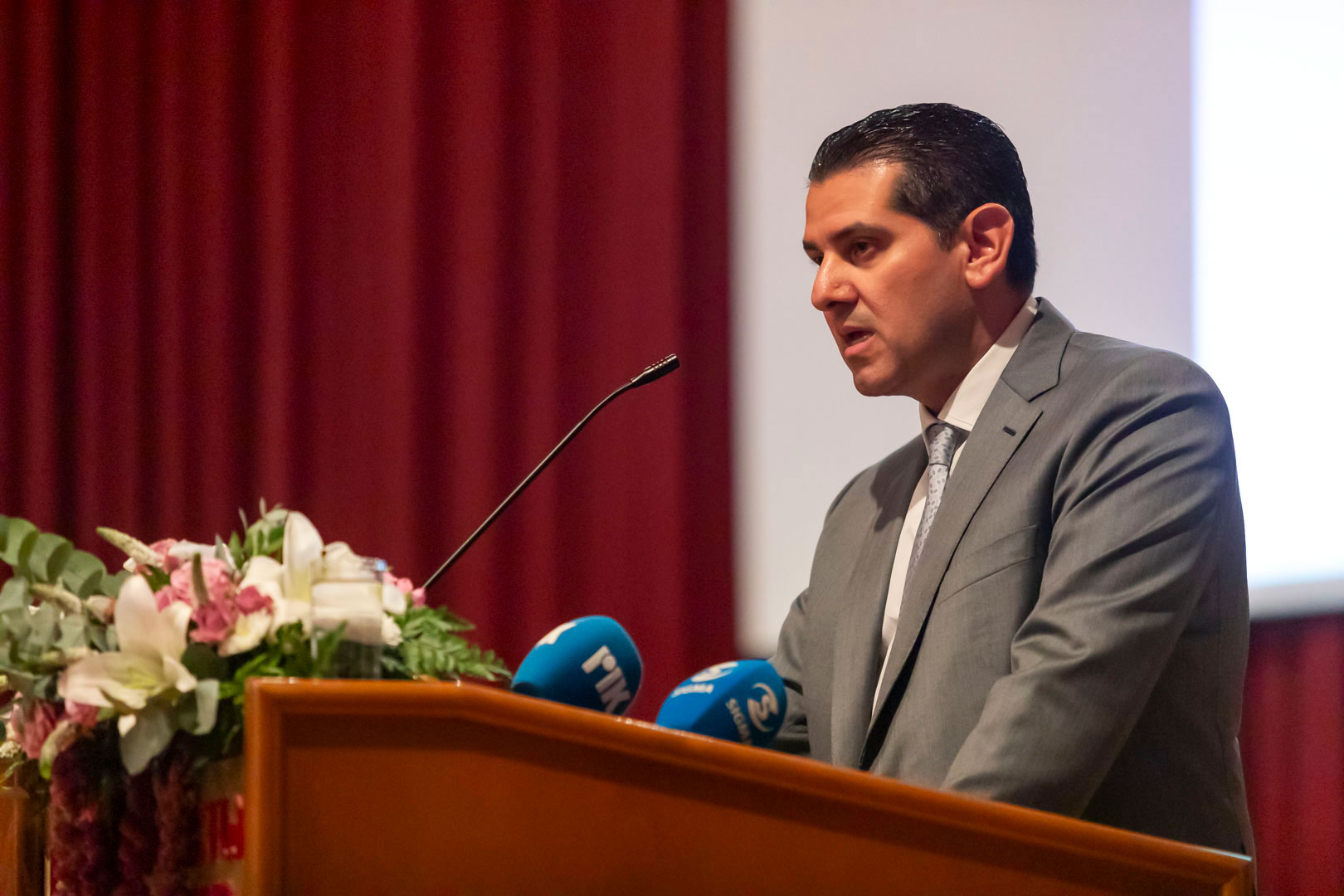
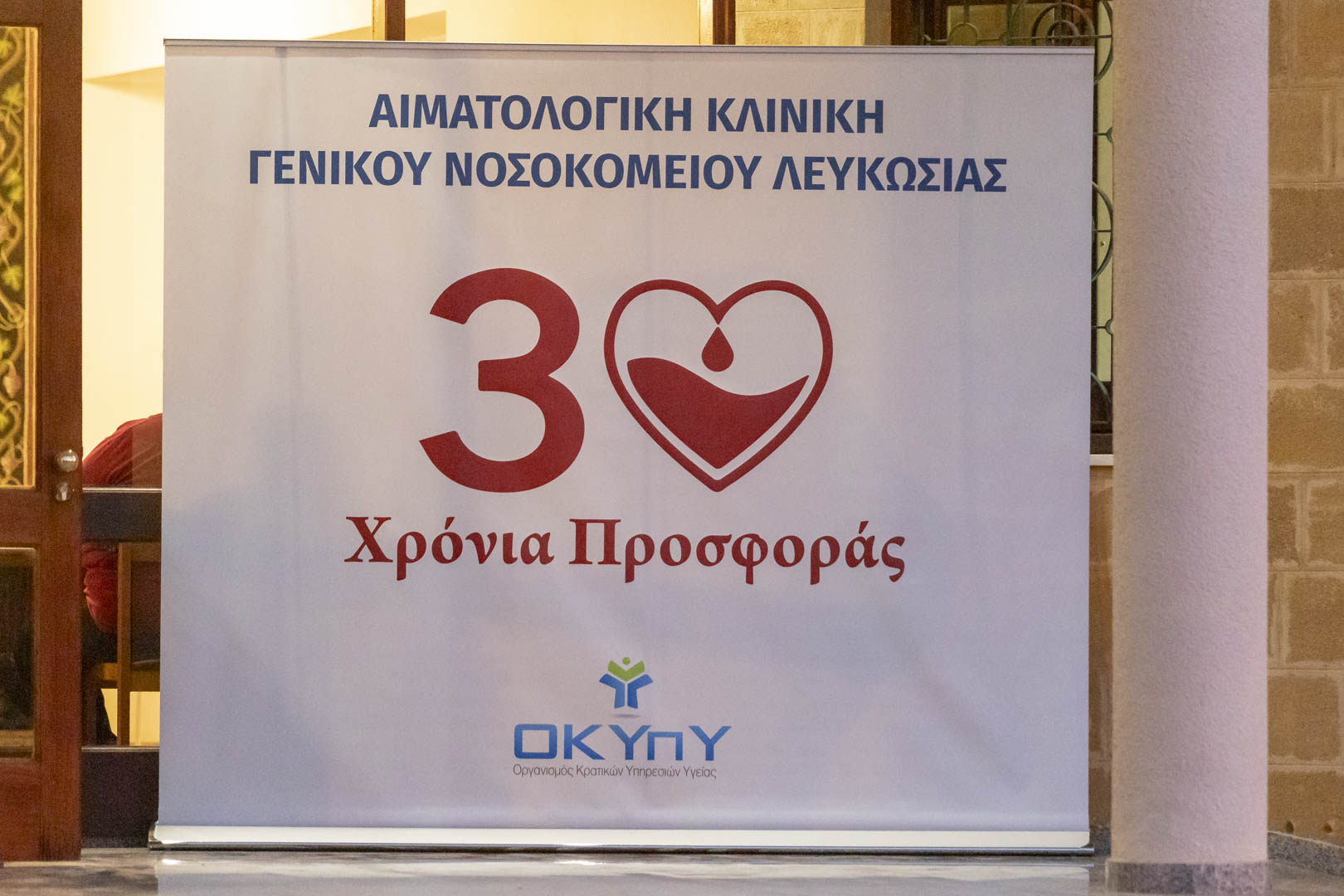
    thalassaemia — Thalassaemia patients account for 34 per cent of all blood transfusions in Cyprus, as highlighted by Health Minister Michael Damianos during a recent press conference. The announcement comes ahead of the launch of a national blood strategy aimed at addressing the ongoing challenges in blood supply.

    Photo: cyprus-mail.com

    • “Emergency health situations, such as pandemics or epidemics, adversely impact the availability of donors,” he stated, underscoring the need for a robust strategy to encourage blood donation.

    Damianos emphasised that the island faces significant difficulties in maintaining sufficient supplies of blood and blood products, similar to trends observed across many European nations. He identified several factors contributing to this shortage.

    Thalassaemia: Challenges in Blood Donation

    Among the issues raised by Damianos are the declining number of age-appropriate blood donors, with young people increasingly leaving Cyprus to pursue studies abroad. The Minister noted the challenges posed by a low birth rate and stricter European Union criteria for blood donors.

    “Emergency health situations, such as pandemics or epidemics, adversely impact the availability of donors,” he stated, underscoring the need for a robust strategy to encourage blood donation.

    National Blood Strategy Implementation

    The Blood Centre, which oversees blood donations in Cyprus, is responsible for implementing EU standards and World Health Organisation guidelines. The national blood donation council has been instrumental in drafting the new national blood strategy, aimed at enhancing the country’s blood collection efforts.

    “Transfusions of blood and its derivatives is not just a medical procedure, but a crucial therapeutic intervention that covers a wide range of clinical conditions,” Damianos remarked, highlighting the importance of maintaining an adequate blood supply.

    New EU Regulation and Compliance Timeline

    In addition to addressing immediate challenges, Cyprus is working towards compliance with a new European Union regulation concerning substances of human origin. This regulation, approved recently, grants Cyprus until August 7, 2027, to fully align with the new standards aimed at enhancing safety and quality in blood treatments.

    Damianos expressed a commitment to not only maintain but also improve Cyprus’ high ranking in Europe regarding blood collection, the low risk of transmitting infectious agents, and the overall quality of blood products. “Our goal is to ensure self-sufficiency based exclusively on voluntary, unpaid practices,” he added.

  • Money laundering — Authorities Seize €63.2 Million in Major Money Laundering Crackdown

    Money laundering — Authorities Seize €63.2 Million in Major Money Laundering Crackdown

    Authorities seized assets worth €63.2 million in 2024 as part of a significant money laundering crackdown, a remarkable increase from approximately €1 million in 2023, according to the latest data from the anti-money laundering unit.

    • Following successful prosecutions, confiscation orders transferring ownership of frozen assets to the state totalled €372,695 for domestic cases and £17,993 for foreign requests.
    • A new European Anti-Money Laundering Authority (AMLA) will be established to oversee the coordination of national agencies, ensuring consistent implementation of these rules.

    Money laundering: Domestic and International Efforts Yield Results

    The Unit for Combating Money Laundering (MOKAS), operating under the Attorney General’s office, played a crucial role in these operations. This year, MOKAS froze €8.5 million linked to domestic criminal investigations, while €54.7 million was restrained following requests from foreign jurisdictions.

    Targeted Actions Against Luxury Assets

    In a concerted effort to combat organised crime, authorities executed court orders resulting in the seizure of €1.91 million in cash, alongside $6,163. They also confiscated 25 properties valued at €5.075 million and 30 motor vehicles worth €430,000. Additional seizures included a boat valued at €9,500, 119 jewellery items worth approximately €1 million, and various luxury goods.

    Increased Requests Highlight Growing Collaboration

    In 2024, police requests to MOKAS surged by 36%, resulting in 129 cases, while requests from the customs department skyrocketed by 90%, reaching 38 cases. This surge reflects a growing collaboration among different law enforcement agencies.

    International Cooperation Leads to Major Asset Restraints

    Significant asset restraints were achieved through international judicial cooperation, totalling €54.7 million. Foreign court orders registered in Cyprus facilitated the seizure of €2.44 million, $4.75 million, and £1,360 in various currencies, alongside 14 properties valued at €6.63 million and six vehicles worth €660,000. Notably, authorities froze an investment portfolio worth $45 million, representing the largest single asset seizure recorded during this period.

    Permanent Confiscation of Assets

    Following successful prosecutions, confiscation orders transferring ownership of frozen assets to the state totalled €372,695 for domestic cases and £17,993 for foreign requests.

    New EU Regulations Set to Impact the Financial Landscape

    The landscape of anti-money laundering efforts is set to change further with new European Union regulations coming into effect in 2027. These regulations will extend compliance requirements to cryptocurrency providers, professional football clubs and agents, crowdfunding intermediaries, and investment migration service providers. The EU package aims to strengthen due diligence requirements, beneficial ownership regulations, and will impose a €10,000 cash payment limit across the Union territory.

    A new European Anti-Money Laundering Authority (AMLA) will be established to oversee the coordination of national agencies, ensuring consistent implementation of these rules.