Blog

  • House Discusses Impact of AI on Democracy and Future Elections

    House Discusses Impact of AI on Democracy and Future Elections

    The effects of artificial intelligence (AI) on democracy have emerged as a pressing concern for lawmakers, particularly in the context of its potential influence on future elections. This topic dominated discussions at the House institutions committee on Wednesday, where members expressed their unease regarding Cyprus’ readiness to handle potential AI-driven interferences.

    Ai: Concerns Over External Influences

    During the committee meeting, attending MPs voiced fears about the prospect of external influences manipulating information distributed through AI applications during election periods. The chairman of the committee, Demetris Demetriou, a member of the Disy party, urged the government to put in place effective protection mechanisms for users. He called for the establishment of control measures to oversee the application of technology in political contexts.

    Amending Legislation for New Challenges

    Vasiliki Triga, a professor of political communication, highlighted the urgent need to amend current legislation to address the challenges posed by the increasing use of AI. Triga warned that applications like ChatGPT should not be regarded as “safe” for information gathering, as they often contain biases that could skew public perception.

    Regulatory Efforts Underway

    According to a representative from the digital policy directorate of the deputy ministry of innovation, efforts are already underway to regulate AI in Cyprus. The relevant EU regulation is currently under discussion at both national and European levels, especially with Cyprus set to assume the EU Council Presidency soon. The ministry official mentioned that a study had been initiated to evaluate the current state of AI implementation on the island, identify stakeholders, and support the development of a national legal framework. A preliminary version of this framework is already in place.

    Timeline for Legislative Changes

    The official presentation of the proposed bill is scheduled for March 2026, which aims to address the concerns raised during the committee discussions. In the meantime, Maria Stylianou-Lottides, the commissioner for administration and human rights, along with Maria Christofidou, the information and personal data protection commissioner, have been appointed as the supervisory authorities overseeing the regulation of AI usage.

    Progress in Regulatory Measures

    Officials from the Radio-Television Authority, tasked with supervising the implementation of the EU’s digital services act, reported that measures to facilitate regulation are advancing. They indicated that the regulation is currently under study, and procedures addressing the issues raised by the regulation are being drafted. Additionally, plans are in motion to create a register of entities that will be supervised under this new regulatory framework.

    Promoting News Literacy and Digital Awareness

    Nikolas Karydis, a representative from the Institute of Mass Media (IMME), emphasised the importance of fostering news literacy among the public. He underlined the necessity for both young people and the elderly to develop skills that will enable them to identify misinformation, particularly in an era where social media plays a significant role in information dissemination.

    Educational Initiatives in Digital Literacy

    Thanasis Tsokos, the director general of CyBC, highlighted the broadcaster’s commitment to promoting digital literacy from a young age. He advocated for the development of educational courses that would teach children about the possibilities and risks associated with digital technology, thus preparing them to navigate the challenges posed by AI and misinformation.

    Public Concerns About Misinformation

    A recent survey conducted by the Union of Cyprus Journalists revealed that television and social media remain the primary sources of information for 72 per cent of the public. Alarmingly, 44 per cent of respondents indicated that misinformation and fake news are significant concerns. The survey also found that online portals and radio are the next most common sources of information, followed by the printed press, which has a notably lower engagement at 15 per cent. Only 10 per cent of the public rely on Greek press sources, while foreign press accounts for just 9 per cent.
  • Government’s Waste Management Plan Faces Harsh Criticism

    Government’s Waste Management Plan Faces Harsh Criticism

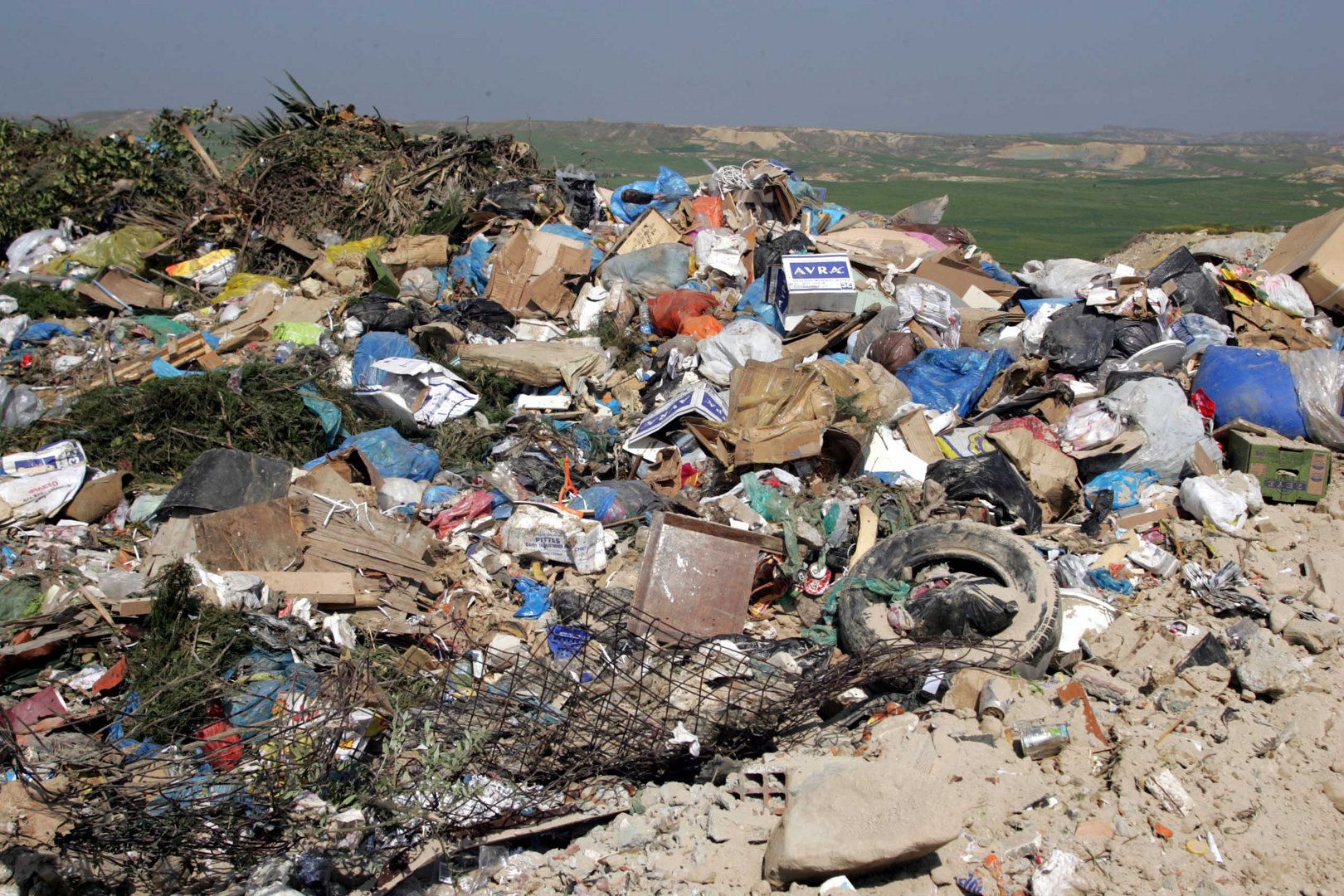
    The government’s waste management plan has come under intense scrutiny from members of the House environment committee, who labelled it as ‘inadequate’ during a meeting on Wednesday.

    • The government’s waste management plan has come under intense scrutiny from members of the House environment committee, who labelled it as ‘inadequate’ during a meeting on Wednesday.

    Leading the charge, committee chairman and Greens MP Charalambos Theopemptou highlighted alarming issues such as uncontrolled landfills, hazardous unrecycled materials, and significant gaps in the collection systems. He expressed deep concern over the current situation, stating he felt “ashamed” as Cyprus prepares to take its turn as EU President in the first half of 2026.

    Theopemptou pointed out that since joining the European Union in 2004, Cyprus has struggled to implement critical EU directives on waste management, instead opting for a simplistic approach of burying waste. He urged for immediate action in light of the new EU legislation on packaging and recycling, calling for updated public contracts that mandate the use of recycled materials in construction.

    While the committee acknowledged progress in certain areas, such as steady developments in paper recycling and the presence of recycling bins in 70 per cent of pharmacies for expired medicines, other significant issues remain unaddressed. One pressing concern is the lack of a collection system for greenhouse nylon, which has led many farmers to resort to burning the material, releasing harmful pollutants into the environment.

    Theopemptou also raised alarms regarding hazardous components found in old appliances. He cited the dangers posed by materials like circuit boards in washing machines and the gases found in air conditioners, which, if not handled properly, could lead to environmental and health risks.

    Adding to the concerns, he stated that 40 per cent of the packaging submitted for recycling is currently non-processable, which raises questions about public education on recycling and compliance among manufacturers. A significant volume of non-recyclable materials ends up at the Koshi facility or is disposed of illegally, exacerbating the waste crisis.

    Akel member Nikos Kettiros joined the criticism, describing the waste management programme as “problematic” and highlighting the lack of clarity regarding its expected outcomes. He pointed out a shocking statistic: only one third of all engine oils are collected, with no oversight on where the remaining quantities are going.

    Collection rates for electrical and electronic equipment are similarly low, standing at around 30 per cent. Kettiros expressed frustration over the proliferation of illegal dumping sites, which continue to fill rivers and fields, driven by high disposal costs that incentivise illegal dumping.

    Despite instructions from the environment department to local authorities to clean up specific areas, Kettiros lamented that new dumping sites seem to appear just as quickly as existing ones are cleared. He insisted that the government’s updated waste management plan, which is expected in 2026, must provide effective and sustainable solutions to address the pressing waste crisis facing Cyprus.

  • Cyprus and Lebanon Finalise Exclusive Economic Zone Agreement After Two Decades of Negotiation

    Cyprus and Lebanon Finalise Exclusive Economic Zone Agreement After Two Decades of Negotiation

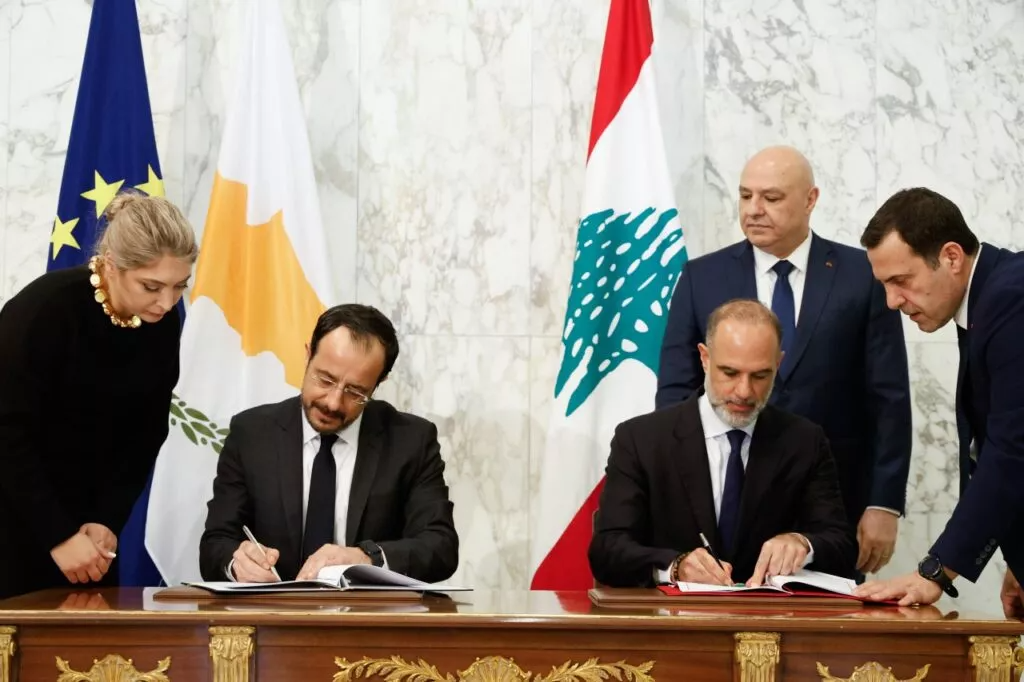
    exclusive economic — Cyprus and Lebanon have officially signed an exclusive economic zone (EEZ) delimitation agreement, concluding a dispute that has lasted two decades and paving the way for collaborative energy exploration in the eastern Mediterranean.

    Exclusive economic: Historic Signing Ceremony

    The agreement was signed on Wednesday at Baabda Palace, with President Nikos Christodoulides of Cyprus and President Joseph Aoun of Lebanon presiding over the event. The Cypriot President, alongside Lebanon’s Minister of Transport and Public Works, Fayez Rassamny, represented their respective nations in this significant accord.

    Legal Certainty for Investors

    Both leaders expressed that the agreement establishes maritime boundaries, providing essential legal clarity for potential investors interested in energy exploration. Following the ceremony, President Christodoulides remarked that the signing is a milestone for bilateral relations, emphasizing the importance of international law and good neighbourly relations.

    A Strong Political Message

    President Christodoulides described the signing as a strong political message, indicating that Cyprus and Lebanon are committed to fostering trust and mutual respect. He highlighted the role of Lebanese political will in making this agreement possible, acknowledging the efforts of President Aoun, Prime Minister Nawaf Salam, and Lebanon’s political leadership.

    He commended the negotiating teams led by Rassamny and Cyprus’s national security adviser, Tasos Tzionis, for their diligent work, which he described as “tireless and methodical” and conducted “in a spirit of trust and transparency.”

    Strengthening Bilateral Cooperation

    During his address, Christodoulides noted that this marks the third exchange of visits between the two leaders in less than a year, reflecting the strong ties that bind the two nations. He underscored the agreement’s potential to enhance cooperation in crucial sectors such as energy and infrastructure.

    Exploring Maritime Resources

    President Aoun welcomed the agreement, stating it would enable both countries to begin exploring their maritime resources and bolster cooperation at this level. He outlined potential new joint projects in various sectors, including renewable energy, telecommunications, electricity transmission, and tourism.

    Joint Defence Initiatives

    The Lebanese president also noted the ongoing cooperation in defence and security, mentioning a joint search and rescue centre operated by both nations’ defence ministries. This initiative signifies a commitment to regional stability and collaboration in addressing common challenges.

    Feasibility Study for Electrical Interconnection

    In a significant development, both presidents announced their intention to pursue a feasibility study for an electrical interconnection between Cyprus and Lebanon. They have approached the World Bank to assist in this project, which has the potential to enhance energy cooperation.

    Broader Bilateral Discussions

    Aside from energy cooperation, the leaders engaged in discussions on broader bilateral cooperation, regional developments impacting both nations, and Lebanon’s relations with the European Union. Aoun expressed anticipation for Cyprus to assume the presidency of the Council of the European Union in the first half of 2026, hopeful that it will facilitate stronger ties with the EU.

    Invitation for Future Collaboration

    In closing, President Christodoulides reaffirmed Cyprus’s support for Lebanon’s sovereignty and territorial integrity, declaring Cyprus as a reliable partner in the region. He extended an invitation to President Aoun for upcoming events, including the EU presidency assumption ceremony on 7 January and a Council meeting in April, where sectors such as energy and education will be discussed.

    This EEZ delimitation agreement not only marks a significant step in Cyprus-Lebanon relations but also opens the door for future collaboration in energy and infrastructure, reflecting a commitment to mutual prosperity in the eastern Mediterranean.

  • Service weapon — Police Officer Injured by Service Weapon Discharge in Paralimni

    Service weapon — Police Officer Injured by Service Weapon Discharge in Paralimni

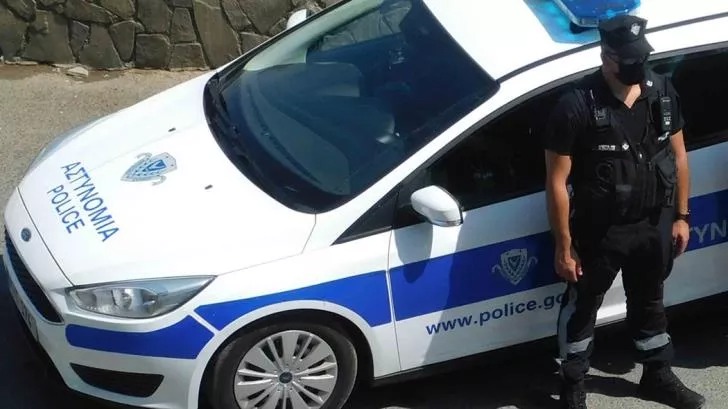
    A police officer was injured after a discharge of a service weapon in the Paralimni Police Station on Monday evening.

    • A police officer was injured after a discharge of a service weapon in the Paralimni Police Station on Monday evening.

    The incident occurred at approximately 19:45 during routine security procedures for the handover of firearms. According to an official announcement, two officers were involved in the handover process when the weapon accidentally discharged.

    The discharge resulted in a leg injury for one officer, who was promptly transported by ambulance to Famagusta General Hospital. Medical staff assessed the injury and confirmed it to be a superficial wound to the left leg. The officer is expected to receive stitches and be discharged shortly.

    In light of the incident, the Chief of Police has ordered an investigation to understand the circumstances leading to the weapon’s discharge. The police department emphasised their commitment to ensuring the safety of their personnel and the public during firearm handling procedures.

  • Health Minister Highlights Importance of Animal Health for Public Safety

    Health Minister Highlights Importance of Animal Health for Public Safety

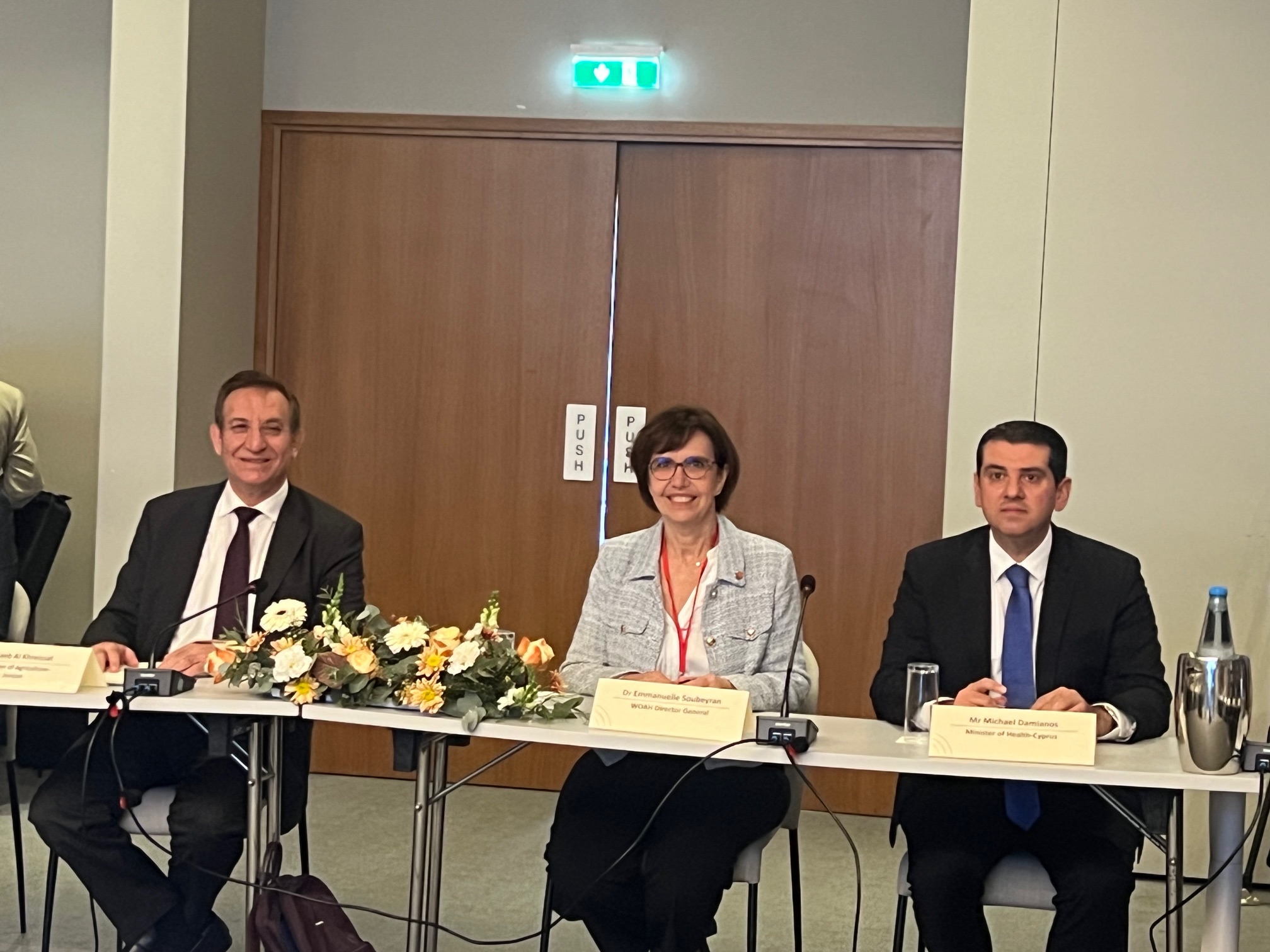
    Animal health is crucial for public health and food safety, emphasised Health Minister Michael Damianos at the 18th conference of the Middle East regional committee for the World Organisation for Animal Health (WOAH) in Larnaca. The conference, which convened on Monday and Tuesday, gathered experts, policymakers, and stakeholders committed to enhancing animal health standards across the region.

    Focus on Animal Health and Public Safety

    During his address, Damianos underscored the integral role of animal health in building resilient societies. He noted the relationship between animal well-being and food safety, highlighting that effective animal health measures are essential for ensuring the safety of food products consumed by the public. The conference aimed to address the challenges of zoonotic diseases—those transmitted between animals and humans—emphasising the need for comprehensive strategies.

    Climate Change and Animal Diseases

    Damianos also addressed the impact of climate change on animal health, noting that rising temperatures and changing weather patterns lead to the proliferation of various animal diseases. The health minister pointed out that these environmental shifts require the implementation of effective measures to manage animal populations and safeguard public health. “The distribution of animal diseases is expanding due to climate change, and we must adapt our strategies accordingly,” he stated.

    Proposed Measures for Improvement

    To combat the challenges posed by animal diseases, Damianos proposed a series of measures aimed at enhancing animal health and food safety. These include:

    • Robust Biosecurity Systems: Establishing strong biosecurity protocols to prevent disease outbreaks.
    • Early Warning Detection: Implementing systems for early detection of animal diseases.
    • Harmonised Field Surveillance: Enhancing surveillance and monitoring systems across the region.
    • Real-Time Molecular Diagnostics: Investing in advanced diagnostic technologies for quicker disease identification.
    • Risk-Based Vaccination Programmes: Developing vaccination strategies tailored to specific risks.
    • Cross-Border Information Exchange: Facilitating communication between countries to manage disease threats effectively.

    These initiatives are seen as vital for maintaining a healthy animal population and ensuring the availability of safe animal products for human consumption.

    Addressing Antimicrobial Resistance

    Damianos warned about the growing threat of antimicrobial resistance, which undermines both veterinary and human medicine. He advocated for the promotion and implementation of a national Antimicrobial Resistance action plan, stressing its importance for the effective management of this pressing issue. “Antimicrobial resistance poses a silent modern threat that we must address with urgency,” he said.

    Enhancing Veterinary Practices

    The minister also highlighted plans to bolster laboratory capacities and implement an e-prescribing platform for veterinary medicines. This initiative aims to ensure that all veterinary medications are prescribed by qualified animal health professionals, thereby improving the management of animal health and reducing the misuse of antibiotics.

    Collaboration and Shared Commitment

    Despite the complexities of the challenges ahead, Damianos expressed confidence in the collective expertise and commitment of the participants at the conference. He stated, “Although the challenges we face are complex, our collective expertise, shared values, and commitment to the principles of WOAH provide us with the necessary tools to overcome them.”

    A Regional Perspective on Animal Health

    Emmanuelle Soubeyran, the Director General of WOAH, echoed Damianos’s sentiments, highlighting the interconnectedness of animal healthcare and public health. She noted that many diseases affecting humans originate from animals, reinforcing the need for a unified approach to animal health. “Animal healthcare also concerns public health, given that many diseases can be transmitted between humans and animals,” she remarked.

    International Cooperation in Animal Health

    The conference also saw contributions from various regional leaders, including Jordanian Agriculture Minister Saeb Khreisat. Khreisat reaffirmed his commitment to improving animal healthcare and promoting safe international trade. He underscored the importance of collaboration, stating, “Diseases know no borders, and cooperation in times of need strengthens international ties.”

    As the conference continues, participants are expected to discuss further strategies and solutions to bolster animal health in the region, reflecting a strong commitment to ensuring public safety and food security across the Middle East.

  • Azeri national — Cyprus Supreme Court Upholds Arrest Warrant for Azeri National in Espionage Case

    Azeri national — Cyprus Supreme Court Upholds Arrest Warrant for Azeri National in Espionage Case

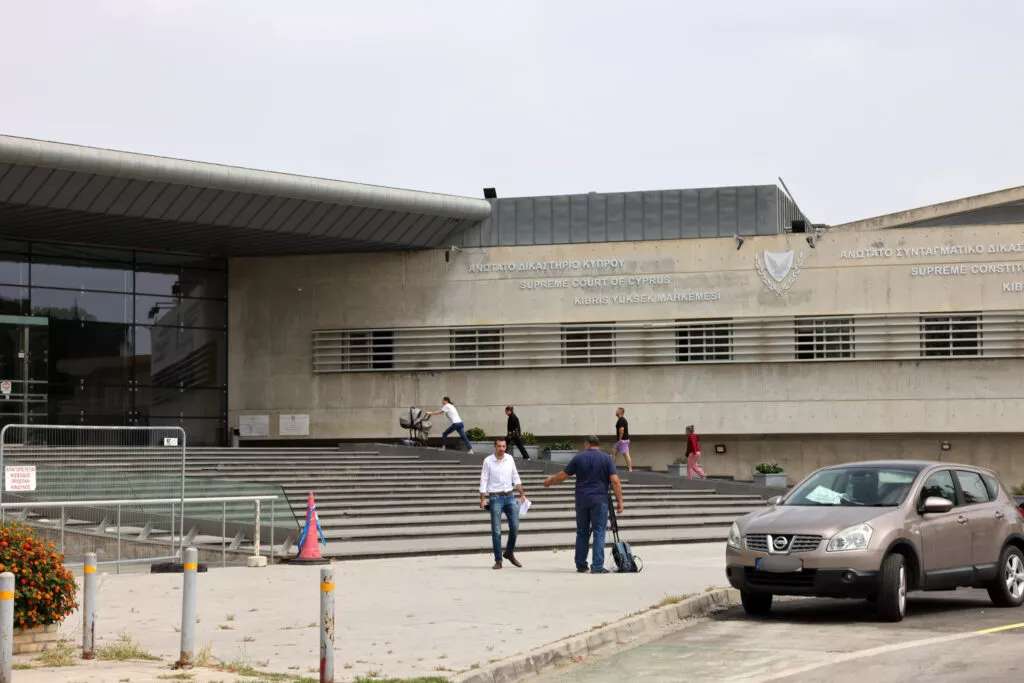
    The Cyprus Supreme Court has upheld the arrest warrant for an Azeri national, detained since June 2025, on suspicion of terrorism and espionage involving British military bases.

    • The Cyprus Supreme Court has upheld the arrest warrant for an Azeri national, detained since June 2025, on suspicion of terrorism and espionage involving British military bases.

    Azeri national: Legal Ruling on Arrest Warrant

    The Supreme Court’s decision came after an appeal was lodged by the suspect’s lawyer, Efstathios Efstathiou, challenging the validity of the warrants issued on 21 June 2025. The appeal argued that the warrants were based on unreliable intelligence and that the court had failed to apply the necessary scrutiny for information deemed anonymous or secret.

    Dismissal of the Appeal

    In its ruling, the Supreme Court dismissed the appeal, asserting that the District Court had acted within legal parameters and conducted a thorough assessment of the evidence. The court clarified that the intelligence gathered was from a “foreign collaborating service” rather than an unreliable third country, which was crucial in justifying the warrants.

    Charges Against the Suspect

    The charges against the Azeri national include conspiracy to commit a felony and various offences under the Law on Combating Terrorism. The Supreme Court highlighted that initial intelligence suggested the suspect was gathering information regarding foreign military presence and potentially organising a terrorist attack.

    Intelligence and Surveillance

    Crucially, the Supreme Court noted that the intelligence was corroborated by subsequent physical surveillance conducted by Cypriot authorities. This combination of intelligence and observation led the court to conclude that there was sufficient justification for the issuance of the warrants.

    Statements from the Court

    The Supreme Court stated, “We judge that the trial court conducted a comprehensive and correct assessment of the totality of the evidence and evaluated every relevant element to conclude that the issuance of the warrants was justified.” This assertion reinforces the court’s confidence in the legal processes followed in the case.

    International Implications

    The case highlights the complex interplay between national security and international relations, particularly concerning allegations of espionage linked to foreign entities. The involvement of the Iranian Revolutionary Guard Corps (IRGC) in the case has raised concerns about broader implications for regional security.

    Ongoing Developments

    As the case proceeds, it remains to be seen how the legal proceedings will unfold and whether further developments may arise that could impact the suspect’s status or the broader context of espionage in Cyprus.

    Community Reaction

    The case has sparked interest and concern within the local community and among legal experts, prompting discussions about the balance between civil liberties and national security. The ongoing scrutiny of intelligence practices and legal standards in such cases is likely to continue as the situation develops.

  • Paphos wildfire — Paphos Wildfire Under Control, No Need for Third-Country Aircraft

    Paphos wildfire — Paphos Wildfire Under Control, No Need for Third-Country Aircraft

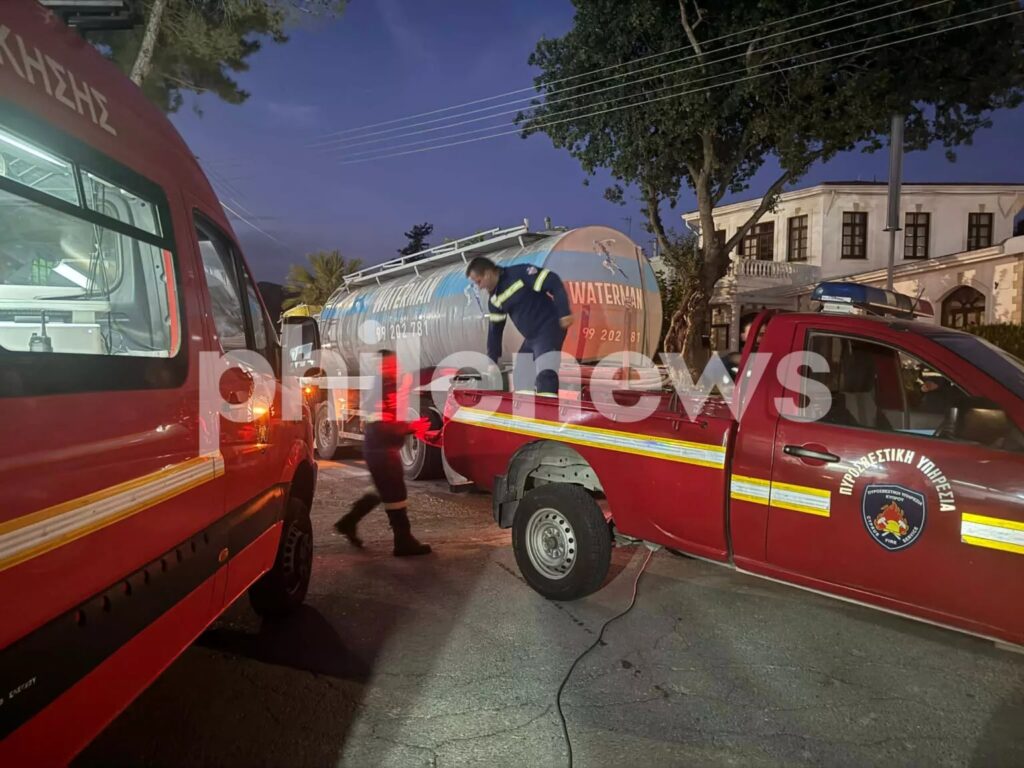
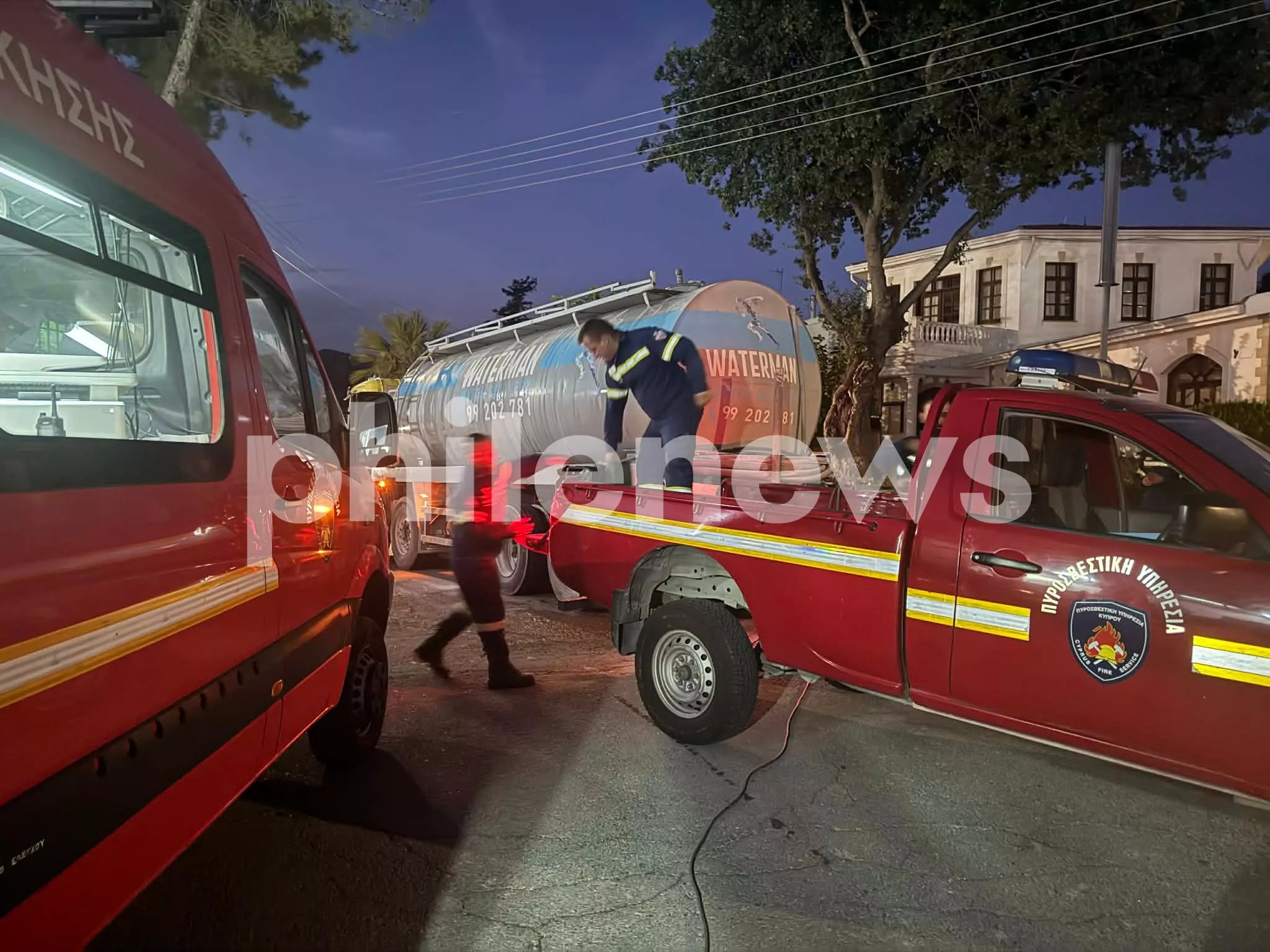
    paphos wildfire — The major wildfire in the Koili, Stroumbi and Akoursos area of Paphos district has been brought under full control, reducing the need for aircraft from third countries.

    Photo: in-cyprus.philenews.com

    • paphos wildfire — The major wildfire in the Koili, Stroumbi and Akoursos area of Paphos district has been brought under full control, reducing the need for aircraft from third countries.
    • Officials announced that, barring any unforeseen complications, there will be no requirement for additional aerial support, as the situation is now manageable.

    Officials announced that, barring any unforeseen complications, there will be no requirement for additional aerial support, as the situation is now manageable.

    Photo: in-cyprus.philenews.com

    Paphos wildfire: On-the-Ground Efforts Make Progress

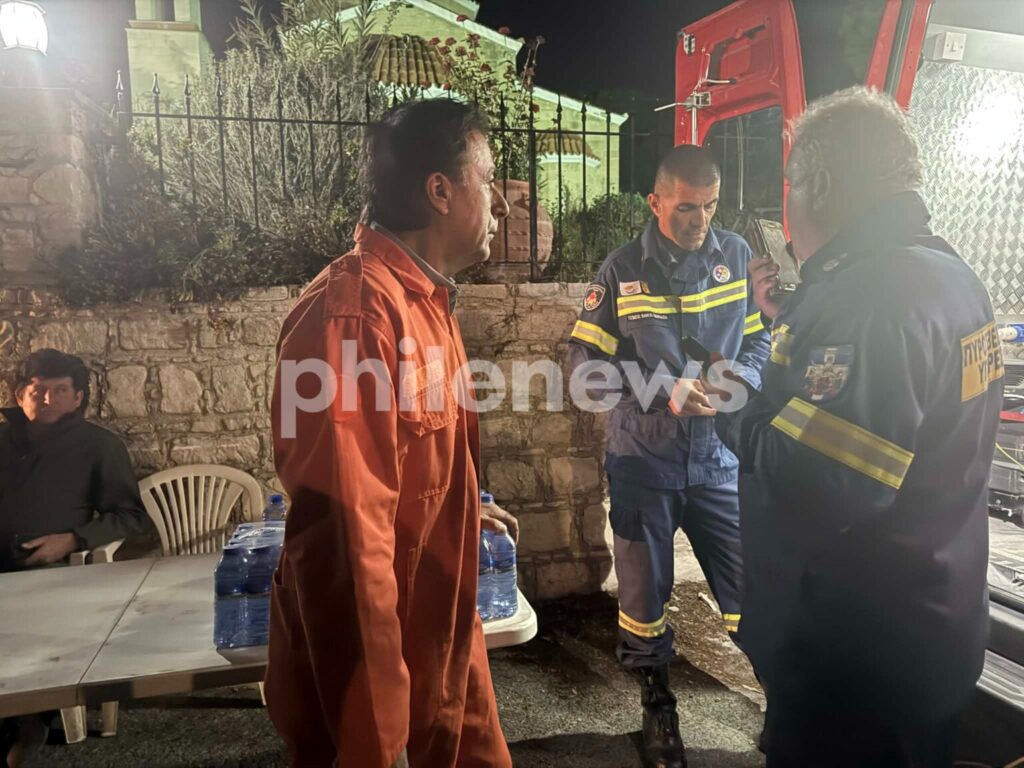
    The director general of the Ministry of Agriculture, Rural Development and Environment visited the affected areas to assess the firefighting operations. He confirmed that robust firefighting forces remained active throughout the night, tirelessly working to extinguish any remaining hotspots.

    Collaboration with Neighbouring Countries

    In light of the progress made, officials have communicated with authorities in Greece, Israel, and Jordan to update them on the situation. While the aircraft from these nations are currently on standby, the local forces are confident in their ability to manage the fire without external assistance.

    Continued Vigilance Required

    Despite the control achieved, seven bulldozers were deployed overnight to assist the firefighters in their efforts, reflecting the seriousness of the situation. The commitment of these teams highlights the ongoing vigilance required to prevent any flare-ups.

  • Wildfire — Major Wildfire Unfolds Between Koili and Stroumbi in Paphos District

    Wildfire — Major Wildfire Unfolds Between Koili and Stroumbi in Paphos District

    A major wildfire is raging in agricultural land between the communities of Koili and Stroumbi in the Paphos district. The fire erupted under unknown circumstances, but strong winds have exacerbated the situation, causing it to spread rapidly.

    Photo: in-cyprus.philenews.com

    Wildfire: Firefighting Forces Mobilised

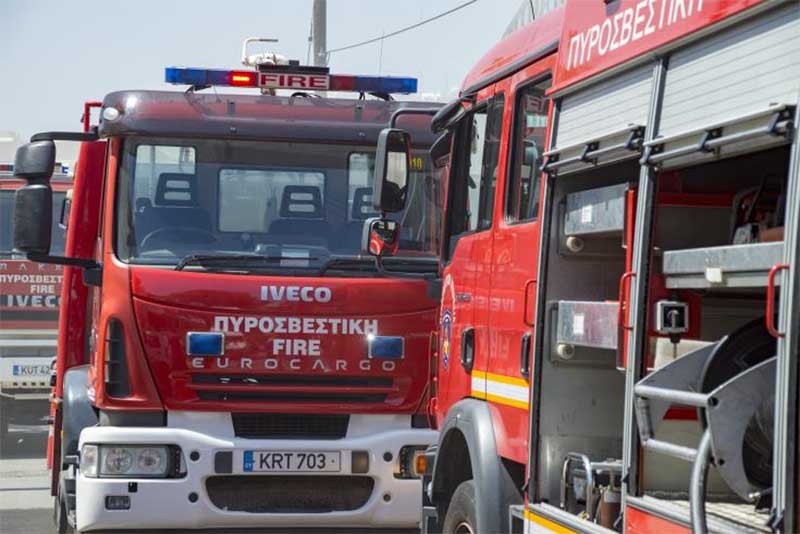
    Fire engines have been dispatched from Paphos and nearby rural stations to combat the blaze. They are joined by personnel from the Department of Forests and local community authorities, all working diligently to contain the fire’s advance.

    Photo: in-cyprus.philenews.com

    Reinforcements Arrive

    Firefighting efforts are continuously being bolstered with additional resources from various districts. Three aircraft, comprising two planes and a Civil Defence helicopter, were deployed earlier for water drops but halted operations within the last hour due to the rapidly changing conditions on the ground.

    Challenging Terrain Hinders Efforts

    The fire is primarily situated in a river gorge, presenting significant challenges for ground crews attempting to access and manage the situation. The Civil Defence and police have been alerted and are prepared for possible evacuations of both Koili and Stroumbi.

    Control Centre Established

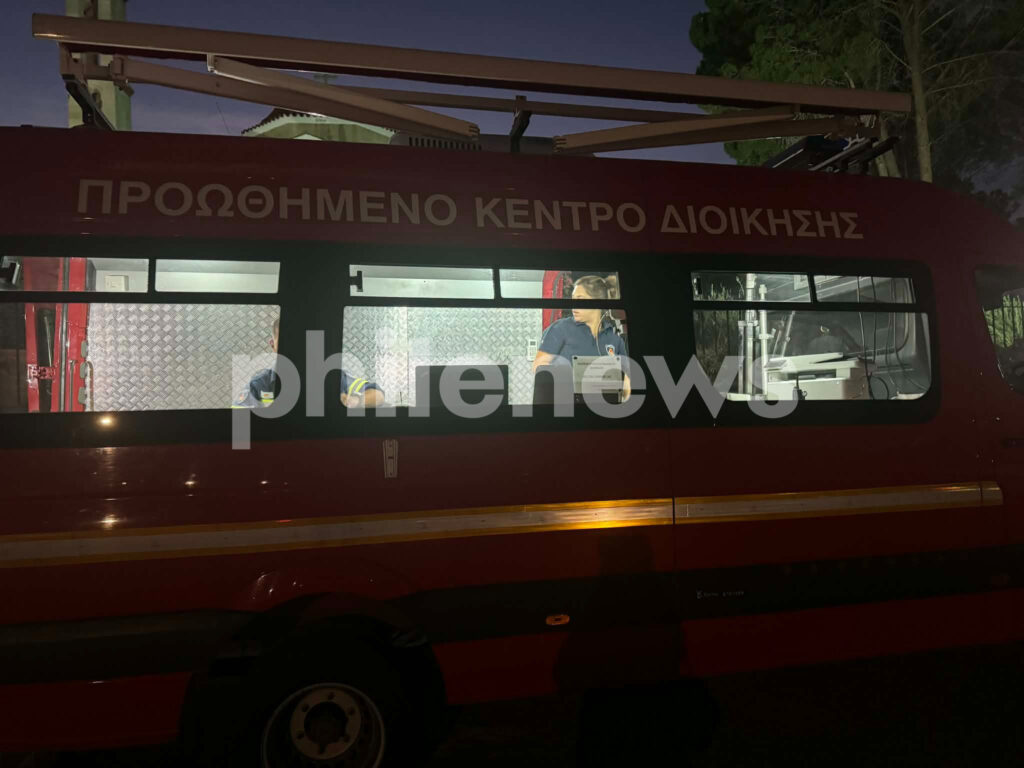
    A forward control centre has been set up in the Stroumbi community square, where various agencies, including the Fire Service, Department of Forests, Civil Defence, army, police, and other relevant services, are coordinating their efforts. According to Fire Service spokesperson Andreas Kettis, an active front has developed, with flames moving westward towards the northwest.

    Extent of the Fire

    The fire has engulfed an area measuring approximately one square kilometre, affecting dry grass, wild vegetation, and trees. Strong winds remain a significant obstacle, with a particularly intense front raging out of control between Koili and Akoursos.

    Simultaneous Fires in the Region

    In addition to the major wildfire, a smaller fire is currently reported in the Turkish Cypriot village of Pitargou, which is expected to be brought under control shortly. The situation is being monitored closely, with resources redirected as necessary.

    On-Site Assessments and Management

    Andreas Gregoriou, director general of the Agriculture Ministry, arrived at the control centre shortly after 7pm to assess the situation and determine any necessary actions. He plans to visit the fire front to evaluate the extent of the danger and to decide on further measures for the night or the coming days.

    Local Insights on the Incident

    Michalis Efthymiou, the community leader of Koili, provided insight into the firefighting efforts, stating that while bulldozers are working to combat the fire, fire engines are struggling to reach the blaze due to its location in an inaccessible area. The fire has destroyed mature cypress forests, but Efthymiou reassured that homes in both communities are not currently at risk.

    Human Factors and Unprecedented Timing

    Efthymiou speculated that human factors might have contributed to the outbreak, suggesting that it was likely initiated by someone on foot, as vehicles are unable to access that specific terrain. He noted that experiencing such fires in November is unprecedented, although today’s high temperatures have likely contributed to the fire’s rapid spread.

    Continued Monitoring and Future Actions

    The situation remains fluid, with firefighters and emergency services on high alert. As conditions evolve, further updates will be necessary to ensure the safety of the communities involved and to manage the fire effectively. The collaborative efforts of various agencies highlight the seriousness of the situation and the commitment to protecting lives and property.

  • Uncontrolled Fire Rages Near Kili, Paphos Community Leader Reports

    Uncontrolled Fire Rages Near Kili, Paphos Community Leader Reports

    uncontrolled fire — The uncontrolled fire continues to blaze between Kili and Stroumbi in the Paphos district, with local community leader Michalis Efthymiou highlighting the challenges faced by fire crews. The fire ignited around 10am and has since posed difficulties for fire trucks attempting to reach the site.

    As it stands, seven fire trucks from the Paphos district have been mobilised to tackle the flames. Fire service spokesman Andreas Kettis confirmed that additional support includes two fire engines and a specialised team from the Emak unit, which is trained to access difficult terrain. The forestry department has also dispatched one fire engine and two earthmovers, with two more earthmovers leased from the provincial administration to assist in the firefighting efforts.

    To enhance coordination, an advanced control centre has been established in Stroumbi’s central square. Kettis noted that an active fire front has reignited to the west and is advancing northwest, prompting the redirection of significant resources to contain the blaze.

    On the ground, the Limassol district fire chief is already present, while the operations director will be arriving shortly. A helicopter from the air operations unit is en route to provide aerial support, and organised volunteer groups have been enlisted to bolster extinguishing efforts. Despite these measures, Efthymiou expressed concern over the lack of available aircraft, stating that more should have been deployed to manage the situation effectively.

    Efthymiou described the devastation caused by the fire, which has ravaged many years of cypress forest. He emphasised that the fire broke out in an area so remote that it could only have been ignited by someone on foot, attributing the incident to human factors. However, he assured that the homes within both communities are not under threat.

    The Kili community leader also pointed out the unusual timing of such fires occurring in November, attributing it to abnormally high temperatures experienced on that day. The situation remains dynamic, and local officials are working tirelessly to combat the flames and safeguard the surrounding areas.

  • Uncertainty Surrounds Great Sea Interconnector Cost and Future

    Uncertainty Surrounds Great Sea Interconnector Cost and Future

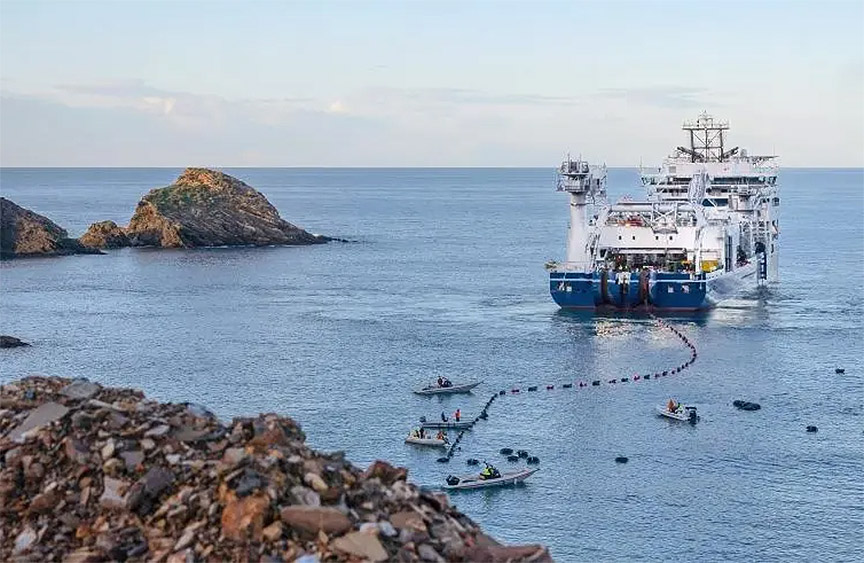
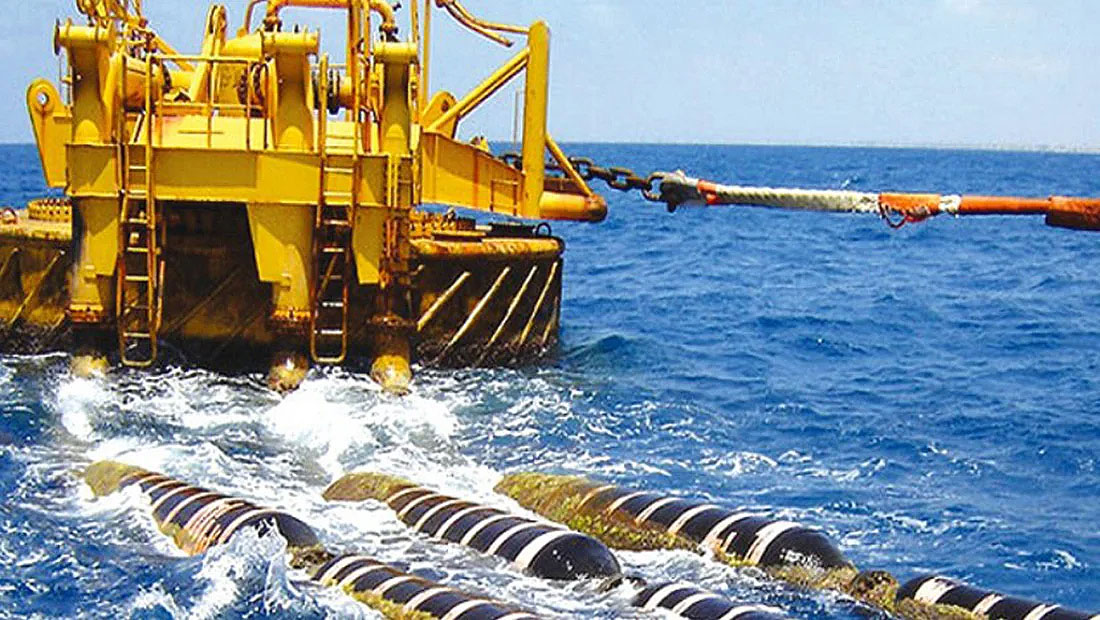
    The Great Sea Interconnector’s future is shrouded in uncertainty as discussions about its cost intensify. Recent talks in Athens led to an agreement to ‘update the techno-economic’ parameters, a move interpreted by many as indicative of stalled progress on the project. While some view this as a necessary step forward, others see it as a sign that the interconnector is struggling to gain momentum.

    Photo: cyprus-mail.com

    Great sea: Debate Over Project Viability

    Opinions on the interconnector diverge sharply. Critics argue that the announcement of a new feasibility study suggests a fundamental reassessment of the project. The GSI, which aims to connect the electricity grids of Cyprus and Greece via a subsea cable, currently faces a significant funding gap, estimated to be around €1 billion. Those sceptical of the project highlight that the necessity of further studies indicates a lack of confidence in its financial viability.

    Photo: cyprus-mail.com

    Funding Challenges

    Despite optimistic claims from Admie, Greece’s independent transmission operator and the project’s promoter, evidence of substantial investment interest remains elusive. Claims that the United States International Development Finance Corporation is considering involvement lack concrete backing. Currently, Admie has capital estimated between €250 million and €300 million and has also secured €650 million in grants from the European Commission. However, the projected cost of the interconnector stands at approximately €1.9 billion, leaving a significant funding shortfall.

    Government Statements and Investor Interest

    Following the Athens summit, Greek Energy Minister Stavros Papastavrou asserted that genuine interest from American investors exists. He stated, “Interest has been exhibited from the Americans, from American companies. We are in an exploratory phase. The Americans, as well as anyone else desiring to invest in a long-term project, they want the numbers, they want the data to understand the what, the how, and the where.”

    This perspective suggests that the feasibility study’s purpose is to provide clarity on costs, which will be critical for attracting potential investors. The study aims to determine whether the project can yield a healthy return on investment and if financial institutions will be willing to back it.

    Concerns Amidst Optimism

    However, sceptics raise valid concerns about the potential ramifications of the feasibility study. They question what would occur if the findings indicate that the interconnector is not financially viable. Would the governments of Cyprus and Greece proceed with a project deemed unfeasible? This uncertainty complicates the already precarious situation surrounding the GSI.

    Further complicating matters, the Turkish navy has deployed gunships to halt depth surveys required for the subsea cable, raising questions about the project’s feasibility if these critical surveys cannot be completed. A source familiar with the situation revealed that there is currently no clear understanding of the GSI’s total cost, contradicting positive outlooks from some officials.

    Historical Context and Previous Studies

    The interconnector project has a complicated history. Initially undertaken by EuroAsia Interconnector Ltd., the project was passed to Admie in October 2023. The Cypriot finance ministry previously submitted a cost-benefit analysis to the European Investment Bank (EIB) when EuroAsia was still involved, seeking an opinion rather than a loan application. The EIB’s recommendation advised Cyprus to invest in energy storage solutions instead.

    Admie later engaged the same consultancy that evaluated EuroAsia’s analysis to perform a second cost-benefit study, which indicated a more favourable outcome for the interconnector, albeit based on several optimistic assumptions.

    Political Perspectives and Future Prospects

    In light of the uncertainty, some remain steadfast in their belief that the GSI is essential for Cyprus’s energy security. Pavlos Liasides, who formulates energy policy for the Disy party, stated, “The GSI is a project that must be done, and will be done. It cannot be otherwise.” Liasides emphasised the interconnector’s significance in the broader context of regional energy needs, connecting Cyprus to the Middle East and Europe.

    He also highlighted the geopolitical implications of the project, noting that plans for interconnectors have been influenced by various international stakeholders, excluding certain nations, including Turkey. This exclusion adds a layer of complexity to the project’s implementation.

    Cost Implications for Consumers

    Addressing concerns about the project’s costs, Liasides pointed out that even if the GSI were to be completed without being utilised, the financial impact on consumers would be minimal, estimating an increase of only €15 per year on their bills over 25 to 30 years.

    Future Collaboration Between Cyprus and Greece

    Despite any perceived tensions between Cyprus and Greece regarding the interconnector, Liasides expressed confidence in the collaboration between the two nations. He noted the leaders’ public commitment to the project during their recent meeting in Athens, suggesting that both governments remain aligned in their objectives.

    As discussions continue, Liasides cautioned against inflammatory rhetoric that could undermine their efforts. He stated, “The GSI has adversaries; they are out there, lurking to poison relations between us and the Greek government. We mustn’t give them any ammunition.” This sentiment underscores the delicate balance that both countries must maintain as they navigate the complexities surrounding the Great Sea Interconnector.