Blog

  • UK High Commissioner Highlights Cyprus as Key Regional Partner

    UK High Commissioner Highlights Cyprus as Key Regional Partner

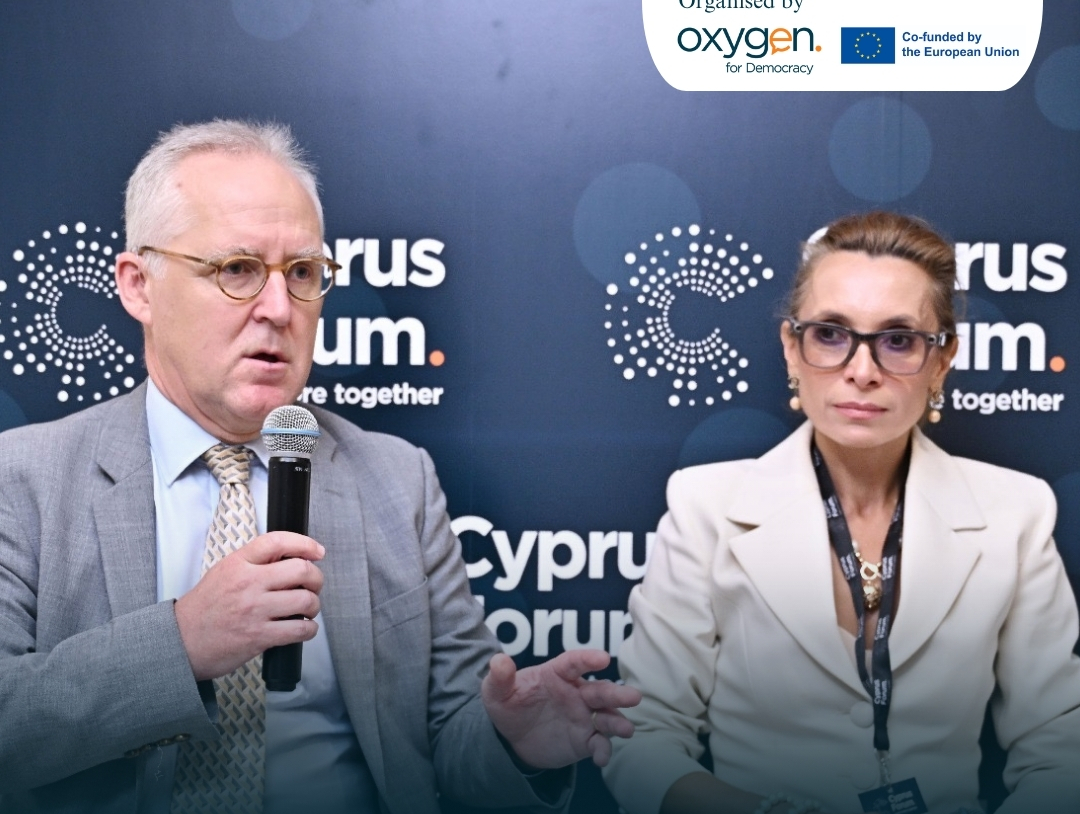
    The United Kingdom regards Cyprus as a significant regional partner due to its robust relationships across the Eastern Mediterranean, British High Commissioner Michael Tatham stated during his address at the Cyprus Forum 2025.

    Tatham expressed the UK’s appreciation for Cyprus’s positive connections with both Israel and its Arab neighbours, calling the island nation “a very important partner for our diplomacy.” His remarks underline the strategic importance of Cyprus in a region that has faced considerable instability in recent years.

    Emphasising the Eastern Mediterranean’s political, economic, and energy significance, Tatham remarked on the potential for the area to transition from instability to stability. He stated, “So when we talk about the change we would like to see, as the United Kingdom, it is a shift from instability to stability, a shift that allows us to do more to explore opportunities in the region instead of constantly addressing problems and challenges.”

    In outlining the UK’s priorities for the region, Tatham highlighted two critical areas of focus: Gaza and Syria. With regard to Gaza, he articulated the urgent need for a ceasefire, the release of hostages, and the flow of humanitarian aid. “We welcome the recent US plan, which we hope can offer a pathway towards these goals. In the long term, we believe lasting stability requires a political path towards a two-state solution,” he added.

    Turning to Syria, Tatham conveyed optimism about embedding stability in the country. He stated, “I think we now have the opportunity to embed stability in Syria. Therefore, we warmly support this goal and an inclusive political transition in Syria.”

    The UK’s commitment to fostering stability in the Eastern Mediterranean aligns with its broader diplomatic objectives, as the region’s stability is crucial not only for its own interests but also for the security of Europe and its neighbouring regions.

  • Clear Weather Expected Across Cyprus This Weekend

    Clear Weather Expected Across Cyprus This Weekend

    Cyprus will enjoy mostly clear weather this Friday and throughout the weekend, with some afternoon cloud cover potentially leading to isolated showers in the mountainous regions.

    • Cyprus will enjoy mostly clear weather this Friday and throughout the weekend, with some afternoon cloud cover potentially leading to isolated showers in the mountainous regions.

    Clear weather: Weekend Forecast Brings Sunshine and Showers

    The meteorological forecast indicates that while the majority of the skies will be clear, the afternoons may see increased cloud formation. These clouds could bring brief, scattered showers, primarily affecting the higher altitudes.

    Temperature Trends and Coastal Conditions

    Temperatures across Cyprus are expected to reach 33 degrees Celsius inland, with coastal areas seeing around 30 degrees, and the mountainous regions remaining cooler at about 24 degrees. The sea conditions will be generally smooth to slight, making it a pleasant time for coastal activities.

    Wind Patterns Shifting Throughout the Weekend

    Initially, winds will be variable and light, measured at force three on the Beaufort scale. As the weekend progresses, they are likely to shift to a mainly north-easterly to south-easterly direction, becoming light to moderate at force three to four Beaufort.

    Consistent Weather into Next Week

    Looking ahead to Monday, the weather is expected to remain predominantly clear throughout the day, with temperatures holding steady at levels slightly above the seasonal averages for this time of year. This provides a consistent pattern of warm weather for residents and visitors alike.

  • Cyprus Embraces Competitive Electricity Market for Citizens and Businesses

    Cyprus Embraces Competitive Electricity Market for Citizens and Businesses

    electricity market — For the first time, citizens and businesses in Cyprus can choose their electricity supplier, marking a significant shift in the country’s energy landscape. Government spokesman Konstantinos Letymbiotis announced the opening of the long-awaited competitive energy market on Thursday during a press briefing at the presidential palace.

    Letymbiotis described this initiative as “a new page in the energy course of our country”, with nine energy producers now vying for the attention of consumers. As of Wednesday, individuals and enterprises can explore a competitive environment to select their preferred electricity provider.

    Electricity market: A Shift Towards EU Standards

    The new market structure follows the European Union’s target model, which Letymbiotis explained is akin to an energy exchange. He stated that this model introduces much-needed transparency, reliability, and rules similar to those in most EU nations. Prices will be determined through forward, day-ahead, and real-time balancing mechanisms designed to keep costs fair for consumers.

    In his remarks, Letymbiotis acknowledged that these reforms should have been implemented in 2021. He reflected on the past, noting that Cyprus had been stuck in a transitional period plagued by delays that ultimately harmed consumers and the nation’s energy strategy. “Through persistent preparation, we have now made reality what for years remained on paper,” he asserted.

    Empowering Consumers and Businesses

    The benefits of the competitive market are expected to be profound for consumers. They will now have the opportunity to compare prices, select suppliers that best meet their needs, and even access green energy products. From January 2026, changing suppliers will take just 24 hours, free of charge, ensuring full transparency throughout the process.

    Businesses, too, stand to gain from this competitive landscape. Letymbiotis highlighted that the ability to negotiate with multiple suppliers could lead to better pricing and tailored solutions, ultimately helping to reduce operating costs. He also pointed to the potential for participation in energy-saving and renewable programmes to bolster competitiveness.

    However, he tempered expectations, noting that immediate price reductions may not materialise. He drew a parallel to the telecoms market, where increased competition eventually led to improved efficiency and competitiveness. He believes the same will happen with the Electricity Authority of Cyprus (EAC).

    Concerns from Opposition

    Not everyone shares the government’s optimistic outlook. The opposition party Akel voiced concerns regarding the timing and execution of the market launch. They pointed out that the delays allowed certain private renewable producers to reap excess profits, raising questions about whether this new market structure will genuinely bring down electricity costs for households and businesses.

    Akel stated, “The critical question is whether this market, as designed, will bring about real reductions in electricity costs for households and businesses. So far, the government has not given a clear answer.” They echoed the European Union’s apprehensions, warning that the current model might keep consumers locked into high prices.

    In its criticism, the party argued that any substantial relief would only come with the introduction of natural gas for power generation, increased integration of renewables into the EAC’s energy mix, improved storage solutions, energy-saving initiatives, and tax reductions. They accused the government of falling short on these fronts.

    A Vision for the Future

    In response to the opposition’s concerns, Letymbiotis reiterated that the reforms are part of a broader strategy aimed at enhancing sustainability and energy security for Cyprus. He emphasised that alongside the new competitive market, the government plans to incorporate more renewable energy sources, improve storage capabilities, and upgrade the energy network.

    He firmly believes that these combined efforts will ultimately lead to reduced costs and stronger energy security. Letymbiotis concluded, “This policy will reduce costs, strengthen sustainability and ensure energy security for Cyprus.” As the competitive electricity market unfolds, its true impact on consumers and the broader economy remains to be seen.

  • Gandhi s: Gandhi’s Teachings Inspire Cyprus Leaders at Commemorative Ceremony

    Gandhi s: Gandhi’s Teachings Inspire Cyprus Leaders at Commemorative Ceremony

    gandhi s — gandhi s — Mahatma Gandhi’s teachings on peaceful resistance and non-violence remain a source of inspiration, House president Annita Demetriou said on Thursday during a ceremony honouring his bust near the House of Representatives building.

    The event, organised by the High Commissioner of India to Cyprus, Shri Manish, was held to mark the 156th anniversary of Gandhi’s birth, which is celebrated annually on 2 October. This date is also recognised by the United Nations General Assembly as the International Day of Non-violence, paying tribute to Gandhi’s legacy.

    During her speech, Demetriou described Gandhi’s teachings as “a guiding beacon for unity and joining forces to defend common values and principles, address multiple contemporary challenges and build a more peaceful world.” She emphasised the importance of applying these principles in today’s society as a means of fostering collaboration and understanding.

    Demetriou also highlighted the historical ties and growing cooperation between Cyprus and India across various fields of mutual interest. She announced her upcoming official visit to India next November, accompanied by a cross-party delegation. This visit is anticipated to further strengthen parliamentary exchanges and collaboration between the two countries.

    As attendees reflected on Gandhi’s influence, it became clear that his ideals continue to resonate, encouraging leaders and citizens alike to pursue peace and solidarity in the face of global challenges.

  • History Teachers Explore New Neolithic Settlement Site ‘Nisia’

    History Teachers Explore New Neolithic Settlement Site ‘Nisia’

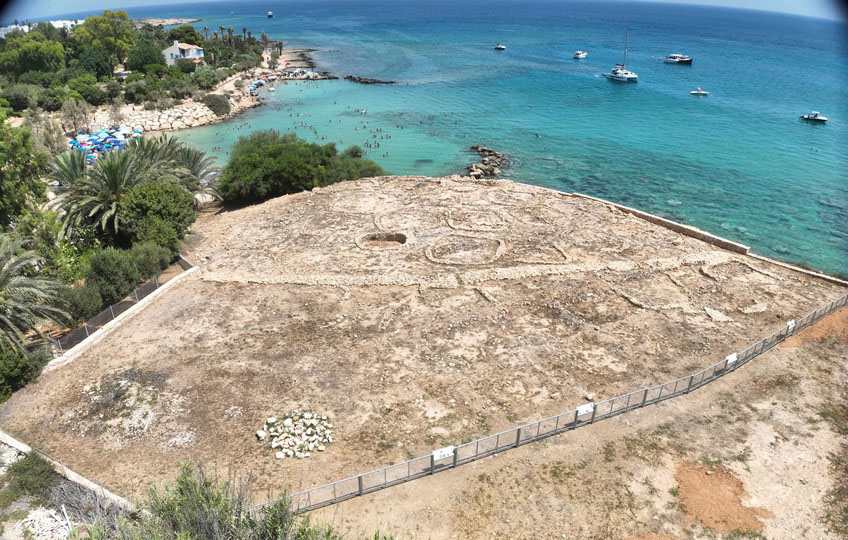
    More than 100 secondary school history teachers toured the newly opened Neolithic settlement site “Nisia” near Protaras in Paralimni-Dherynia on Saturday, enhancing their professional training.

    • More than 100 secondary school history teachers toured the newly opened Neolithic settlement site “Nisia” near Protaras in Paralimni-Dherynia on Saturday, enhancing their professional training.

    The event, organised by the secondary education history curriculum team of the education ministry in collaboration with the department of antiquities and local schools, provided 105 educators with an opportunity to explore the site excavated on a hill overlooking Vyzakia beach. This location features informational displays with visual materials that vividly illustrate life in the Neolithic village and highlight recent archaeological discoveries.

    The tour was led by Dr Anna Satraki, an officer from the department of antiquities. Following the exploration, participants engaged in a discussion and presentation at Paralimni lyceum, which focused on new archaeological data related to excavations, museums, and upcoming exhibition spaces. Special mention was made of a new archaeological museum planned for construction in Nicosia.

    Mayor Giorgos Nikolettou of Paralimni-Dherynia attended the event and praised the collaboration between the ministry, the antiquities department, and the history curriculum team. He reiterated the municipality’s commitment to promoting the region’s rich heritage sites.

    The organising committee comprised notable members of the inspectorate for philological subjects including Dr Antonia Loizou, Dr Angelos Chrysostomou, and history advisors like Dr Panagiotis Proikakis, Mrs Andri Charalambous Zeniou, Dr Panagiotis Tofis, and Dr Andriani Georgiou, all contributing to the success of this educational initiative.

  • Online scam — Paphos Pensioner Loses €64,000 in Online Scam

    Online scam — Paphos Pensioner Loses €64,000 in Online Scam

    A 78-year-old man in Paphos has become a victim of an online scam, losing over €64,000. The incident, reported to police on Wednesday, highlights the dangers of engaging with unknown individuals on social media.

    Online scam: How the Scam Unfolded

    The victim received a friend request in August from an unknown person on a social media platform, which he accepted. This seemingly innocent act led to a series of communications that would ultimately cost him a significant amount of money.

    Manipulative Communication

    During their conversation, the scammer employed various tactics to persuade the pensioner to transfer money. The details of these communications remain unclear, but they were convincing enough to lead the man to comply with the requests.

    Financial Losses and Transfers

    By September, the situation escalated as the victim transferred more than €64,000 through bank transactions. This money was sent to 16 different accounts located in several countries, demonstrating the complexity and reach of the scam.

    Police Warning

    In light of this fraudulent case, the police have reiterated their warnings about the risks associated with online interactions. They urge individuals to be cautious and to refrain from sending money or sharing personal information with unverified contacts. The advice serves as a critical reminder during a time when online scams are increasingly prevalent.

  • Bird strike — Boeing 737 on Cardiff to Paphos Route Diverts to Birmingham After Bird Strike

    Bird strike — Boeing 737 on Cardiff to Paphos Route Diverts to Birmingham After Bird Strike

    A Boeing 737 aircraft flying from Cardiff to Paphos was forced to make an emergency landing in Birmingham after experiencing a bird strike shortly after takeoff. The incident occurred on Sunday evening, causing the aircraft to divert for safety reasons.

    Bird strike: Flight Path and Emergency Landing

    Shortly after leaving Cardiff Airport, the aircraft climbed to approximately 3,000 feet. As it flew over Swansea Bay, the pilots reported the bird strike and made the decision to circle the area before redirecting to Birmingham. The plane landed safely at Birmingham Airport, where fire engines and emergency response teams were on standby.

    Passenger Experience and Safety Protocols

    Fortunately, the landing was executed without incident, and passengers were able to disembark safely. A spokesperson for the airline reassured that no engine damage was sustained, emphasising that the diversion was a precautionary measure in line with standard operating procedures.

    Official Comments on the Incident

    A representative from Birmingham Airport stated that their fire service had followed established protocols to ensure the safety of everyone onboard during the emergency landing. Meanwhile, a source from Hermes Airports, which manages Cyprus airports, confirmed the details of the incident, stating that the flight was redirected due to the bird strike shortly after departure.

    Arrangements for Affected Passengers

    In light of the diversion, the airline made arrangements for passengers to continue their journey to Cyprus on alternative flights, as the affected Boeing 737 remained in Birmingham for further checks and evaluation. The swift response and adherence to safety protocols ensured that the situation was managed effectively, allowing passengers to reach their destination with minimal disruption.

  • Police Investigate Attempted Murder of Ukrainian Businessman in Limassol Hotel Shooting

    Police Investigate Attempted Murder of Ukrainian Businessman in Limassol Hotel Shooting

    Limassol Police are investigating the attempted murder of a 42-year-old Ukrainian businessman, who was shot outside a seafront hotel in Limassol on Monday evening.

    • Limassol Police are investigating the attempted murder of a 42-year-old Ukrainian businessman, who was shot outside a seafront hotel in Limassol on Monday evening.
    • The victim, who frequently travels abroad, is currently receiving treatment at Limassol General Hospital. He underwent surgery and is reported to be in stable condition and out of danger.

    The incident occurred around 7 pm when the victim was leaving the hotel with friends. Tensions escalated outside the hotel reception area, leading to a physical altercation. Sources indicate that the businessman struck one of the assailants before the attacker drew a weapon and shot him in the abdomen at close range. This moment was captured on CCTV, providing crucial evidence for the ongoing investigation.

    Despite witness statements and security footage, the motive behind the shooting remains elusive. Authorities are exploring possible financial disputes as a motive, but no definitive leads have emerged. The investigation is complicated by the lack of cooperation from witnesses, with friends of the victim providing limited information regarding the incident.

    Following the shooting, the suspects fled in a luxury vehicle, which was later found abandoned on the Zygi coastal road. Police believe that the assailants may have escaped to the northern occupied areas of Cyprus. Arrest warrants have been issued for two suspects, aged 44 and 39, who are of Russian and Greek descent. The older suspect also possesses Cypriot identity documents and has a history of involvement in various criminal cases.

    The victim, who frequently travels abroad, is currently receiving treatment at Limassol General Hospital. He underwent surgery and is reported to be in stable condition and out of danger.

    As the investigation continues, Limassol CID has informed checkpoints and the Bicommunal Technical Committee about the suspects’ possible escape routes. The police are urging anyone with information to come forward to assist in resolving the case.

  • Cyprus Water Management at Breaking Point After Years of Neglect

    Cyprus Water Management at Breaking Point After Years of Neglect

    Water management: Long-Standing Issues Persist

    Cyprus’s water management is at breaking point, with many problems highlighted in a 2016 audit remaining unresolved nearly a decade later. A recent report from the Audit Office has raised alarms about the delays and inadequacies that threaten the sustainable use of the island’s water resources. As climate change intensifies and water scarcity becomes a pressing issue, the findings underscore the urgent need for reform.

    • Concerns also arise from the absence of marker buoys for underwater pipes used for brine discharge or water transport, which poses risks for passing vessels and coastal activities.

    Audit Findings Raise Serious Concerns

    The follow-up audit conducted by the Water Development Department uncovered various issues with the management of water resources. Auditor General Andreas Papaconstantinou emphasised that the situation is critical, noting, “the prolonged period of drought our country is experiencing provides an opportunity for the best possible preparation and taking of measures, for example maintenance of dams.”

    The report pointed to administrative weaknesses, project delays, dam safety challenges, significant water loss, poor aquifer conditions, and inadequacies in water quality management as ongoing failures that require immediate attention.

    Stalled Water Projects and Financial Oversight

    Out of 60 planned water projects outlined in the 15-year Water Development Plan (2016-2030), only 14 have been completed. With €767 million allocated from the state budget, the lack of adequate monitoring raises questions about the sufficiency of funding and whether additional resources are needed. The delayed submission of the River Basin Management Plan and Flood Risk Management Plan to the European Commission has also led to a reasoned opinion for violating European legislation.

    Ageing Dams and Safety Risks

    Cyprus operates 104 large dams, 56 of which are registered with the International Commission on Large Dams (ICOLD). Many of these facilities are ageing and lack comprehensive maintenance plans and safety certificates. Alarmingly, there has been no independent inspection of large dams, and not a single final certificate has been issued for private dams. Most dams have exceeded their designed lifespan without ensuring compliance with reservoir safety regulations.

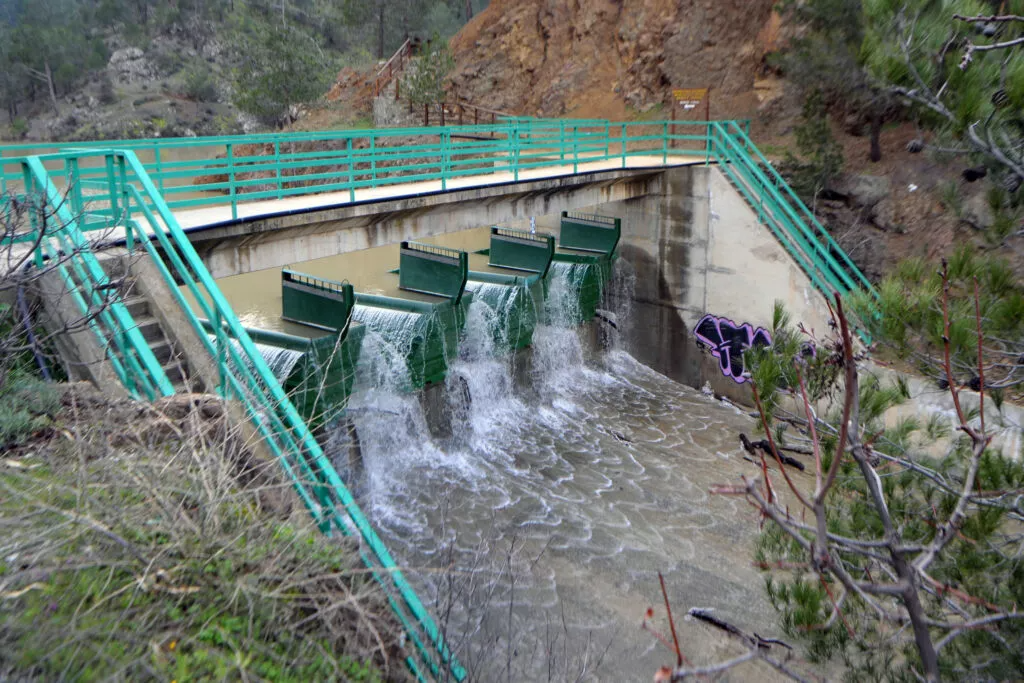
    The audit highlights the absence of operation and maintenance manuals for all dams and the failure to conduct timely inspections by independent engineers. It also stresses the importance of preparing inundation maps in case of dam failure, particularly for those near populated areas such as Kouris Dam. In January 2025, a leak at Mavrokolymbos Dam, caused by pipe failure, exposed critical issues regarding accessibility and preventative maintenance.

    Environmental Concerns from Desalination Plants

    Desalination plants have been pivotal in meeting Cyprus’s water supply needs, but the report raises serious concerns about their environmental impact and the economic burden on consumers. The brine produced by these plants is discharged into the sea, affecting marine vegetation near discharge points at the Larnaca and Dhekelia plants. As of the audit date, only two plants had secured necessary waste discharge permits.

    Additionally, the corrosive properties of desalinated water have led to significant issues for pipework and household installations, including water heaters. The report suggests interventions such as enriching desalinated water with calcium or carbon dioxide to alleviate these problems.

    Concerns also arise from the absence of marker buoys for underwater pipes used for brine discharge or water transport, which poses risks for passing vessels and coastal activities.

    Critical State of Aquifers

    Cyprus’s aquifers are in critical condition, with approximately 64% classified as chemically compromised. The primary causes include nitrate pollution, salinisation, and inadequate controls, making it challenging to estimate available water quantities and undermining effective planning.

    Widespread Water Loss

    Water loss remains a significant issue, with unaccounted-for water rates in Local Water Boards reaching or exceeding 29%. Total water losses across Cyprus are estimated to exceed 200 million cubic metres annually, largely due to ageing infrastructure. Most Local Water Boards do not conduct systematic monitoring of drinking water quality, and only 26% of boreholes have designated Protection Zones.

    Need for Stronger Institutional Framework

    The Advisory Committee for Water Management meets infrequently, only once or twice a year, and has not provided substantial guidance to Local Water Boards despite suggestions for a more active role since 2016. The Audit Office calls for strengthening the institutional framework through clear strategic planning, effective resource allocation, and better coordination among authorities.

  • Finance Minister Keravnos Raises Concerns Over Great Sea Interconnector Funding

    Finance Minister Keravnos Raises Concerns Over Great Sea Interconnector Funding

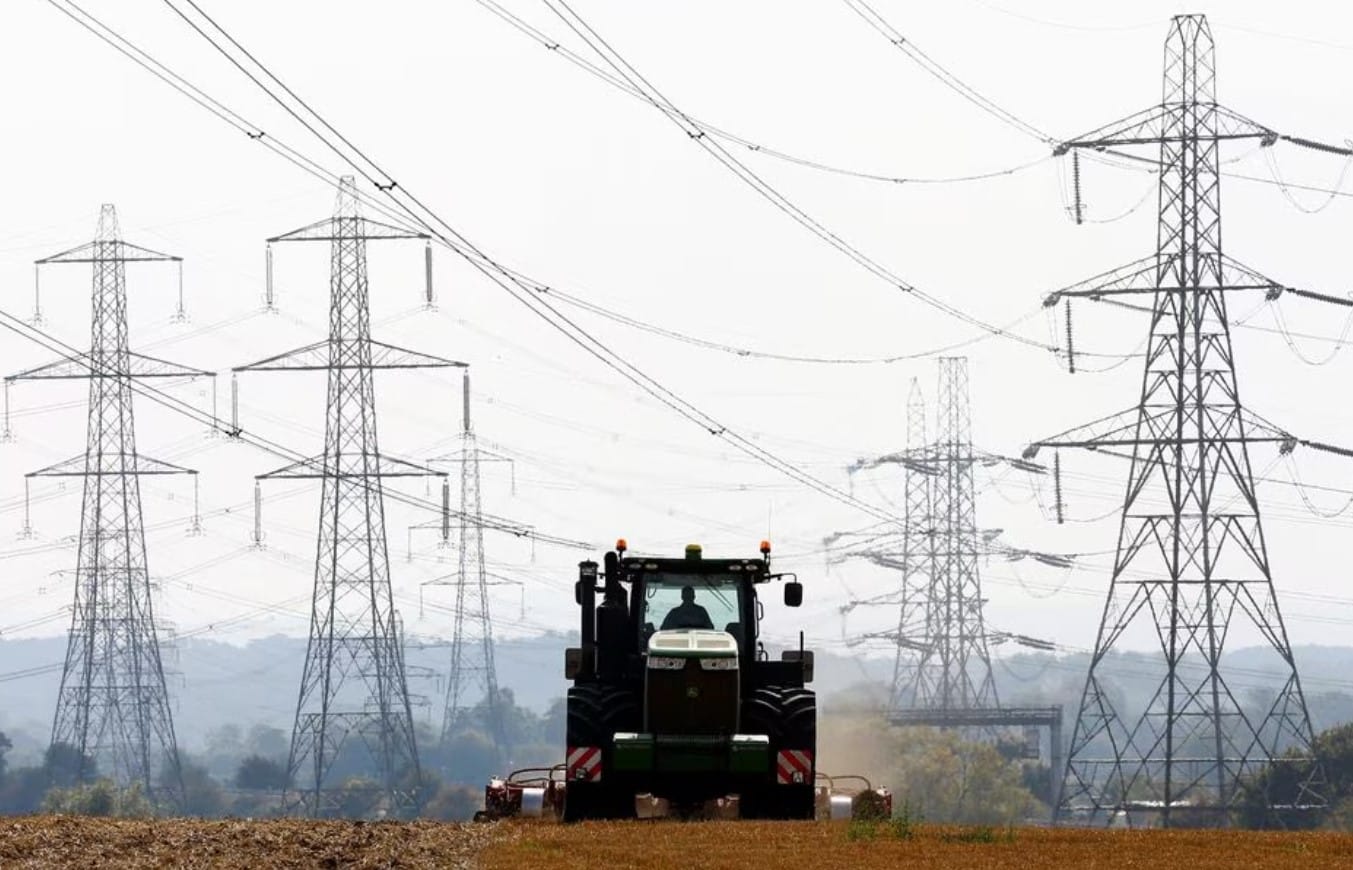
    great sea — Finance Minister Makis Keravnos has voiced significant concerns regarding the funding of the Great Sea Interconnector (GSI) project, citing potential financial risks associated with its implementation. In remarks made following a meeting of the Council of Ministers on Monday, where the 2026 state budget was under consideration, Keravnos highlighted findings from various studies suggesting that the GSI may not be financially sustainable.

    Keravnos stated, “I still think this issue is under discussion. If we pay the money, there is a risk. As I have said, studies suggest that the project is not viable.” His comments reflect a consistent apprehension regarding the project’s feasibility, a sentiment he has expressed on multiple occasions.

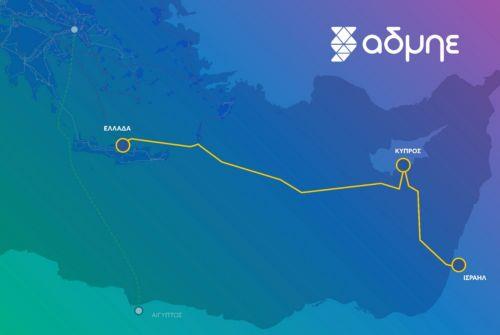
    The GSI aims to connect the energy grids of Cyprus, Greece, and Israel, representing a significant step towards regional energy integration. However, the project has faced various challenges, leading to the Cypriot government withholding €25 million requested by Greece’s independent transmission system operator, Admie, to assist with its funding.

    During the budget preparations, Keravnos mentioned that both internal and external risks had been evaluated, with the GSI identified as a notable concern. He emphasised the uncertainty surrounding the final cost of the project, which adds another layer of complexity to funding decisions.

    In a related matter, the Minister addressed the European Commission’s demand for the return of €67 million related to the Vasiliko liquefied natural gas (LNG) terminal, which was never completed. Keravnos assured that the government is actively managing this issue, hinting at potential offsets with future funds. “We are not giving up, we are fighting,” he asserted, indicating a commitment to navigating the financial challenges ahead.

    When pressed by journalists about the possibility of negotiating the demanded amount, Keravnos firmly stated that the figure was not negotiable under any circumstances, reaffirming the government’s position on the matter.