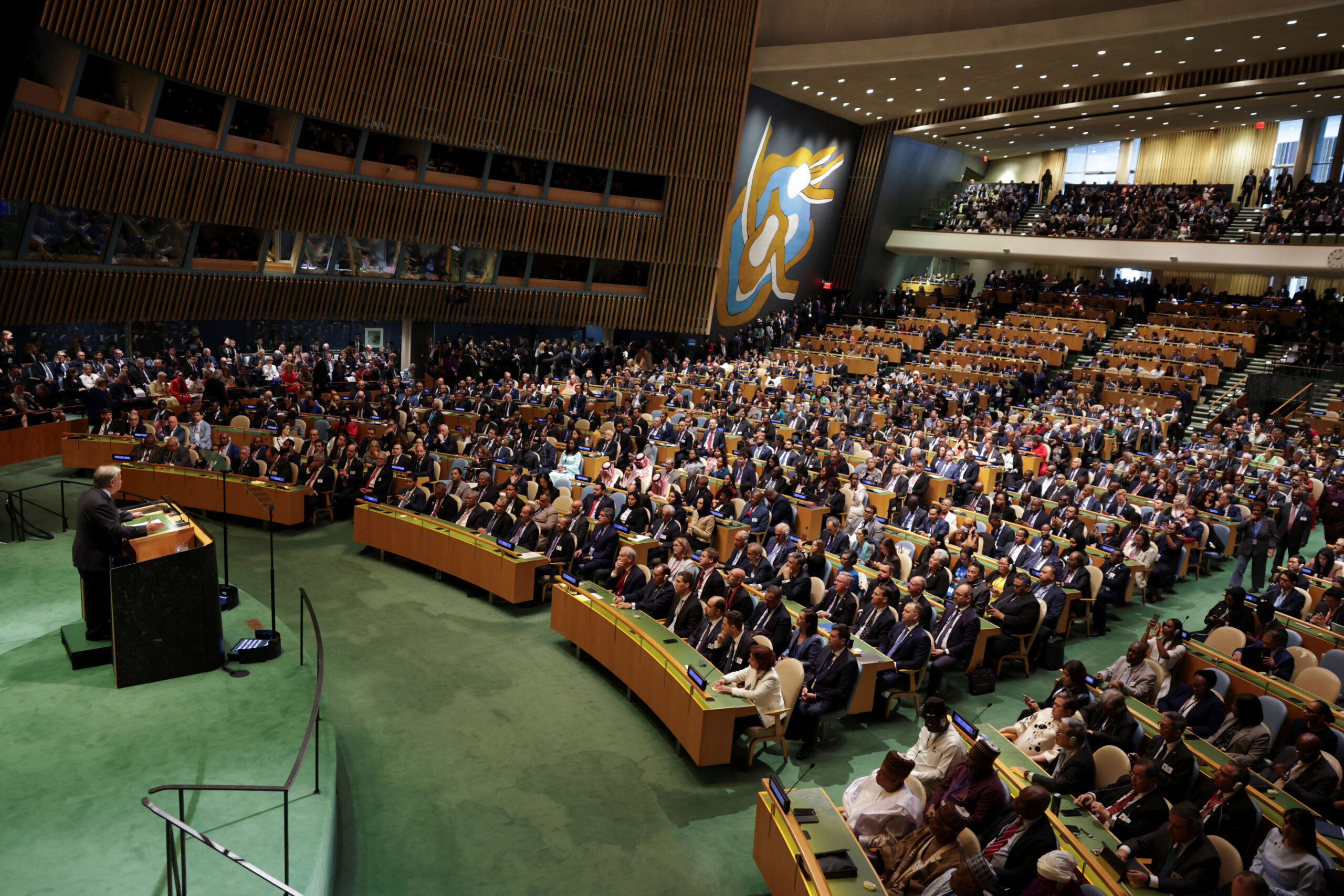
The question of whether a law can bring about change is particularly pertinent in the context of the climate crisis, which has become an undeniable reality. Its impacts are severe and far-reaching, affecting health, environment, and social structures globally.
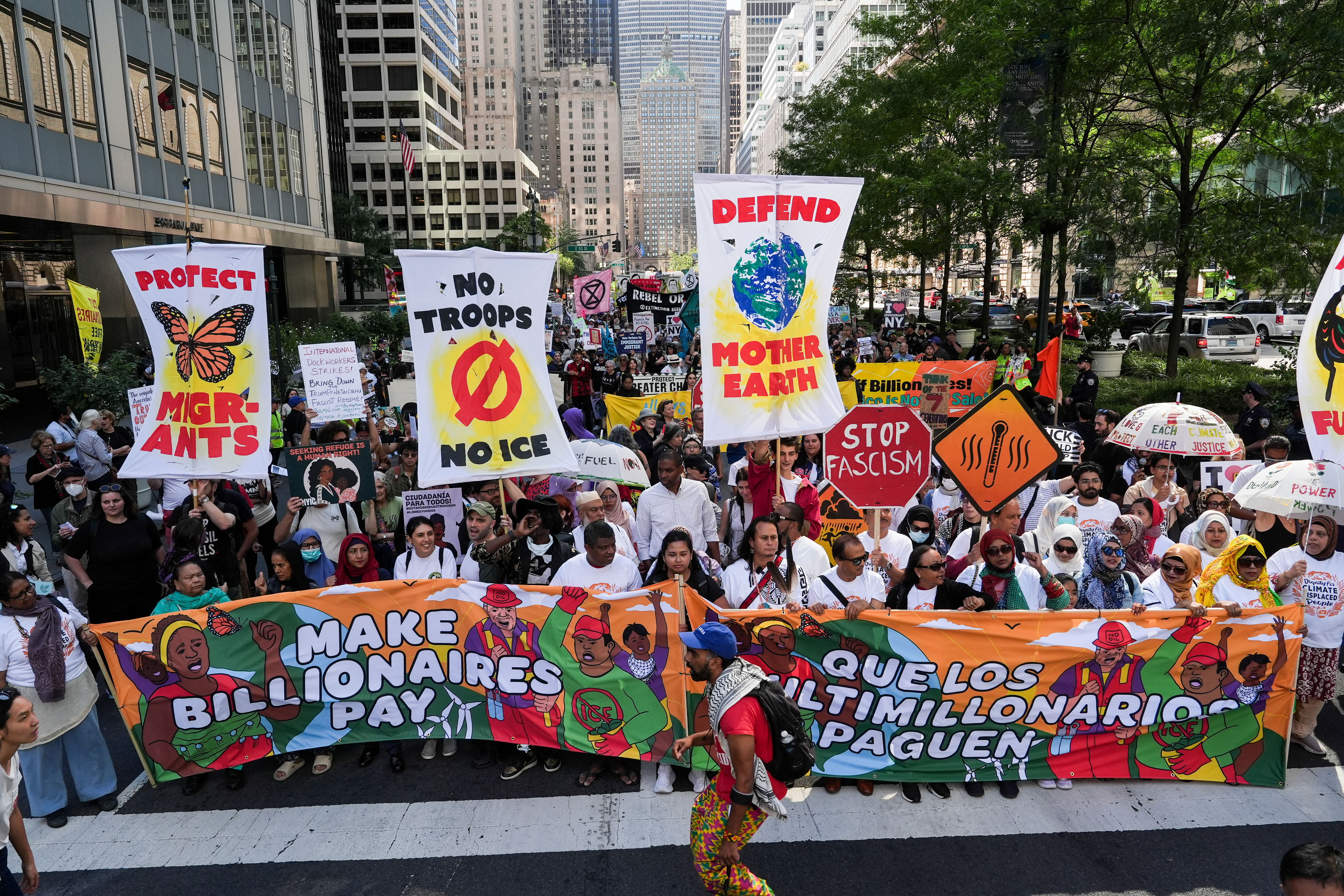
Photo: cyprus-mail.com
Extreme weather events, such as prolonged droughts, heatwaves, and megafires, are now commonplace. These phenomena not only threaten biodiversity but also contribute to rising health issues, including heatstroke and respiratory problems linked to increased air pollution. The phenomenon of ‘climate refugees’ is becoming more prevalent, as communities are forced to migrate due to environmental degradation.
National climate: A Call for Holistic Climate Action
Cyprus, an island nation particularly vulnerable to climate change, stands at a crossroads. To effectively combat the climate crisis, it requires a comprehensive strategy that transcends fragmented efforts. A National Climate Law is proposed as a vital tool to establish long-term commitments and actions towards climate neutrality.
Learning from Europe’s Example
In Europe, 22 countries have successfully enacted similar laws, leading to measurable reductions in greenhouse gas (GHG) emissions. These regulations not only foster participation from the scientific community and citizens but also ensure rigorous monitoring of progress. The existence of such legal frameworks sends a powerful message to governments, reinforcing accountability and responsibility.
Even if a law does not yield immediate results, its mere presence is symbolic. For Cyprus, a National Climate Law would signal a serious commitment to tackling the climate crisis, transforming intentions into actions.
Climate Change: Not Just Another Concern
Some argue that climate change is overshadowed by other pressing issues like wars, economic instability, and social inequality. However, the interconnectivity of these challenges reveals that climate change exacerbates all these problems. Economic systems are disrupted by extreme weather, while public health is strained by the effects of climate-related events.
For instance, rising temperatures and deteriorating air quality contribute to cardiorespiratory issues and increase the prevalence of diseases transmitted by vectors, such as mosquitoes. Vulnerable populations, often residing in low-energy-efficiency homes, are disproportionately affected, facing higher energy bills and greater exposure to extreme weather.
Defining Climate Legislation
To effectively address the climate crisis, immediate and comprehensive solutions are essential. Climate legislation can play a pivotal role in this regard. Defined by ClientEarth, such laws typically outline a roadmap for reducing GHG emissions, often with long-term targets set for 2045 or 2050. They include legally binding targets, carbon budgets, and mechanisms for monitoring progress.
Countries that have implemented climate laws, such as the United Kingdom, have seen significant advancements in transitioning to low-carbon electricity generation. The UK’s commitment to climate legislation resulted in a jump in low-carbon electricity generation from 20% in 2008 to 45% in 2016.
Why Cyprus Needs Its Own Law
While the European Climate Law mandates all Member States to achieve climate neutrality by 2050 and cut GHG emissions by 55% by 2030, it focuses primarily on EU-level commitments. A national climate law tailored to Cyprus’s unique circumstances can establish specific targets and measures that are crucial for local action.
Current EU regulations allow Cyprus to set less ambitious goals, particularly in sectors that contribute significantly to pollution. Without binding national targets, the country’s policies may remain insufficient in addressing the urgent need for climate action.
Evaluating Cyprus’ Current Efforts
Despite existing frameworks, Cyprus has struggled to meet its GHG reduction targets as outlined in its National Energy and Climate Plan (NECP). Official data reveals that GHG emissions in 2023 are higher than in 2021, reflecting a concerning trend. Many proposed policies remain unimplemented or are delayed, with examples such as Sustainable Urban Mobility Plans failing to alter reliance on cars.
The Potential Impact of Legislation
The effectiveness of a National Climate Law in Cyprus remains a complex issue. While it cannot single-handedly resolve the climate crisis, it can significantly contribute to meaningful climate action if designed and executed effectively. The urgency of the climate crisis demands that we embrace all available tools, including legislation, to mitigate its impacts.
As the climate crisis continues to unfold, the questions we face are no longer about whether it will affect us, but rather how severely it will shape our future. The introduction of a National Climate Law could be a critical step towards a more sustainable and resilient Cyprus.