Tag: Great Sea Interconnector

  • Cyprus Faces Significant Energy Challenges in 2026

    Cyprus Faces Significant Energy Challenges in 2026

    Cyprus’ energy challenges are set to intensify in 2026, as experts warn that unresolved issues from the current year will continue to affect the sector. Persistent high electricity prices and potential rolling power cuts loom large on the horizon.

    • With so many unresolved issues, stakeholders are urged to take swift action to ensure a more sustainable energy future for Cyprus.
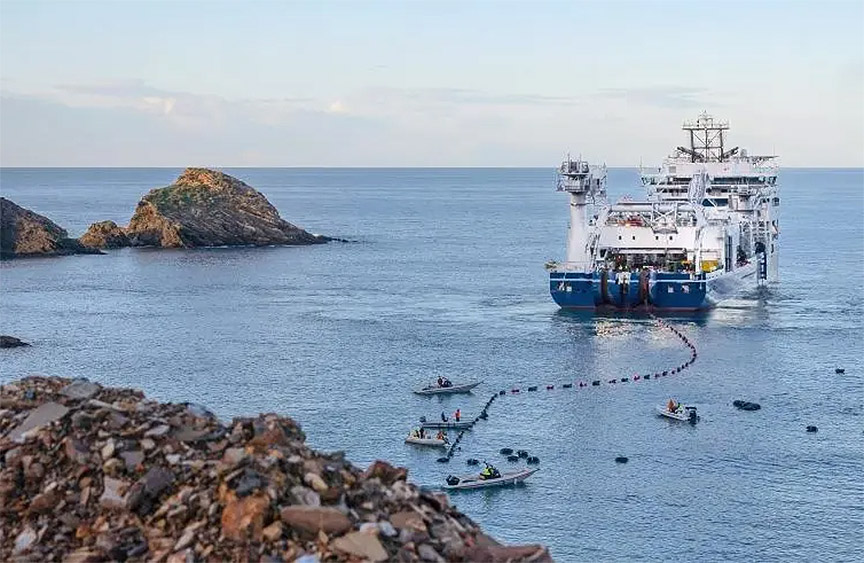
    Energy challenges: Urgent Decisions Required

    According to Constantinos Hadjistassou, a professor at the University of Nicosia who specialises in energy, the leeway for errors in Cyprus’ energy decision-making is critically low. He emphasised the need for increased coordination among policymakers and experts to address the pressing challenges ahead.

    High Electricity Prices

    Energy expert Charles Ellinas echoed Hadjistassou’s sentiments, stating that the energy sector remains one of Cyprus’ most problematic areas. Despite some successes in 2025, the lack of tangible results necessitates urgent attention to the high cost of electricity, which is not expected to decrease in 2026.

    Ellinas highlighted that Cyprus has the highest per capita carbon dioxide emissions in Europe, primarily due to its reliance on diesel and heavy fuel oil for electricity generation. He stressed the urgent need to transition to natural gas to mitigate these emissions.

    Challenges with LNG and Natural Gas

    The LNG import project at Vasiliko continues to face difficulties, with experts noting that the completion of the pier construction is straightforward from an engineering perspective. However, the lack of a clear plan or timetable hampers progress. If completed, the project could allow Cyprus to benefit from lower LNG prices expected in 2026.

    Energean has proposed supplying natural gas through a submarine pipeline from its fields in Israel, contingent on the opening of Cyprus’ natural gas market. Hadjistassou pointed out that the energy ministry has several options available for early 2026, but delays in transitioning from diesel to natural gas will burden Cypriots with high electricity prices.

    Offshore Gas Exploration Prospects

    Looking ahead, the development of the Kronos gas field is anticipated to proceed quickly, with exports to Egypt expected by early 2028. However, Ellinas cautioned that while this may yield political advantages, it will not significantly enrich Cyprus, with profit shares expected to be less than 0.7 per cent of the annual budget.

    The progress of the Aphrodite gas field remains uncertain. Despite the resolution of disputes with Israel, Chevron must decide on investments in 2026 to move forward. With a focus on high-yield projects, Chevron’s low capital expenditure plan complicates progress on the Aphrodite project, which is estimated to cost $4 billion.

    International Collaborations and Infrastructure Projects

    The EEZ delimitation agreement with Lebanon, although politically significant, is not expected to yield direct benefits. Hadjistassou noted that Chevron is prioritising other projects, such as gas agreements with Egypt, over the Aphrodite field.

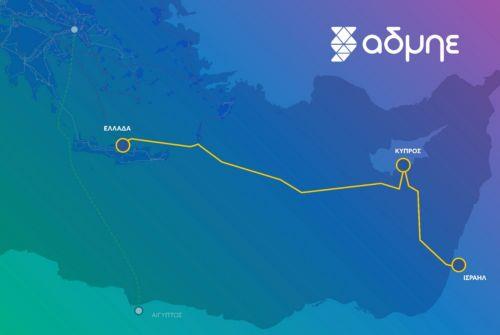
    Ellinas mentioned the Great Sea Interconnector, a proposed subsea cable linking Cyprus and Greece, which needs decisive action to become operational by the planned 2030-2031 date. The project has received backing from the European Commission and Greece, fostering hope for its advancement despite ongoing governmental ambivalence.

    Recent Developments in the Interconnector Project

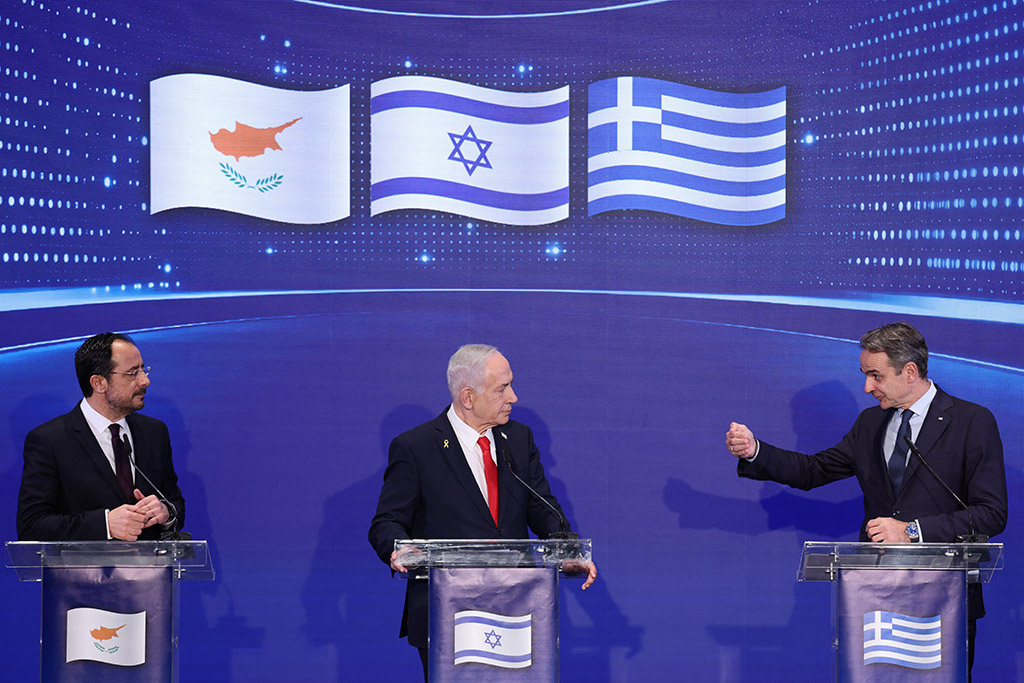
    The trilateral agreement between Cyprus, Greece, and Israel on December 22 aims to promote the Great Sea Interconnector, linking it to the India-Middle East-Europe Economic Corridor (IMEC). Israeli Prime Minister Benjamin Netanyahu underscored the significance of this collaboration, highlighting its potential to enhance energy connectivity between Europe, Asia, and the Arabian Peninsula.

    Despite the commitment, Hadjistassou referred to the project as the “not-so-Great Sea Interconnector” due to lingering uncertainties about its viability and investor interest. The financial burden of the project will largely fall on Cypriot taxpayers, raising concerns about the effective use of funds.

    Renewable Energy Integration Challenges

    As Cyprus grapples with its energy transition, integrating renewables into the grid remains a pressing issue. Hadjistassou warned that power cuts are likely to increase in 2026, particularly during periods of low electricity demand when the generation from renewable sources peaks. Without adequate battery storage, a significant portion of this generated electricity could go to waste.

    He suggested that a portion of the surplus electricity could be redirected to desalination plants to combat water scarcity, highlighting the need for innovative solutions to manage excess electricity.

    The Future of Electricity Supply

    Another critical concern for 2026 will be ensuring a stable electricity supply on the island. With the increasing reliance on renewable energy, the Dhekelia power plant’s role in maintaining grid stability is becoming more crucial. Although the Electricity Authority of Cyprus (EAC) plans to install gas turbines to enhance capacity, they will not be operational until 2028.

    In the meantime, the EAC expects to have a 160MWh battery bank at Dhekelia operational by summer 2026, which could help alleviate power cut issues. Additionally, the Transmission System Operator (TSO) aims to install another 400MWh of battery storage systems by mid-2026, further bolstering the island’s energy resilience.

    Looking Ahead

    Despite these initiatives, the cost of stored electricity will be higher than that generated from conventional sources and renewables, posing another challenge for consumers. As Ellinas summarised, 2026 is set to be another year of significant energy challenges for Cyprus, with urgent priorities including completing the LNG import project, enhancing electricity storage, upgrading the grid, increasing renewable energy installations, and deciding on the Great Sea Interconnector.

    With so many unresolved issues, stakeholders are urged to take swift action to ensure a more sustainable energy future for Cyprus.

  • Great sea — DIKO Leader Criticises Government Inaction on Great Sea Interconnector

    Great sea — DIKO Leader Criticises Government Inaction on Great Sea Interconnector

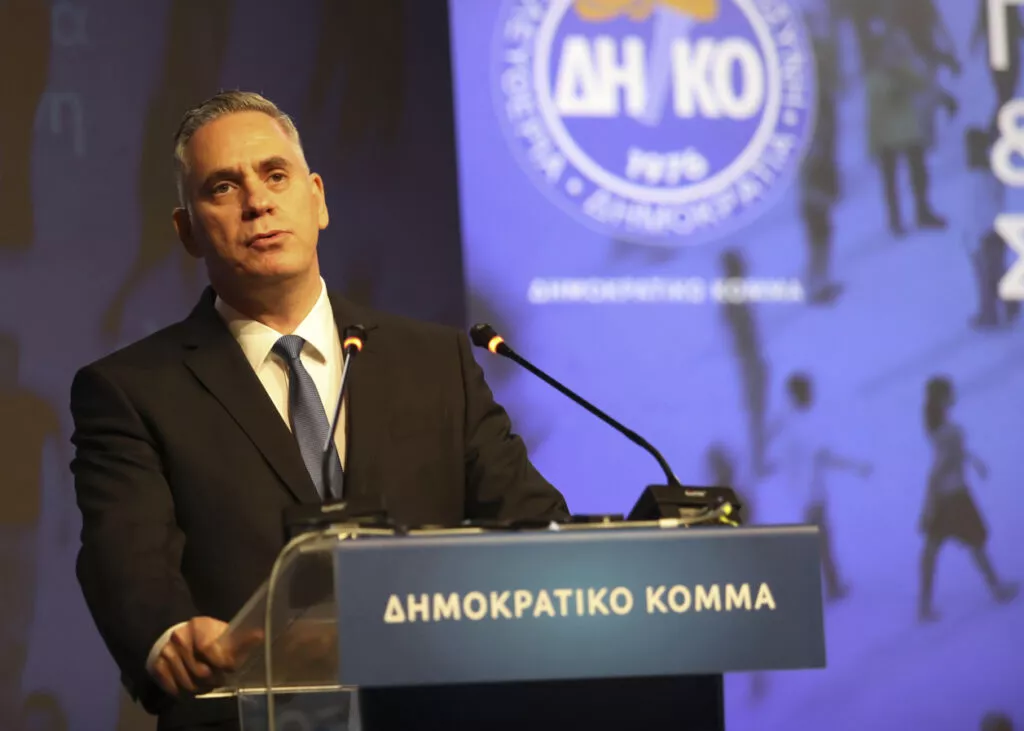
    The Great Sea Interconnector has become a point of contention between President Nikos Christodoulides and DIKO leader Nicolas Papadopoulos, who has expressed frustration over the government’s inaction regarding the critical subsea electricity cable linking Cyprus to Greece and the broader European grid.

    Great sea: The Letter That Sparked the Crisis

    In mid-December, Papadopoulos sent a formal warning to the Presidential Palace detailing his concerns about the project’s management. He specifically pointed fingers at Finance Minister Makis Keravnos, accusing the government of hesitation that he believes is jeopardising national interests. The letter, which went unanswered, has ignited a public outcry from Papadopoulos during recent parliamentary sessions and media appearances.

    Warnings of Catastrophic Consequences

    In his correspondence, Papadopoulos outlined several dire outcomes should the Great Sea Interconnector fail to progress:

    • Financial Penalties: Cyprus has already invested approximately €302 million in the project. If cancelled, the state could face hefty compensation claims from the French contractor, Nexans, due to loss of revenue and breach of contract.
    • Legal Fallout: Nexans is reportedly in the process of cancelling sub-contracts and may shift responsibility to the Greek grid operator, ADMIE, which could then hold the Cypriot government accountable for not honouring agreements.
    • Diplomatic Rupture: The current governmental stance threatens to sever relations with key stakeholders, including the Greek government, the European Commission, and France.
    • Energy Isolation: A failure to complete the interconnector would leave Cyprus without access to a stable energy supply, enabling local monopolies to maintain high prices for consumers.

    Accusations of Sabotage

    Papadopoulos has been vocal about his belief that the progress of the interconnector is being undermined from within the government. He has directly accused Finance Minister Keravnos of questioning the project’s viability and withholding the necessary €25 million annual funding, despite a Cabinet-approved Memorandum of Understanding. Papadopoulos dismissed the Ministry’s requests for updated studies, referencing EU Energy Commissioner Dan Jørgensen’s assurance that existing studies are adequate.

    The Ultimatum

    In his letter, Papadopoulos called for an emergency meeting with President Christodoulides and the Ministers of Finance and Energy to discuss the deadlock. He warned that failing to hold this meeting would compel him to take his dissent public, a promise he has now fulfilled.

  • Uncertainty Surrounds Great Sea Interconnector Cost and Future

    Uncertainty Surrounds Great Sea Interconnector Cost and Future

    The Great Sea Interconnector’s future is shrouded in uncertainty as discussions about its cost intensify. Recent talks in Athens led to an agreement to ‘update the techno-economic’ parameters, a move interpreted by many as indicative of stalled progress on the project. While some view this as a necessary step forward, others see it as a sign that the interconnector is struggling to gain momentum.

    Photo: cyprus-mail.com

    Great sea: Debate Over Project Viability

    Opinions on the interconnector diverge sharply. Critics argue that the announcement of a new feasibility study suggests a fundamental reassessment of the project. The GSI, which aims to connect the electricity grids of Cyprus and Greece via a subsea cable, currently faces a significant funding gap, estimated to be around €1 billion. Those sceptical of the project highlight that the necessity of further studies indicates a lack of confidence in its financial viability.

    Photo: cyprus-mail.com

    Funding Challenges

    Despite optimistic claims from Admie, Greece’s independent transmission operator and the project’s promoter, evidence of substantial investment interest remains elusive. Claims that the United States International Development Finance Corporation is considering involvement lack concrete backing. Currently, Admie has capital estimated between €250 million and €300 million and has also secured €650 million in grants from the European Commission. However, the projected cost of the interconnector stands at approximately €1.9 billion, leaving a significant funding shortfall.

    Government Statements and Investor Interest

    Following the Athens summit, Greek Energy Minister Stavros Papastavrou asserted that genuine interest from American investors exists. He stated, “Interest has been exhibited from the Americans, from American companies. We are in an exploratory phase. The Americans, as well as anyone else desiring to invest in a long-term project, they want the numbers, they want the data to understand the what, the how, and the where.”

    This perspective suggests that the feasibility study’s purpose is to provide clarity on costs, which will be critical for attracting potential investors. The study aims to determine whether the project can yield a healthy return on investment and if financial institutions will be willing to back it.

    Concerns Amidst Optimism

    However, sceptics raise valid concerns about the potential ramifications of the feasibility study. They question what would occur if the findings indicate that the interconnector is not financially viable. Would the governments of Cyprus and Greece proceed with a project deemed unfeasible? This uncertainty complicates the already precarious situation surrounding the GSI.

    Further complicating matters, the Turkish navy has deployed gunships to halt depth surveys required for the subsea cable, raising questions about the project’s feasibility if these critical surveys cannot be completed. A source familiar with the situation revealed that there is currently no clear understanding of the GSI’s total cost, contradicting positive outlooks from some officials.

    Historical Context and Previous Studies

    The interconnector project has a complicated history. Initially undertaken by EuroAsia Interconnector Ltd., the project was passed to Admie in October 2023. The Cypriot finance ministry previously submitted a cost-benefit analysis to the European Investment Bank (EIB) when EuroAsia was still involved, seeking an opinion rather than a loan application. The EIB’s recommendation advised Cyprus to invest in energy storage solutions instead.

    Admie later engaged the same consultancy that evaluated EuroAsia’s analysis to perform a second cost-benefit study, which indicated a more favourable outcome for the interconnector, albeit based on several optimistic assumptions.

    Political Perspectives and Future Prospects

    In light of the uncertainty, some remain steadfast in their belief that the GSI is essential for Cyprus’s energy security. Pavlos Liasides, who formulates energy policy for the Disy party, stated, “The GSI is a project that must be done, and will be done. It cannot be otherwise.” Liasides emphasised the interconnector’s significance in the broader context of regional energy needs, connecting Cyprus to the Middle East and Europe.

    He also highlighted the geopolitical implications of the project, noting that plans for interconnectors have been influenced by various international stakeholders, excluding certain nations, including Turkey. This exclusion adds a layer of complexity to the project’s implementation.

    Cost Implications for Consumers

    Addressing concerns about the project’s costs, Liasides pointed out that even if the GSI were to be completed without being utilised, the financial impact on consumers would be minimal, estimating an increase of only €15 per year on their bills over 25 to 30 years.

    Future Collaboration Between Cyprus and Greece

    Despite any perceived tensions between Cyprus and Greece regarding the interconnector, Liasides expressed confidence in the collaboration between the two nations. He noted the leaders’ public commitment to the project during their recent meeting in Athens, suggesting that both governments remain aligned in their objectives.

    As discussions continue, Liasides cautioned against inflammatory rhetoric that could undermine their efforts. He stated, “The GSI has adversaries; they are out there, lurking to poison relations between us and the Greek government. We mustn’t give them any ammunition.” This sentiment underscores the delicate balance that both countries must maintain as they navigate the complexities surrounding the Great Sea Interconnector.

  • Cyprus Energy Minister Affirms Commitment to Great Sea Interconnector Project

    Cyprus Energy Minister Affirms Commitment to Great Sea Interconnector Project

    The Great Sea Interconnector (GSI) remains a priority for the Cypriot government, according to Energy Minister George Papanastasiou, despite criticism regarding its financial viability.

    • The Great Sea Interconnector (GSI) remains a priority for the Cypriot government, according to Energy Minister George Papanastasiou, despite criticism regarding its financial viability.

    Minister’s Assurance Amidst Financial Concerns

    During an event in Paphos on Monday, Papanastasiou emphasised the need for Cyprus to maintain its focus on the GSI project. This statement came on the heels of remarks from Kyriacos Kakouris, the outgoing Vice President of the European Investment Bank (EIB), who labelled the project a “financial non-starter.”

    Defending the European Nature of the Project

    Papanastasiou countered the scepticism by highlighting that the GSI is a European initiative. He stated, “any commentary, from anyone else other than the European Commission, is superfluous,” indicating that outside opinions, including those from Greek and Cypriot officials, should be viewed with caution.

    Upcoming Meetings to Discuss the GSI

    The Energy Minister also confirmed that a crucial three-way meeting involving himself, his Greek counterpart, and the European Commissioner for Energy is scheduled for November 12 in Brussels. This follows an earlier teleconference on October 16, aimed at addressing concerns surrounding the GSI.

    The Great Sea Interconnector Explained

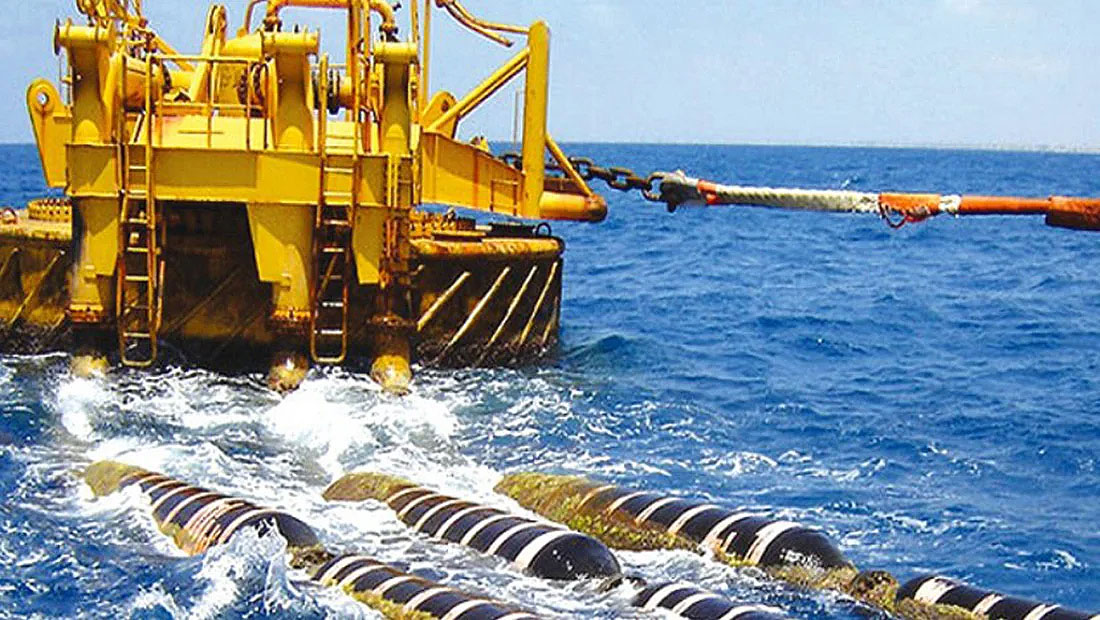
    The GSI is envisioned as a subsea cable that will connect the electricity grids of Cyprus and Greece. This interconnection is intended to bolster energy security and diversify energy sources for Cyprus, which is currently reliant on imported fuel.

    Financial Viability Under Scrutiny

    Kakouris raised several doubts about the GSI’s financial viability, stating that the EIB has yet to receive sufficient explanations from the Greek and Cypriot governments about how the interconnector fits into their broader energy plans. He expressed concern that the project, as it stands, does not appear to be viable based on existing regulatory decisions.

    He remarked, “On its own the project, based on the decisions of the regulatory authorities, appears not to be viable,” suggesting that additional political discussions are crucial to secure state support and guarantees, especially concerning geopolitical risks associated with the project.

    Escalating Costs and Consumer Concerns

    Compounding the challenges, Kakouris noted that the project’s costs have escalated significantly, with the initial estimate of €1.4 billion now deemed outdated. He warned that the cost of lending could effectively double the total financial outlay, extending repayment over a 20 to 25-year period. This raises questions about how these costs will affect electricity consumers in both Cyprus and Greece.

    According to Kakouris, clarity is needed regarding what consumers will be charged for the interconnector over time. The agreed reimbursement ratio dictates that two-thirds of the costs will fall on Cypriot consumers, while one-third will be the responsibility of Greek consumers. He insisted that there should be assurances that the charges do not outweigh the benefits.

    Political Reactions and Calls for Transparency

    The opposition party Akel has been vocal in its criticism of the government’s handling of the GSI project. They accused the administration of “speaking with a forked tongue” and failing to take decisive action to address the project’s viability.

    Akel has demanded immediate clarification from President Nikos Christodoulides regarding the absence of an official loan request to the EIB, the government’s intentions for potentially acquiring a stake in the GSI, and whether the project is considered financially sustainable.

    Looking Ahead

    As the scheduled meetings approach, the Cypriot government faces mounting pressure to provide clear answers and a viable path forward for the GSI. Papanastasiou’s steadfast commitment to the project suggests an unwavering belief in its potential benefits, despite the financial uncertainties that loom.

    Ultimately, the future of the Great Sea Interconnector hinges on successful negotiations, financial backing, and a transparent dialogue with consumers and stakeholders. The outcome will not only impact energy policy in Cyprus but also its relationship with Greece and the broader European energy landscape.

  • Great Sea Interconnector Project Remains Active, Says Nexans CEO

    Great Sea Interconnector Project Remains Active, Says Nexans CEO

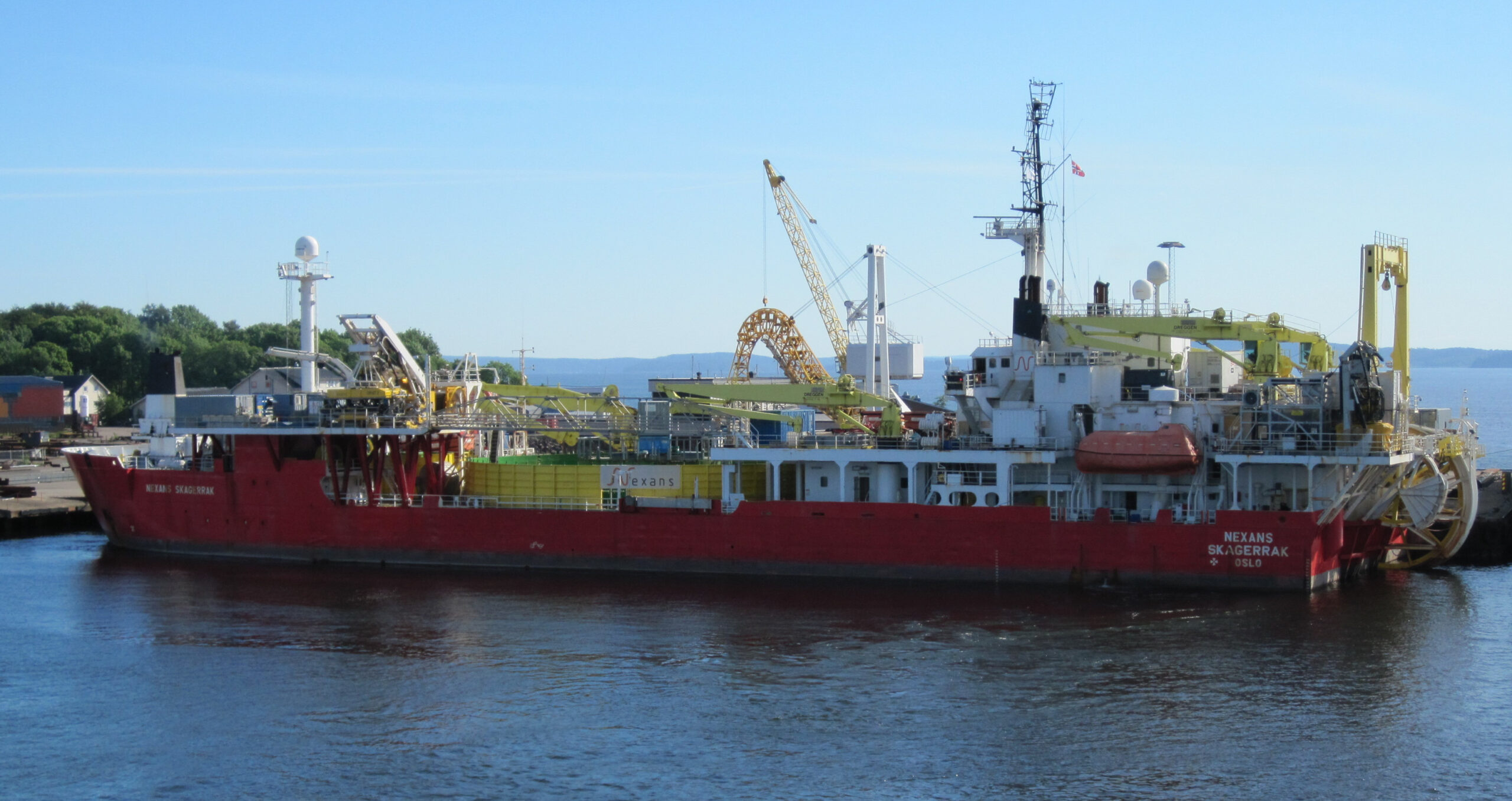
    great sea — The Great Sea Interconnector project is still on track, according to Nexans CEO Julien Hueber, who recently affirmed that there is “no Plan B” for the cable that has been constructed thus far. The subsea cable aims to link the electricity grids of Cyprus and Greece, a crucial development in enhancing energy cooperation between the two nations.

    During a conference call with analysts discussing the company’s Q3 earnings, Hueber stated, “Regarding the GSI project, as I said, the project is ongoing. Extremely good relationship and collaborative work with Ipto, our customer. For us, there is no plan B.”

    Ipto, or Admie by its Greek acronym, serves as Greece’s independent power transmission operator and plays a key role in the GSI initiative. Nexans has already received €250 million in payments in various tranches for the project.

    Hueber highlighted the collaborative nature of their work, noting, “We are in discussion at this moment in terms of the next steps of this project, and the milestone of payment is part of it.” He also confirmed that there are ongoing discussions at the political level, backed by the European Commission, regarding the project’s future.

    Responding to concerns raised about the potential cancellation of the interconnector, Hueber firmly stated, “First of all, the project is not canceled. We are still working on it. There are extremely close discussions on the relationship with our customers.” He reassured stakeholders that there is no perceived risk to the project’s continuation.

    Vincent Dessale, a Senior Executive at Nexans, provided further insight by mentioning that the total cost of the GSI project is €1.4 billion, of which €250 million has been received from Admie so far. However, complications have arisen as Cyprus has withheld a €25 million payment to Greece’s Admie for the year 2025, leading to tensions between Nicosia and Athens.

    In a recent teleconference, the energy ministers of Cyprus and Greece, along with the EU energy commissioner, discussed the matter. Following their meeting, a joint statement was released, affirming that both governments are committed to collaborating “in a spirit of unity and mutual trust.”

    The EU’s involvement in the GSI project is significant, with a pledge of €657 million in grants out of the total €1.9 billion project cost. This funding underscores the importance of the interconnector not only for Cyprus and Greece but also for the broader European energy landscape.

  • Dispute Over Payment Structures Clouds Great Sea Interconnector Project

    Dispute Over Payment Structures Clouds Great Sea Interconnector Project

    great sea — A longstanding difference over payment structures is at the heart of the ongoing dispute involving the Great Sea Interconnector (GSI) project. Sources revealed that the energy regulator of Cyprus is at odds with Admie, Greece’s independent power transmission operator and the project promoter for the GSI.

    • In a clarification issued after President Christodoulides’ remarks, Admie stated it was not demanding the entire €251 million immediately but was contesting Cera's verification of €82 million.

    The issue resurfaced following strong comments made by Cypriot President Nikos Christodoulides, who asserted that the state would not be “blackmailed” by Admie. This statement came in response to a report from the daily Phileleftheros, which highlighted the tensions surrounding the project.

    President Christodoulides reiterated that there is “no crisis” between the governments of Cyprus and Greece, despite the apparent disagreements over the GSI. He acknowledged that some “technocratic differences” exist regarding the project.

    On Monday, the Cyprus energy regulatory authority (Cera) confirmed it had received a letter from Admie concerning its expenses on the GSI. The letter, dated September 26, appeals a previous decision made by Cera in July, where only €82 million in capital expenditures (capex) was verified by the regulator. In contrast, Admie claims it has spent €251 million to date.

    In a clarification issued after President Christodoulides’ remarks, Admie stated it was not demanding the entire €251 million immediately but was contesting Cera’s verification of €82 million.

    This disagreement stems from a history of disputes dating back to when EuroAsia Interconnector Ltd, a Cypriot company, was the original project promoter. After EuroAsia withdrew in October 2023 due to financing issues, Admie took over but found the existing agreement with Cera unsatisfactory. The previous agreement allowed for some expense recovery only after project completion, while Admie insists on the ability to recoup costs as they occur.

    Differences in regulatory practices between Cyprus and Greece exacerbate the situation. In Cyprus, it is customary for the implementing entity to be reimbursed after completing a project, whereas Greece permits reimbursement of expenses as they arise. This fundamental disagreement remains unresolved, with Admie’s recent letter being the latest development in ongoing discussions.

    Cera has not accused Admie of dishonesty regarding the €251 million claim; rather, it has requested evidence in the form of invoices to support the expenditure. Currently, Cera maintains that only €82 million can be substantiated.

    In July 2024, Cyprus and Greece entered into an interstate agreement committing Cyprus to pay €25 million annually into the GSI project from 2025 to 2030, totalling €125 million. However, this agreement does not address the core issue of when expenses can be reimbursed, leaving Admie’s costs to accumulate.

    It’s important to note that the €251 million claimed by Admie does not represent Cyprus’ total liability. Cyprus is responsible for 63% of that amount, while Greece covers the remaining 37%, as per the agreed division of costs.

    The overall cost of the interconnector project is estimated at €1.9 billion, and as time progresses, Admie’s financial claims may increase beyond the current figure. Complicating matters further is the ongoing Turkish interference, which has halted depth surveys necessary for mapping the subsea cable route. So far, surveys have only been conducted in the territorial waters off Crete and Cyprus, with Turkish claims of continental shelf rights preventing exploration in international waters. This leaves significant gaps in the necessary seabed mapping for the project.

  • Finance Minister Keravnos Raises Concerns Over Great Sea Interconnector Funding

    Finance Minister Keravnos Raises Concerns Over Great Sea Interconnector Funding

    great sea — Finance Minister Makis Keravnos has voiced significant concerns regarding the funding of the Great Sea Interconnector (GSI) project, citing potential financial risks associated with its implementation. In remarks made following a meeting of the Council of Ministers on Monday, where the 2026 state budget was under consideration, Keravnos highlighted findings from various studies suggesting that the GSI may not be financially sustainable.

    Keravnos stated, “I still think this issue is under discussion. If we pay the money, there is a risk. As I have said, studies suggest that the project is not viable.” His comments reflect a consistent apprehension regarding the project’s feasibility, a sentiment he has expressed on multiple occasions.

    The GSI aims to connect the energy grids of Cyprus, Greece, and Israel, representing a significant step towards regional energy integration. However, the project has faced various challenges, leading to the Cypriot government withholding €25 million requested by Greece’s independent transmission system operator, Admie, to assist with its funding.

    During the budget preparations, Keravnos mentioned that both internal and external risks had been evaluated, with the GSI identified as a notable concern. He emphasised the uncertainty surrounding the final cost of the project, which adds another layer of complexity to funding decisions.

    In a related matter, the Minister addressed the European Commission’s demand for the return of €67 million related to the Vasiliko liquefied natural gas (LNG) terminal, which was never completed. Keravnos assured that the government is actively managing this issue, hinting at potential offsets with future funds. “We are not giving up, we are fighting,” he asserted, indicating a commitment to navigating the financial challenges ahead.

    When pressed by journalists about the possibility of negotiating the demanded amount, Keravnos firmly stated that the figure was not negotiable under any circumstances, reaffirming the government’s position on the matter.

  • President Affirms No Disagreements with Greece on Great Sea Interconnector

    President Affirms No Disagreements with Greece on Great Sea Interconnector

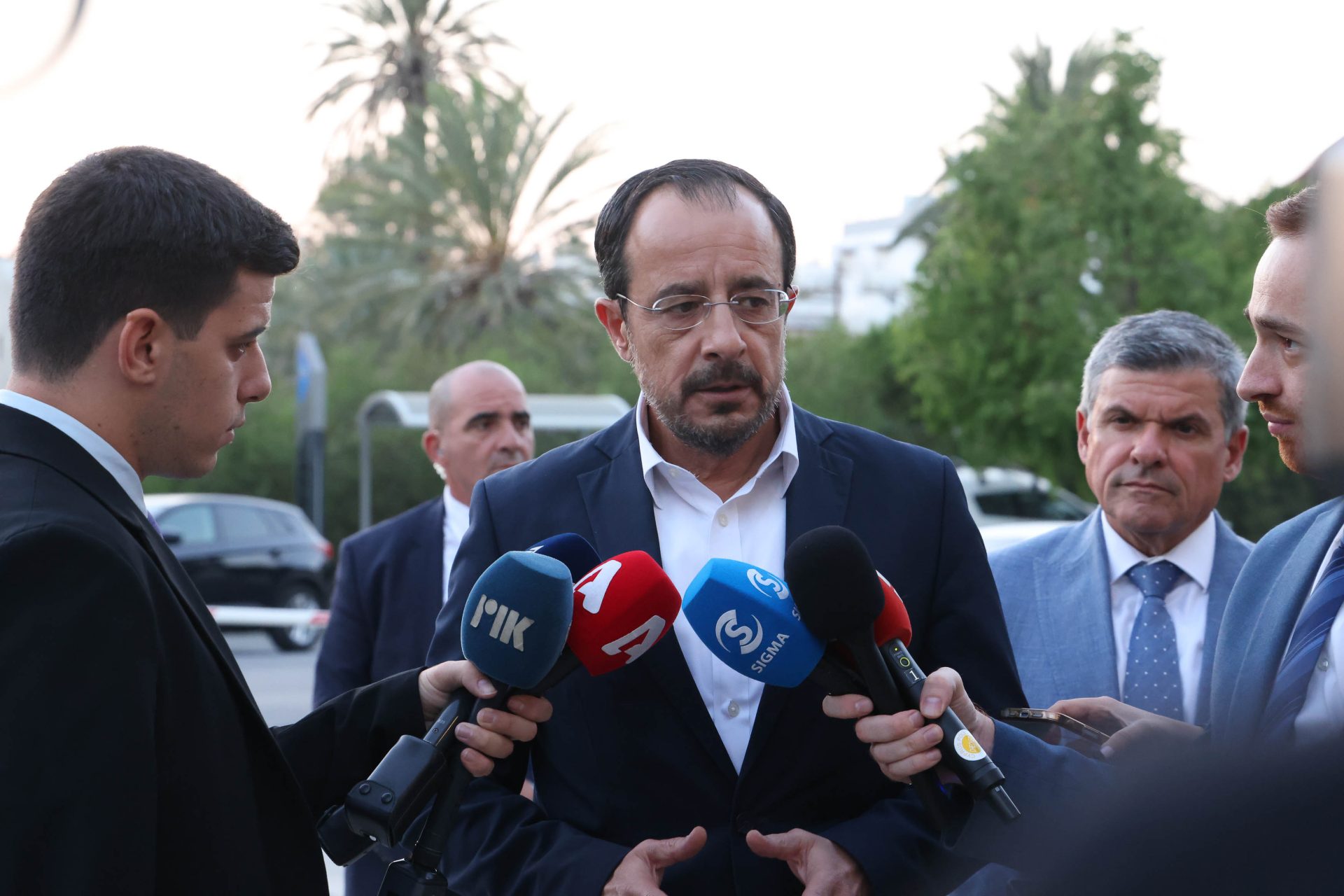
    great sea — President Nikos Christodoulides has confirmed that there are no disagreements with the Greek government regarding the Great Sea Interconnector (GSI) project, a vital initiative aimed at connecting the energy grids of Cyprus, Greece, and Israel.

    His remarks come after Greek Deputy Prime Minister Kostis Hatzidakis urged the Cypriot government to clarify its stance on the GSI during a press conference. Highlighting the project’s significance, Hatzidakis noted that Cyprus stands to gain substantially from the interconnector, which would alleviate the island’s current energy isolation.

    Despite the enthusiasm surrounding the project, Hatzidakis pointed out a crucial financial concern, stating that the costs of the GSI cannot rely solely on Greek taxpayers. He stressed the need for shared funding, with a particular reference to a request made by Greece’s independent transmission system operator, Admie, for the Cypriot government to contribute €25 million towards financing the project. This request has faced resistance from Cypriot Finance Minister Makis Keravnos, who has yet to give his consent.

    Admie holds a 51 per cent stake in the GSI, making it the majority stakeholder and responsible for its execution. President Christodoulides reiterated the strategic importance of the project for Cyprus and expressed confidence in Admie’s commitment to fulfilling its responsibilities. He emphasised that the sustainability of the GSI hinges on Admie meeting its obligations.

    In a related development, the President revealed that the European Public Prosecutor’s Office (EPPO) has initiated an investigation into potential criminal offences linked to the electrical interconnection project. This announcement came after an earlier inquiry into an alleged €101 million corruption case involving the liquefied natural gas (LNG) import terminal in Vasiliko.

    Christodoulides acknowledged that the EPPO investigations may be causing delays in the implementation of both projects. However, he asserted that these delays are necessary to maintain the country’s international reputation and ensure transparency in the management of public funds. The investigation, which began in March 2024, is reportedly scrutinising bank accounts of various politicians, state officials, and civil servants, amidst allegations of procurement fraud and misappropriation of EU funds.

    While the EPPO has remained tight-lipped about specific details, sources suggest that a court request to lift bank confidentiality has revealed significant evidence currently under examination in Luxembourg. As the investigations unfold, both governments are keenly awaiting results that could impact the future of the GSI and the broader energy strategy for Cyprus.