Blog

  • European affairs — Marilena Raouna to Represent Cyprus at EU European Affairs Meeting

    European affairs — Marilena Raouna to Represent Cyprus at EU European Affairs Meeting

    Marilena Raouna, the Deputy Minister for European Affairs, is set to represent Cyprus at the upcoming Informal Council of Ministers responsible for European Affairs in Copenhagen. The meeting, organised by the Danish EU Presidency, will take place on September 1 and 2.

    The Informal Council is anticipated to commence with a working lunch, welcoming participation from candidate and potential candidate countries for EU membership. This gathering highlights the EU’s ongoing dialogue with nations aspiring to join the bloc.

    On September 2, the focus will shift to discussions around the significance of the Copenhagen criteria, which are pivotal for assessing potential EU members. Raouna and her counterparts will deliberate on how to bolster the necessary reforms that align with these criteria, ensuring that candidate countries are well-prepared for EU integration.

    Additionally, the agenda includes a dedicated session for the 27 EU Member States to discuss the strengthening of the rule of law within the Union. Ministers are expected to exchange insights on enhancing the EU’s rule of law toolbox, both in preventing violations and addressing existing issues.

    As the discussions unfold, the Informal Council will also engage in a forward-looking dialogue regarding the future of Europe. This reflects the EU’s commitment to continuous improvement and adaptation, particularly in the context of the upcoming European Commission’s pre-accession policy reviews scheduled for the autumn.

    In preparation for Cyprus’s own presidency of the Council of the EU in 2026, Raouna will be conducting bilateral meetings on the sidelines of the Council. These engagements are crucial for establishing strong relationships and exchanging ideas that will benefit Cyprus’s future role in the EU.

  • Concerns Mount Over EU’s Chat Control Legislation

    Concerns Mount Over EU’s Chat Control Legislation

    Concerns over the Chat Control legislation are intensifying as it approaches a vote in the European Parliament. Critics argue that the proposal, championed by the European Commission and the Danish presidency of the European Council, poses significant risks to individual privacy and invites a new era of mass surveillance.

    Photo: cyprus-mail.com

    Chat control: What the Legislation Entails

    Under the guise of combating child pornography, the EU aims to mandate that every messaging platform, including WhatsApp, iMessage, and Telegram, implement scanning technologies that analyse private communications through artificial intelligence (AI). This would require platforms to report any suspicious content directly to authorities, effectively undermining the confidentiality of user messages.
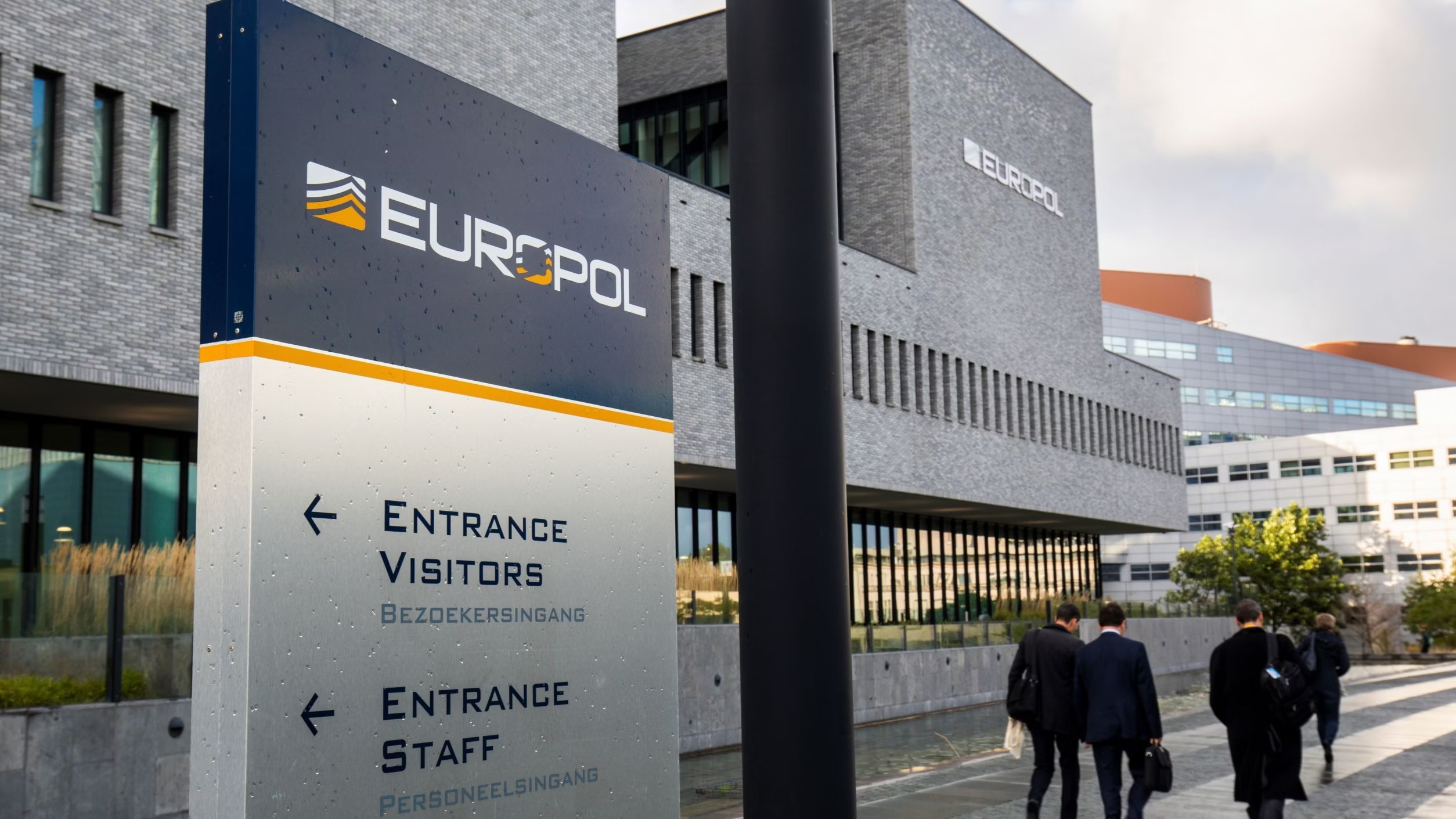
    Photo: cyprus-mail.com

    The Potential Pitfalls

    Experts have raised alarms about the unintended consequences of such measures. For instance, sexting among teenagers could be misinterpreted as suspicious activity, leading to unnecessary police involvement. Moreover, parents might face scrutiny for sharing benign images of their children. Critics assert that AI lacks the ability to accurately discern context, which could exacerbate these issues.

    Political Perspectives and Opposition

    Cyprus MEP Giorgos Georgiou has expressed strong reservations regarding the proposal, highlighting that it violates fundamental rights to privacy and undermines the role of encryption as a safeguard against cyber threats. He noted that during the proposal’s preparation, the Left Group in the European Parliament opposed it due to concerns about privacy violations.

    Georgiou stated, “Our goal is to protect children effectively with targeted, evidence-based solutions, which will minimise issues of violations of privacy.” He emphasised the importance of discussing these issues thoroughly with other political groups to reach a balanced decision.

    Loucas Fourlas, from the Group of the European People’s Party, echoed the sentiment of seeking a balance between child protection and privacy. He acknowledged the concerns from many constituents about the potential erosion of end-to-end encryption and personal privacy that the Chat Control legislation could cause.

    The Urgency of the Situation

    The timeline for deliberation is pressing, with various EU member states holding differing views on the legislation. Currently, Germany, with its 96 MEPs, remains undecided and could significantly influence the outcome. Notably, four member states, including Austria and the Netherlands, have openly opposed the Chat Control initiative, while 15 states, including Cyprus, support it.

    The proposed legislation requires backing from 55% of member states, representing 65% of the EU’s population, to pass. This intricate political landscape illustrates the complexity of the issue and the diverse opinions on how best to protect children online without infringing on privacy rights.

    The Broader Context of Surveillance

    Concerns have been raised about the motivations behind the Chat Control legislation. Andreas Shialaros, a lawyer, remarked that it is becoming increasingly difficult to view Chat Control as merely a child protection measure. He observed a troubling trend as democratic nations, including the EU, the UK, and Switzerland, pursue similar mass surveillance capabilities under the pretext of safeguarding children.

    Shialaros articulated, “The timing is too coincidental. When authoritarian and democratic governments alike pursue mass surveillance using nearly identical technical approaches, we must ask: is this really about protecting children?”

    This sentiment is echoed by experts who warn that the introduction of client-side scanning could lead to a slippery slope where the technology is repurposed for broader surveillance, targeting a range of issues from terrorism to political dissent.

    Privacy Concerns and Technological Risks

    Research highlighted by news analysis website Balkan Insight indicates that AI-driven scanning systems may be misused for facial recognition without users’ knowledge, posing further privacy risks. Professor Ross Anderson from Cambridge University cautioned that the debate surrounding AI scanning for child sexual abuse material has overlooked the potential for misuse by law enforcement agencies.

    He noted, “The security and intelligence community have always used issues that scare lawmakers, like children and terrorism, to undermine online privacy.” This raises critical questions about the long-term implications of such technologies on individual freedoms.

    Exemptions and Double Standards

    Critics have also pointed out the hypocrisy in the proposed legislation, which exempts politicians and state functionaries from its provisions. Article 1 of the proposal explicitly states that the regulation does not apply to professional government accounts used for national security or law enforcement purposes. This has led to accusations that policymakers are aware of the potential dangers inherent in the technology they wish to impose on the public.

    Digital rights activist Patrick Breyer highlighted this double standard, asserting that the exemptions indicate a lack of trust in the effectiveness and reliability of the surveillance algorithms proposed for public use.

    A Call for Thoughtful Consideration

    As the EU prepares for a critical vote on the Chat Control legislation, the balance between child safety and privacy rights remains a contentious issue. The voices of concerned citizens, MEPs, and experts must be heeded to ensure that any measures taken do not compromise the fundamental rights of individuals while striving to create a safer digital environment for children.


  • Messages from Beyond: A Unique Mediumship Evening in Nicosia

    Messages from Beyond: A Unique Mediumship Evening in Nicosia

    Messages from beyond will come to life in Nicosia as psychic medium Giorgos Papageorgiou hosts an evening designed to connect the living with the spirit world. On September 13, attendees will have the opportunity to explore the fascinating world of mediumship at the Life Centre Yoga.

    Messages from: Connecting with Loved Ones

    This special event is set to begin at 6pm, offering a warm and inviting atmosphere for those curious about the afterlife. Giorgos, known for his compassionate approach, aims to create a space where individuals can feel uplifted and perhaps even receive messages from loved ones who have passed on.

    Giorgos Papageorgiou expresses, “Our loved ones who have passed are always with us. They take every opportunity to communicate, to offer messages of love and healing, and to remain a part of our lives. As a medium, I bridge the two worlds, bringing forward the stories of those who have crossed over, passing on their messages, and sharing their inspiration.”

    An Evening of Spirit Messages

    The two-hour session promises to be an enriching experience, where Giorgos will engage directly with the audience, tuning in to both physical and spiritual realms. Participants can expect meaningful messages as he connects with loved ones and spirit guides alike.

    As part of the event, there will also be a short Q&A session, allowing attendees to delve deeper into their questions about mediumship, the spirit world, and the process of connecting with departed souls. No prior experience is necessary to attend; all that is required is an open heart and a sense of curiosity.

    Details of the Event

    • Date: September 13
    • Time: 6pm-8pm
    • Location: Life Centre Yoga, Nicosia
    • Cost: €17.40
    • More Information: Event Link
  • Cyprus Delays Launch of EU Helpline for Gender Violence Victims for Five Years

    eu helpline — Five years on, Cyprus is still without the EU helpline 116016 aimed at supporting victims of gender violence. Despite the government’s repeated commitments, financial and procedural barriers have hindered its launch.

    Eu helpline: Long Wait for a Lifeline

    The 116016 helpline is already operational in several European countries, including Germany, France, Ireland, Sweden, and Austria, where it provides free and specialised support for individuals affected by gender-based violence. However, victims in Cyprus are still left without this crucial resource.

    Recent Developments Highlight Ongoing Delays

    The issue resurfaced in a parliamentary session where Justice Minister Marios Hartsiotis responded to MP Giorgos Koukoumas, as reported by Politis. Minister Hartsiotis confirmed that the project has faced delays primarily due to budget restrictions and administrative hurdles, but emphasised that expertise in handling domestic violence cases is not lacking, as the NGO Spavo has significant experience in this area.

    Initial Steps and Financial Commitments

    Cyprus first expressed interest in establishing the helpline in 2021, leading to the justice ministry signing an agreement with Spavo. The agreement included a pledge of €45,000 to cover initial costs such as staff training and equipment. The budget allocation was made for both 2022 and 2023, with hopes that the helpline would be ready for a national launch.

    Cost Estimates and Budget Challenges

    In September 2023, the justice ministry submitted its proposal for the helpline to the finance ministry for approval. During the discussions, Spavo was asked to provide a detailed breakdown of costs associated with operating the helpline. Two months later, the NGO reported that the annual operating cost would reach €120,000, with an expected 5 per cent annual increase. This figure is nearly triple the initial estimate and far exceeds the €45,000 already earmarked for the project, effectively stalling the launch.

    New Strategies for Implementation

    In light of the escalating costs, the justice ministry has opted for a public tender approach. A special committee has been tasked with drafting technical requirements to ensure that the helpline can provide quality services while maintaining value for money.

    Future Budget Provisions

    The state budget for 2025 includes €45,000 allocated for the project, with an increase to €60,000 planned for 2026. The ministry now anticipates that the helpline will be operational during the first half of 2026, provided that the funding and logistical issues are resolved.

    Exploring EU Funding Options

    In addition to local funding, officials are exploring the possibility of EU funds to help cover part of the helpline’s operational costs. The national coordinating body for the prevention and combating of violence against women is working closely with the European Commission to identify opportunities for co-financing. This collaboration is seen as essential, especially given the rising demand for support services and the limited resources available domestically.

    The Importance of the Helpline

    The establishment of the helpline is deemed critical not just for providing immediate support to victims but also for raising awareness about gender-based violence in Cyprus. As the demand for such services continues to grow, the urgency for a functioning helpline becomes increasingly apparent.

    While the delays have been frustrating for advocates and victims alike, the upcoming plans and potential funding avenues offer a glimmer of hope. The commitment to addressing gender violence through dedicated support services is vital for creating a safer environment for all citizens.

  • A e: Larnaca Hospital’s New A&E Department Set to Open This September

    A e: Larnaca Hospital’s New A&E Department Set to Open This September

    a e — The new accident and emergency (A&E) department at Larnaca General Hospital is set to welcome patients between September 5 and 10, as confirmed by Health Minister Michael Damianos.

    • a e — The new accident and emergency (A&E) department at Larnaca General Hospital is set to welcome patients between September 5 and 10, as confirmed by Health Minister Michael Damianos.

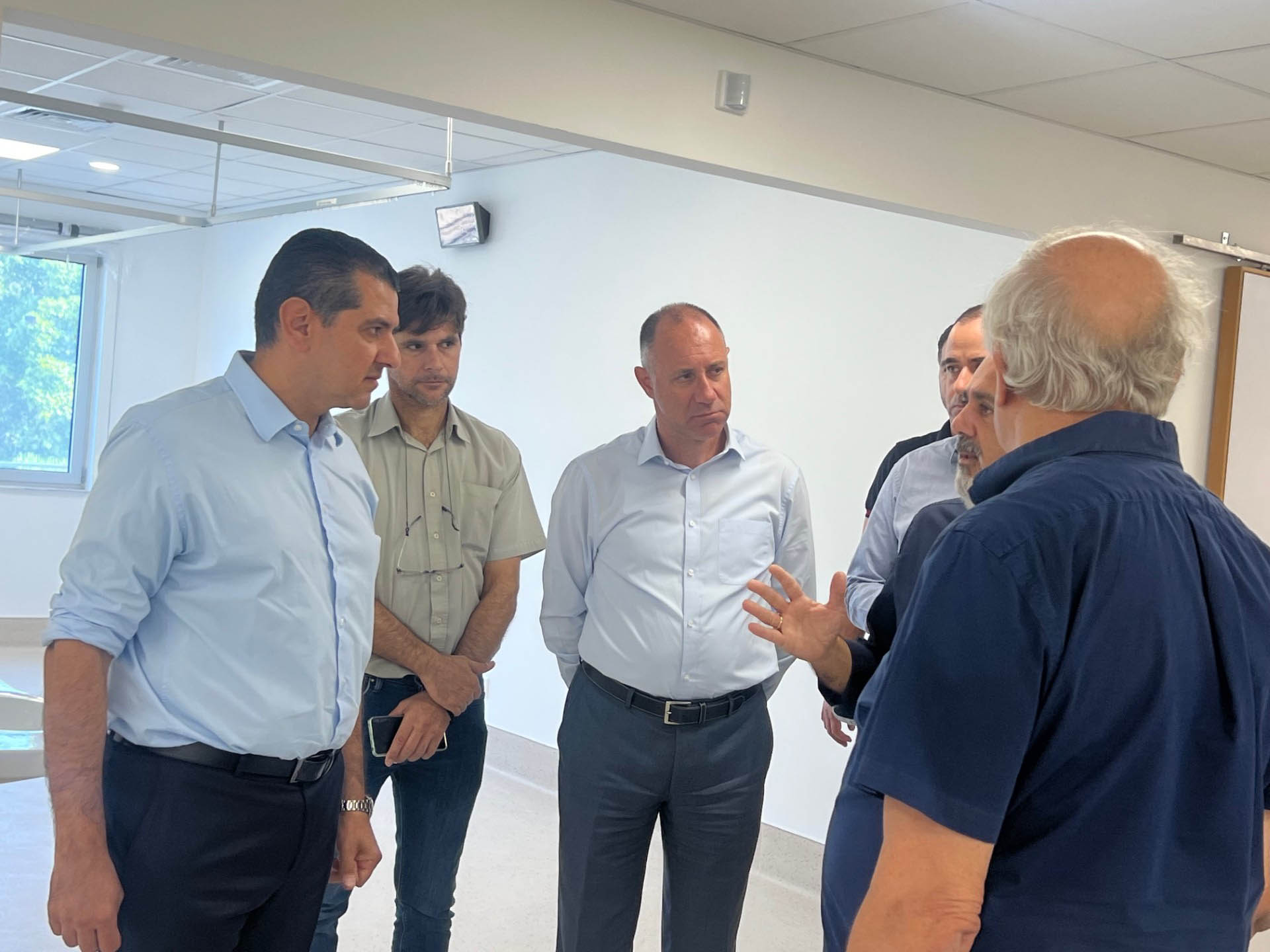
    During a recent visit to the hospital’s fast-track clinic, Damianos highlighted the significance of this new facility as a major upgrade for public health in the region. The A&E department aims to enhance healthcare delivery, providing a range of new services that will benefit the local community.

    A e: Improvements to Emergency Care

    Minister Damianos addressed longstanding concerns regarding lengthy waiting times in A&E departments, mentioning that the introduction of fast-track clinics has already “significantly reduced the problem.” These clinics are designed to handle low-risk cases, allowing designated doctors to treat patients more efficiently and alleviate pressure on emergency wards.

    Fast-Track Clinics and Their Impact

    Fast-track clinics began operating on a pilot basis earlier this year, with Nicosia launching its service on March 31, followed by Paphos on June 2. Larnaca’s clinic opened its doors on July 18, now operating from Friday to Sunday and averaging 18 patients per day. By August 26, the clinic had treated a total of 329 patients, showcasing its vital role in the healthcare system.

    Summer Services at Famagusta General Hospital

    In addition to Larnaca, a seasonal fast-track clinic commenced operations at Famagusta General Hospital on August 18, catering to the increased patient load typical of the summer tourist season. This clinic has reportedly treated around half of the hospital’s patients since its opening, averaging 16 visits per day within its first nine days.

    Future Developments at Larnaca General Hospital

    Further upgrades are underway at Larnaca General Hospital, including enhancements to the mental health clinic, dental clinic, and mother and child areas. These improvements are expected to be completed by the end of September, with the handover of new facilities planned within a month.

    Addressing Staffing Challenges

    While discussing the challenges faced by Famagusta General Hospital, Damianos acknowledged the unique demands placed on the facility due to the influx of tourists during the summer. He assured that the state health services organisation (OKYpY) is exploring options to bolster staffing levels to ensure a smooth operation during peak seasons.

    Transitioning to the New Building

    The transition of services from the old Larnaca hospital to the new building is progressing, with the first phase on the second floor nearing completion. This initial phase is expected to be finalised within a month, paving the way for OKYpY to begin the relocation process, including psychiatric services.

  • Nicosia limassol — Nicosia Limassol Highway Closed Near Parekklisia Due to Accident

    Nicosia limassol — Nicosia Limassol Highway Closed Near Parekklisia Due to Accident

    nicosia limassol — nicosia limassol — The Nicosia – Limassol highway is currently experiencing disruptions as the right lane remains temporarily closed in the Parekklisia area following a traffic accident that took place at 8:30pm.

    • Efforts to remove the vehicle involved in the crash are ongoing, and authorities have urged the public to maintain caution while driving through the affected area.

    According to police reports, traffic is being redirected through the left lane, and officers are present at the scene to assist drivers and ensure safety. Fortunately, no injuries were reported as a result of the incident.

    Efforts to remove the vehicle involved in the crash are ongoing, and authorities have urged the public to maintain caution while driving through the affected area.

    Motorists are advised to reduce their speed and keep a safe distance from other vehicles to prevent further accidents. The police are emphasising the importance of road safety, especially during these unexpected situations.

  • Smart Meter Installations to Begin Across the Island Next Week

    Smart Meter Installations to Begin Across the Island Next Week

    The electricity authority (EAC) is set to continue its smart meter installations across the island starting next week, with expected electricity supply interruptions of up to 20 minutes in various areas.

    Smart meter: Areas Affected in Nicosia

    In Nicosia, the installations will focus on the city centre and the Aglandjia area. Specific locations include Larnaca Avenue, from the roundabout towards SOPAZ, up to Salaminos and Stasinou Avenues. Work will also occur between Larnaca Avenue and Archbishop Makarios III Avenue, particularly around the University of Cyprus.

    Installation Plans in Limassol

    Moving to Limassol, smart meters will be installed along a section of Spyros Kyprianou Avenue, between Vasileos Konstantinou A’ Street and Agias Fylaxeos Avenue, located south of the Tsireios Stadium.

    Updates for Larnaca Residents

    Larnaca will see installations on Griva Digeni and Grymari Afxentiou Avenue, as well as Louki Akrita, Chrysopolitissis, Dimitraki Dianellou Streets, Mitropoleos Square, Andreas Strouthides, and Christodoulos Iakovidis Street.

    Paralimni’s Meter Installation Schedule

    In Paralimni, the installation will take place in the town centre, particularly around the church of Agios Georgios, and along Protara, Salaminos, Antonis Papadopoulou, and Ilias Papakyriakou Streets.

    Impact on Daily Life

    Residents in the installation areas should prepare for brief power interruptions. The EAC has advised that the outages will be kept to a minimum, aiming for a maximum duration of 20 minutes to lessen the impact on daily activities.

  • University of Nicosia Expands to Athens with New Branch

    University of Nicosia Expands to Athens with New Branch

    The University of Nicosia (UNIC) is set to open a new branch in Athens for the academic year 2025-2026, marking an exciting expansion for the institution.

    • The University of Nicosia (UNIC) is set to open a new branch in Athens for the academic year 2025-2026, marking an exciting expansion for the institution.
    • The establishment of these campuses reflects a growing interest in international education and the increasing demand for varied academic programmes in Greece.

    Located in the Ellinikon area, approximately 10 kilometres from the city centre, the new campus will offer a diverse range of study programmes. Students can expect to find courses in business administration, engineering, social sciences, law, and medicine, among others.

    This initiative is part of a broader trend, as UNIC is not the only institution taking this step. Three other private universities have also received approval to establish branches in Greece. The American University of Anatolia, the University of York, and the University of Keele will join UNIC in enhancing higher education options in the region.

    The establishment of these campuses reflects a growing interest in international education and the increasing demand for varied academic programmes in Greece.

  • Drug overdose — Cyprus Sees 182 Drug Overdose Deaths Since 2004

    Drug overdose — Cyprus Sees 182 Drug Overdose Deaths Since 2004

    drug overdose — Cyprus has recorded 182 deaths from drug overdoses between 2004 and 2023, with 17 fatalities documented in 2023 alone, predominantly linked to stimulant substances including cocaine and methamphetamine. This data was released by the Cyprus Drug Control Authority (AAEK) ahead of International Overdose Awareness Day.

    • As the data highlights the ongoing challenges of drug-related fatalities, the need for comprehensive strategies and community support is more critical than ever.

    Drug overdose: Stimulants on the Rise

    The report highlights a worrying trend, as the 2023 deaths were primarily attributed to stimulant drug use rather than the more traditional opioids. This shift indicates a changing landscape in drug consumption within Cyprus, raising concerns about the implications for public health and safety.

    International Context of Overdoses

    On a broader scale, the European Union has reported at least 6,500 overdose deaths across the bloc in 2023, as indicated by the EU Drugs Agency (EUDA). Many of these fatalities involved the simultaneous use of multiple substances, including opioids, stimulants, alcohol, and benzodiazepines. This polydrug consumption pattern aligns with global trends, suggesting an increase in the complexity of substance abuse cases.

    Preventative Strategies Underway

    In response to the rising overdose numbers, authorities in Cyprus are implementing integrated strategies aimed at overdose prevention. Strengthening substitution therapy programmes is a key focus, improving access and retention for individuals struggling with opioid use. The AAEK is ensuring continuity of treatment during incarceration and community reintegration periods, addressing a critical gap in support.

    Naloxone and Harm Reduction Efforts

    Furthermore, the availability of naloxone—a life-saving medication that can reverse opioid overdoses—has expanded across Cyprus. The AAEK is actively distributing naloxone in nasal spray form and training healthcare professionals who can educate users and their families on its proper administration.

    Harm reduction services are also being enhanced. The mobile unit “CareZone” is expanding its reach, and automatic dispensing machines providing sterile syringes are now available in all districts of Cyprus. These initiatives aim to reduce the risk of infections among drug users, showcasing a commitment to safer practices.

    Combatting Stigma through Awareness

    Public awareness campaigns are underway to tackle the stigma surrounding addiction. These initiatives aim to shift perceptions, strengthen support systems, and promote evidence-based approaches to drug dependency treatment. On 31st August, Eleftheria Square will be illuminated in purple to commemorate International Overdose Awareness Day. Staff from the CareZone mobile unit and AAEK officials will engage with the public, providing information, distributing educational materials, and discussing overdose prevention strategies.

    As the data highlights the ongoing challenges of drug-related fatalities, the need for comprehensive strategies and community support is more critical than ever.

  • Limassol Fire Response Highlights Gaps in Police Investigation Skills

    Limassol Fire Response Highlights Gaps in Police Investigation Skills

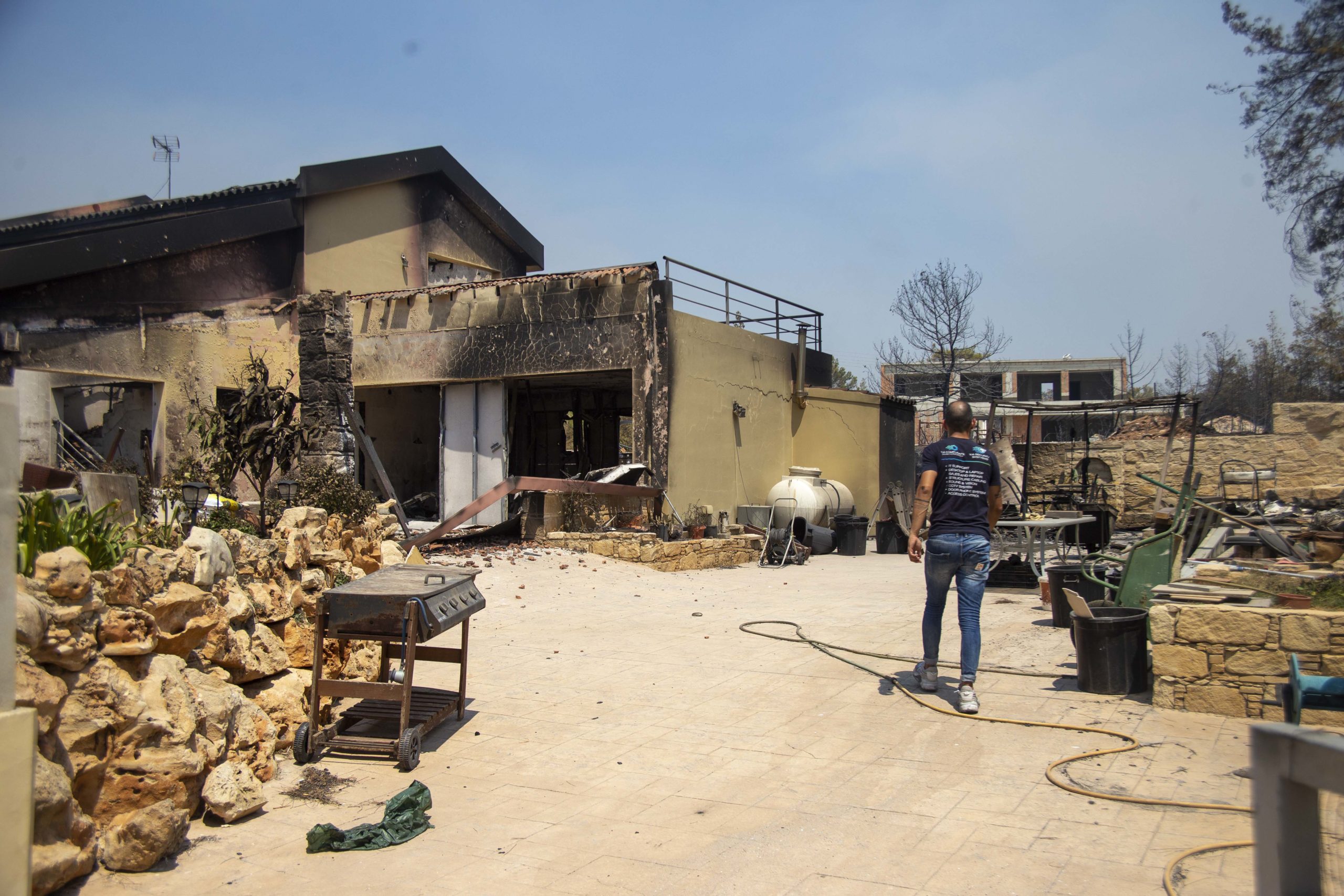
    The Limassol fire has prompted police to confront their lack of fire investigation expertise, revealing serious operational shortcomings in their emergency response. Deputy Police Chief Panikos Stavrou admitted to parliament that the investigators currently lack the specialised knowledge necessary for thorough fire investigation procedures.

    This significant gap in expertise has surfaced during a review of the police’s response to the deadly blaze, which exposed multiple operational failures that hindered effective management at the scene. Stavrou stated that while officers processed 13 pieces of information regarding the wildfire, they could not substantiate any arson suspicions against individuals, as no relevant testimonies had been obtained.

    Limassol fire: Operational Failures Unveiled

    The review unveiled numerous operational oversights during the emergency response. One critical issue highlighted was the entrance of unauthorised personnel into the Mobile Command Station, which complicated the efforts of those tasked with managing the situation. “The presence of unauthorised persons at the station complicates the work of responsible personnel,” Stavrou remarked, indicating that stricter protocols are essential.

    Additionally, the police acknowledged deficiencies in their media management protocols. They concluded that journalists should be positioned away from coordination centres and command stations to ensure that essential operations are not disrupted. This approach aims to streamline communication and enhance the effectiveness of the emergency response.

    Communications and Medical Support Issues

    Another pressing concern was the disruption of internet services due to damage sustained by various provider antennas during the fire. The police have recommended the installation of permanent satellite internet servers at the Mobile Command Station to ensure reliable communication in future emergencies.

    Perhaps most alarming was the absence of ambulances at the fire scene, despite numerous emergency calls for first aid and medical assistance. Officials have stressed that having ambulances present at crisis sites is vital, particularly in situations where rapid medical intervention is required.

    The Limassol police also faced challenges in providing essential social services. When citizens sought emergency accommodation, they found that contact information for relevant social welfare services was unavailable. While representatives from HOPE FOR CHILDREN were on-site to assist at the Crisis Management Centre, it was determined that these services would operate more effectively from separate spaces to improve communication with the public.

    Need for Enhanced Training

    The findings from the review have underscored the urgent necessity for joint training programmes between police and fire service personnel engaged in fire investigations. Acknowledging that current investigators lack the requisite specialised knowledge for effective examinations of fire scenes, Stavrou called for immediate action to address these training deficiencies.

    The Limassol fire serves as a stark reminder of the critical importance of specialised training and operational protocols in emergency response situations. As authorities continue to investigate other complaints related to additional fires across Cyprus, the emphasis on improving skills and procedures remains paramount.