Tag: Greece

  • Great Sea Interconnector Project Remains Active, Says Nexans CEO

    Great Sea Interconnector Project Remains Active, Says Nexans CEO

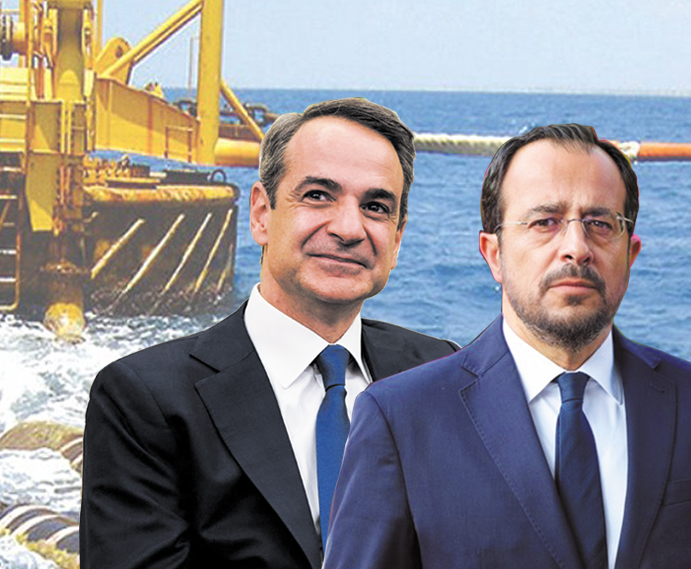
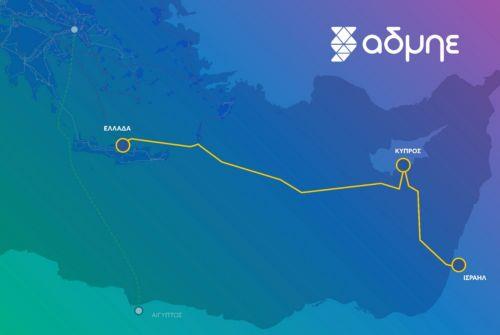
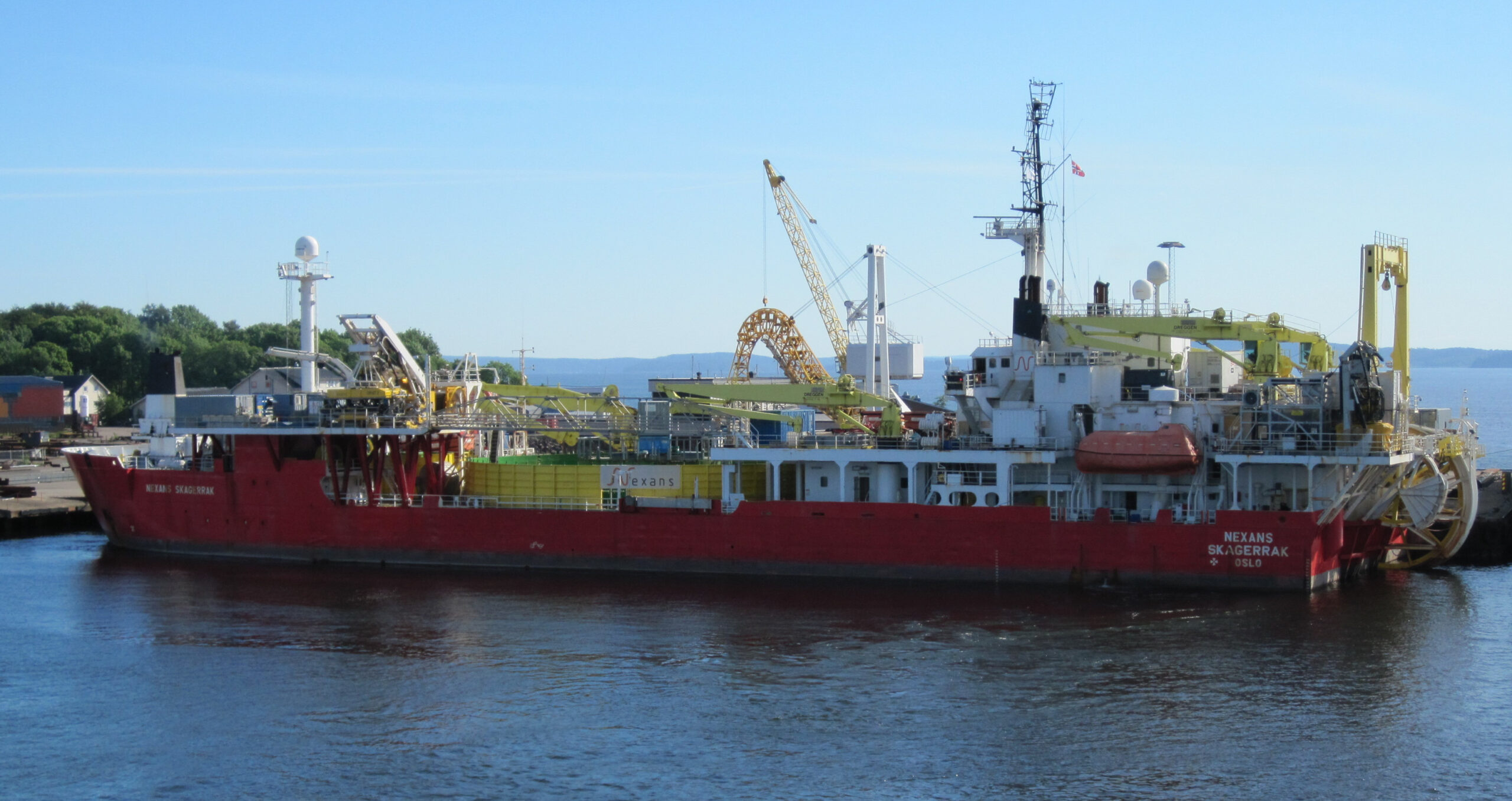
    great sea — The Great Sea Interconnector project is still on track, according to Nexans CEO Julien Hueber, who recently affirmed that there is “no Plan B” for the cable that has been constructed thus far. The subsea cable aims to link the electricity grids of Cyprus and Greece, a crucial development in enhancing energy cooperation between the two nations.

    During a conference call with analysts discussing the company’s Q3 earnings, Hueber stated, “Regarding the GSI project, as I said, the project is ongoing. Extremely good relationship and collaborative work with Ipto, our customer. For us, there is no plan B.”

    Ipto, or Admie by its Greek acronym, serves as Greece’s independent power transmission operator and plays a key role in the GSI initiative. Nexans has already received €250 million in payments in various tranches for the project.

    Hueber highlighted the collaborative nature of their work, noting, “We are in discussion at this moment in terms of the next steps of this project, and the milestone of payment is part of it.” He also confirmed that there are ongoing discussions at the political level, backed by the European Commission, regarding the project’s future.

    Responding to concerns raised about the potential cancellation of the interconnector, Hueber firmly stated, “First of all, the project is not canceled. We are still working on it. There are extremely close discussions on the relationship with our customers.” He reassured stakeholders that there is no perceived risk to the project’s continuation.

    Vincent Dessale, a Senior Executive at Nexans, provided further insight by mentioning that the total cost of the GSI project is €1.4 billion, of which €250 million has been received from Admie so far. However, complications have arisen as Cyprus has withheld a €25 million payment to Greece’s Admie for the year 2025, leading to tensions between Nicosia and Athens.

    In a recent teleconference, the energy ministers of Cyprus and Greece, along with the EU energy commissioner, discussed the matter. Following their meeting, a joint statement was released, affirming that both governments are committed to collaborating “in a spirit of unity and mutual trust.”

    The EU’s involvement in the GSI project is significant, with a pledge of €657 million in grants out of the total €1.9 billion project cost. This funding underscores the importance of the interconnector not only for Cyprus and Greece but also for the broader European energy landscape.

  • Interconnector — Keravnos Labels Greek Energy Minister’s Claims as ‘Fake News’ Regarding Interconnector

    Interconnector — Keravnos Labels Greek Energy Minister’s Claims as ‘Fake News’ Regarding Interconnector

    The debate surrounding the Great Sea Interconnector has intensified, with Finance Minister Makis Keravnos accusing Greek Energy Minister Stavros Papastavrou of spreading ‘fake news’. This accusation arose after Papastavrou claimed Keravnos had failed to present studies he cited, which purportedly indicate that the project is not sustainable.

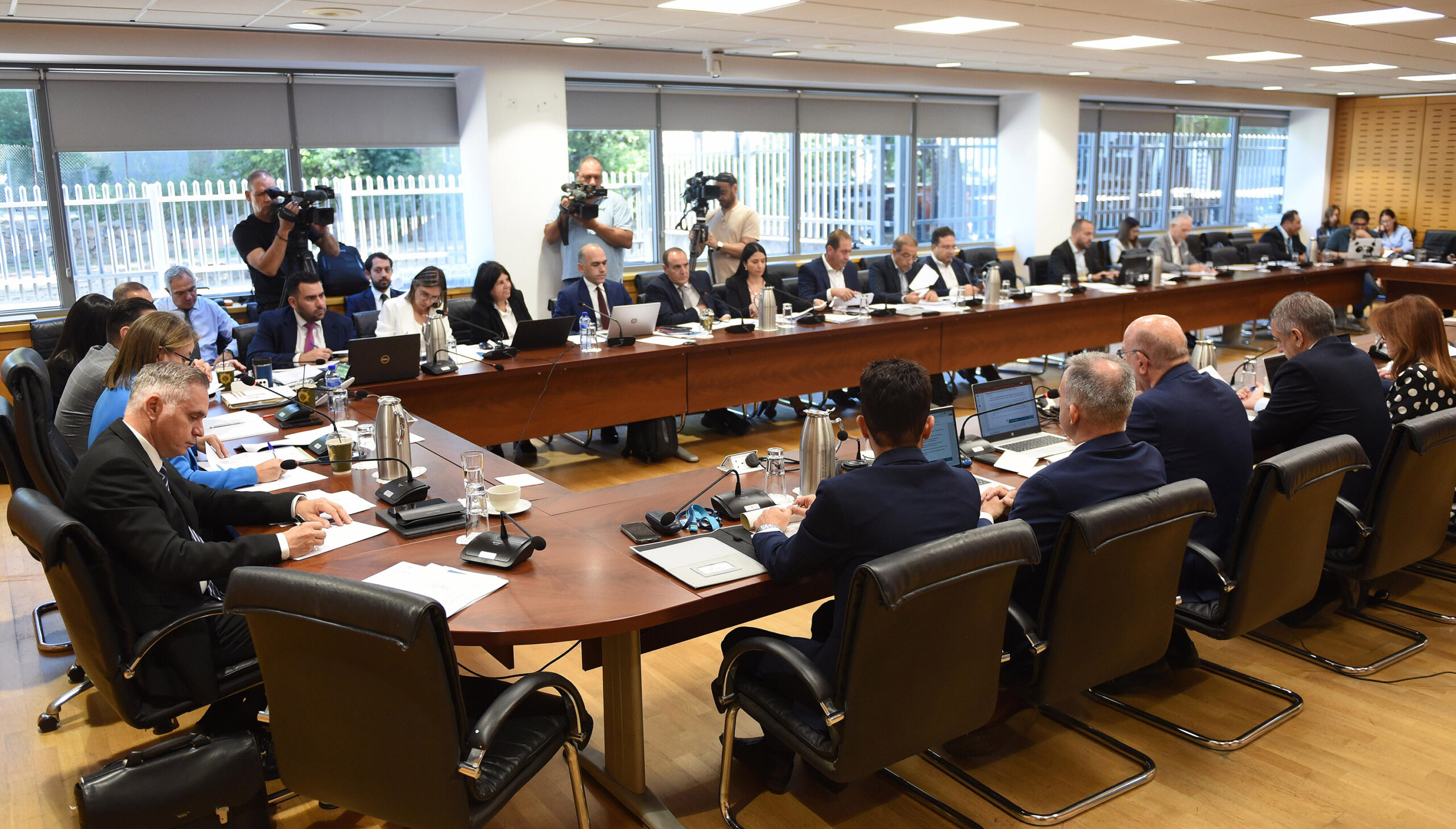
    During a session of the House finance committee, Keravnos clarified that the studies in question were commissioned by Cypriot Energy Minister George Papanastasiou and were properly submitted to the Greek energy ministry. “We all know the studies and their findings,” he remarked, acknowledging that while some concerns are valid, he himself shares numerous reservations about the project’s viability.

    Keravnos expressed his commitment to maintaining harmonious relations between the Greek and Cypriot governments, although he expressed discontent with Papastavrou’s assertions. He noted that his predecessor, Constantinos Petrides, had received these studies from the energy ministry during his tenure.

    In a recent television appearance, Papastavrou dismissed what he termed ‘constantly conflicting messages from the Cypriot side’ regarding the interconnector. He cited Keravnos as questioning the project’s viability both before and after a meeting between Cypriot President Nikos Christodoulides and Greek Prime Minister Kyriakos Mitsotakis in New York. Papastavrou stated, “The finance minister says that it should not be done and it is not sustainable, referring to two studies which he does not show to Cypriot Energy Minister George Papanastasiou.”

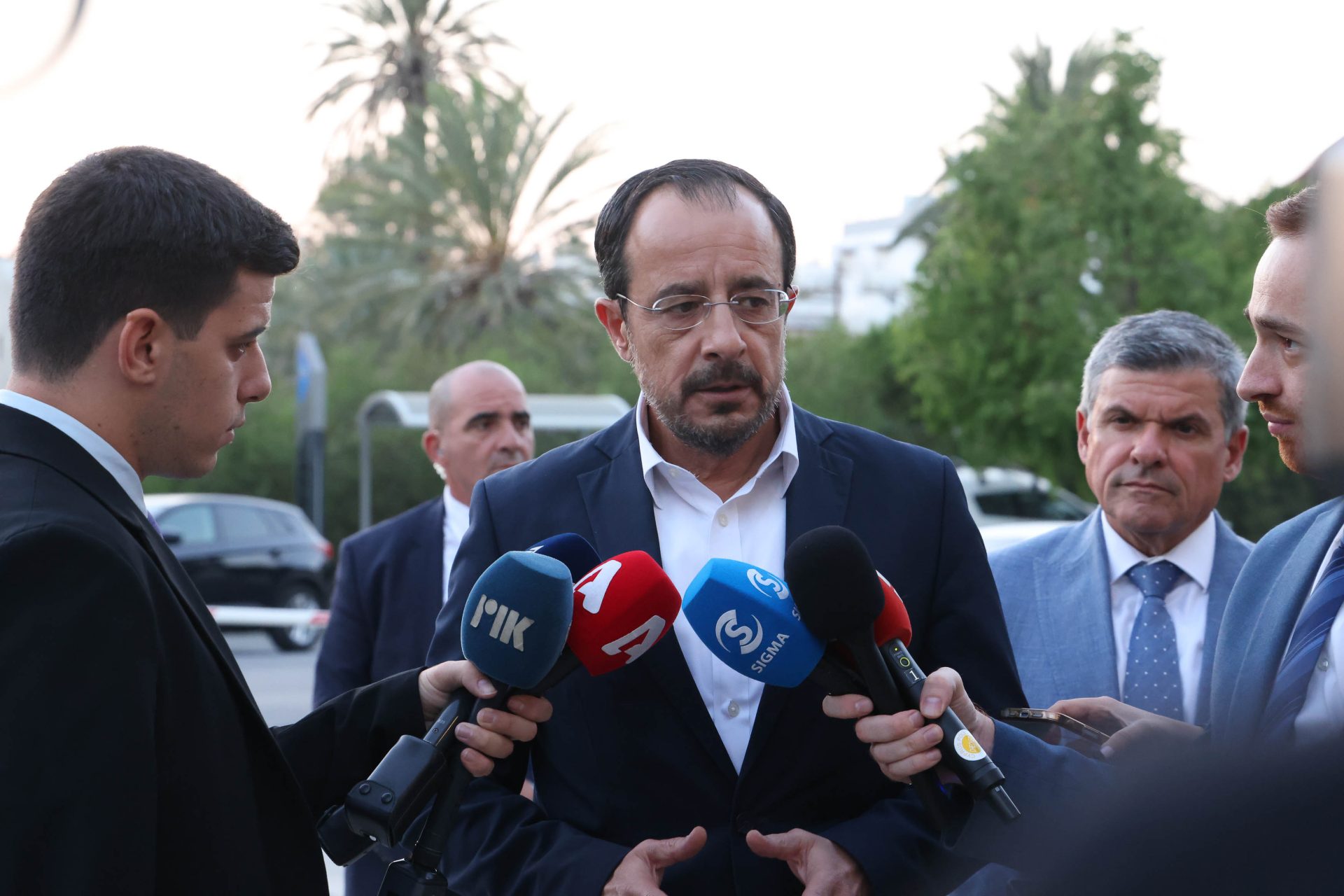
    Compounding the tension, Papastavrou addressed comments from President Christodoulides, who had taken issue with demands from Greece’s independent transmission system operator, Admie, for Cyprus to pay €25 million for the project. Papastavrou affirmed that Cyprus would not be ‘blackmailed’ over these payments, which are intended to support the project’s financing and ensure Admie’s income during the construction phase.

    The financial commitment from Cyprus involves five annual payments of €25 million, which the Cypriot government has withheld due to a perceived lack of progress on the project and disagreements over funding sources. Papanastasiou stated last month that the first instalment would only be released when the project is fully implemented, asserting that merely constructing cables is insufficient to meet this requirement.

    Initially, Cyprus planned to utilise funds from the European Union’s emissions trading system to cover these payments, alleviating the financial burden on taxpayers. However, Admie has raised concerns that this arrangement could potentially violate EU state aid regulations and has requested the Cyprus energy regulatory authority (Cera) to start charging consumers instead.

    In September, Greek Deputy Prime Minister Kostis Hatzidakis urged the Cypriot government to clarify its stance on the interconnector, following Keravnos’s public statements regarding the independent studies that concluded the project was unsustainable. Hatzidakis pointed out that the necessary seabed surveys to determine cable placement had not yet been completed, describing completion of these surveys as crucial for accurately estimating the project’s total cost.

    Contradicting this narrative, Greek Foreign Minister Giorgos Gerapetritis asserted that seabed surveys were ongoing and had proceeded according to schedule. This conflicting information has only added to the uncertainty surrounding the interconnector’s future.

  • Stricter Licence Tests for Elderly Drivers Under Consideration Across Europe

    Stricter Licence Tests for Elderly Drivers Under Consideration Across Europe

    Stricter licence tests for elderly drivers are under consideration as European countries evaluate new conditions for renewing driving licences for those aged 70 and above. The proposed framework suggests that these drivers would need to undergo an eye examination every three years to assess their ability to read road signs and recognise objects from specific distances.

    • The motivation behind these regulations is to enhance road safety while ensuring that elderly drivers can still navigate the roads responsibly.

    Balancing Safety and Mobility

    The ongoing discussion among authorities revolves around balancing the mobility rights of older drivers and the necessity for road safety. Many elderly individuals rely on their vehicles for daily activities, leading to a complex challenge for policymakers. They aim to implement measures that protect all road users while ensuring that older citizens do not lose their independence and dignity.

    Rising Concerns Over Accident Rates

    Data from various European countries highlight a concerning trend: older drivers are involved in more road accidents. Research indicates that with age, reflexes diminish, concentration wanes, and visual acuity declines—factors that severely impact driving capability. Moreover, issues such as hearing loss and reduced peripheral vision can heighten the risk of accidents.

    While many elderly drivers exhibit caution and experience, experts stress the importance of regular health checks and periodic re-examinations to ensure safety on the roads. Statistics reveal a troubling increase in the percentage of road fatalities among elderly drivers in the European Union, rising from 22% in 2010 to 28% in 2018, according to the European Parliament.

    Current Regulations in Cyprus

    In Cyprus, drivers aged over 70 must renew their licences every three years, supported by a health certificate from a doctor confirming their fitness to drive. In certain instances, authorities may require additional assessments of driving ability beyond medical evaluations to ensure compliance with safe driving standards. If significant health issues are identified, a driver’s licence may be suspended or revoked, necessitating the surrender of their driving privileges.

    The motivation behind these regulations is to enhance road safety while ensuring that elderly drivers can still navigate the roads responsibly.

    Increasing Numbers of Elderly Drivers in Cyprus

    Recent data from Transport Minister Alexis Vafeades reveals a steady rise in the number of drivers over 70 in Cyprus. The figures demonstrate a consistent increase from 60,443 in 2019 to an expected 76,514 in 2024. In contrast, the population of drivers under 70 has decreased from 627,087 in 2019 to 582,287 in 2024.

    Greece’s Approach to Elderly Drivers

    In Greece, regulations demand that drivers aged 65 and older renew their licences every three years, following assessments by medical professionals, including pathologists and ophthalmologists. For those over 80, the process becomes more stringent, requiring renewal every two years and evaluations by otolaryngologists and neurologists or psychiatrists. If any health concerns arise that could compromise driving ability, the individual will not be permitted to renew their licence.

    Proposed Changes in the UK

    The UK is considering implementing mandatory medical checks for drivers over 70, a move that could lead to thousands losing their driving licences. Under the proposed measures, these drivers would be required to undergo eye examinations every three years, assessing their capacity to read signs and recognise objects. Currently, drivers in the UK are not mandated to undergo medical assessments, leaving it up to individuals to report any health issues that may affect their driving.

    This potential shift aligns with broader European discussions aimed at re-evaluating driving regulations for older citizens, focusing on accident prevention and improved road safety. Italy is also contemplating similar measures, reflecting a growing trend across the continent.

  • Dispute Over Payment Structures Clouds Great Sea Interconnector Project

    Dispute Over Payment Structures Clouds Great Sea Interconnector Project

    great sea — A longstanding difference over payment structures is at the heart of the ongoing dispute involving the Great Sea Interconnector (GSI) project. Sources revealed that the energy regulator of Cyprus is at odds with Admie, Greece’s independent power transmission operator and the project promoter for the GSI.

    • In a clarification issued after President Christodoulides’ remarks, Admie stated it was not demanding the entire €251 million immediately but was contesting Cera's verification of €82 million.

    The issue resurfaced following strong comments made by Cypriot President Nikos Christodoulides, who asserted that the state would not be “blackmailed” by Admie. This statement came in response to a report from the daily Phileleftheros, which highlighted the tensions surrounding the project.

    President Christodoulides reiterated that there is “no crisis” between the governments of Cyprus and Greece, despite the apparent disagreements over the GSI. He acknowledged that some “technocratic differences” exist regarding the project.

    On Monday, the Cyprus energy regulatory authority (Cera) confirmed it had received a letter from Admie concerning its expenses on the GSI. The letter, dated September 26, appeals a previous decision made by Cera in July, where only €82 million in capital expenditures (capex) was verified by the regulator. In contrast, Admie claims it has spent €251 million to date.

    In a clarification issued after President Christodoulides’ remarks, Admie stated it was not demanding the entire €251 million immediately but was contesting Cera’s verification of €82 million.

    This disagreement stems from a history of disputes dating back to when EuroAsia Interconnector Ltd, a Cypriot company, was the original project promoter. After EuroAsia withdrew in October 2023 due to financing issues, Admie took over but found the existing agreement with Cera unsatisfactory. The previous agreement allowed for some expense recovery only after project completion, while Admie insists on the ability to recoup costs as they occur.

    Differences in regulatory practices between Cyprus and Greece exacerbate the situation. In Cyprus, it is customary for the implementing entity to be reimbursed after completing a project, whereas Greece permits reimbursement of expenses as they arise. This fundamental disagreement remains unresolved, with Admie’s recent letter being the latest development in ongoing discussions.

    Cera has not accused Admie of dishonesty regarding the €251 million claim; rather, it has requested evidence in the form of invoices to support the expenditure. Currently, Cera maintains that only €82 million can be substantiated.

    In July 2024, Cyprus and Greece entered into an interstate agreement committing Cyprus to pay €25 million annually into the GSI project from 2025 to 2030, totalling €125 million. However, this agreement does not address the core issue of when expenses can be reimbursed, leaving Admie’s costs to accumulate.

    It’s important to note that the €251 million claimed by Admie does not represent Cyprus’ total liability. Cyprus is responsible for 63% of that amount, while Greece covers the remaining 37%, as per the agreed division of costs.

    The overall cost of the interconnector project is estimated at €1.9 billion, and as time progresses, Admie’s financial claims may increase beyond the current figure. Complicating matters further is the ongoing Turkish interference, which has halted depth surveys necessary for mapping the subsea cable route. So far, surveys have only been conducted in the territorial waters off Crete and Cyprus, with Turkish claims of continental shelf rights preventing exploration in international waters. This leaves significant gaps in the necessary seabed mapping for the project.

  • Finance Minister Keravnos Raises Concerns Over Great Sea Interconnector Funding

    Finance Minister Keravnos Raises Concerns Over Great Sea Interconnector Funding

    great sea — Finance Minister Makis Keravnos has voiced significant concerns regarding the funding of the Great Sea Interconnector (GSI) project, citing potential financial risks associated with its implementation. In remarks made following a meeting of the Council of Ministers on Monday, where the 2026 state budget was under consideration, Keravnos highlighted findings from various studies suggesting that the GSI may not be financially sustainable.

    Keravnos stated, “I still think this issue is under discussion. If we pay the money, there is a risk. As I have said, studies suggest that the project is not viable.” His comments reflect a consistent apprehension regarding the project’s feasibility, a sentiment he has expressed on multiple occasions.

    The GSI aims to connect the energy grids of Cyprus, Greece, and Israel, representing a significant step towards regional energy integration. However, the project has faced various challenges, leading to the Cypriot government withholding €25 million requested by Greece’s independent transmission system operator, Admie, to assist with its funding.

    During the budget preparations, Keravnos mentioned that both internal and external risks had been evaluated, with the GSI identified as a notable concern. He emphasised the uncertainty surrounding the final cost of the project, which adds another layer of complexity to funding decisions.

    In a related matter, the Minister addressed the European Commission’s demand for the return of €67 million related to the Vasiliko liquefied natural gas (LNG) terminal, which was never completed. Keravnos assured that the government is actively managing this issue, hinting at potential offsets with future funds. “We are not giving up, we are fighting,” he asserted, indicating a commitment to navigating the financial challenges ahead.

    When pressed by journalists about the possibility of negotiating the demanded amount, Keravnos firmly stated that the figure was not negotiable under any circumstances, reaffirming the government’s position on the matter.

  • President Affirms No Disagreements with Greece on Great Sea Interconnector

    President Affirms No Disagreements with Greece on Great Sea Interconnector

    great sea — President Nikos Christodoulides has confirmed that there are no disagreements with the Greek government regarding the Great Sea Interconnector (GSI) project, a vital initiative aimed at connecting the energy grids of Cyprus, Greece, and Israel.

    His remarks come after Greek Deputy Prime Minister Kostis Hatzidakis urged the Cypriot government to clarify its stance on the GSI during a press conference. Highlighting the project’s significance, Hatzidakis noted that Cyprus stands to gain substantially from the interconnector, which would alleviate the island’s current energy isolation.

    Despite the enthusiasm surrounding the project, Hatzidakis pointed out a crucial financial concern, stating that the costs of the GSI cannot rely solely on Greek taxpayers. He stressed the need for shared funding, with a particular reference to a request made by Greece’s independent transmission system operator, Admie, for the Cypriot government to contribute €25 million towards financing the project. This request has faced resistance from Cypriot Finance Minister Makis Keravnos, who has yet to give his consent.

    Admie holds a 51 per cent stake in the GSI, making it the majority stakeholder and responsible for its execution. President Christodoulides reiterated the strategic importance of the project for Cyprus and expressed confidence in Admie’s commitment to fulfilling its responsibilities. He emphasised that the sustainability of the GSI hinges on Admie meeting its obligations.

    In a related development, the President revealed that the European Public Prosecutor’s Office (EPPO) has initiated an investigation into potential criminal offences linked to the electrical interconnection project. This announcement came after an earlier inquiry into an alleged €101 million corruption case involving the liquefied natural gas (LNG) import terminal in Vasiliko.

    Christodoulides acknowledged that the EPPO investigations may be causing delays in the implementation of both projects. However, he asserted that these delays are necessary to maintain the country’s international reputation and ensure transparency in the management of public funds. The investigation, which began in March 2024, is reportedly scrutinising bank accounts of various politicians, state officials, and civil servants, amidst allegations of procurement fraud and misappropriation of EU funds.

    While the EPPO has remained tight-lipped about specific details, sources suggest that a court request to lift bank confidentiality has revealed significant evidence currently under examination in Luxembourg. As the investigations unfold, both governments are keenly awaiting results that could impact the future of the GSI and the broader energy strategy for Cyprus.

  • Demographic problem: Demographic Challenges Threaten Greece and Cyprus, Warns Greek Official

    Demographic problem: Demographic Challenges Threaten Greece and Cyprus, Warns Greek Official

    demographic problem — The demographic problem is increasingly seen as a critical issue ‘killing’ both Greece and Cyprus, according to Greek Deputy Foreign Minister Ioannis Loverdos. Speaking during his visit to Cyprus for the annual World Conference of Cyprus Diaspora, Loverdos emphasised the need for immediate action to address this pressing concern.

    Demographic problem: Call for Action on Demographics

    As he arrived at the presidential palace in Cyprus, Loverdos stated, “We need to change this course.” His comments highlight the urgent need for both countries to confront the demographic challenges that are impacting their populations and future stability.

    Broader National Issues Beyond Cyprus

    Loverdos also pointed out that while there are numerous national issues that may not be directly linked to the ongoing Cyprus problem, they hold significant value and require attention. He noted, “They are directly related, and we must emphasise them.” This reflects an understanding that the demographic issue is intertwined with various national interests and policies.

    Support from Greece to Cyprus

    During his remarks, Loverdos reassured the Cypriot government of Greece’s unwavering support. “You know this. After all, for 51 years, that has been our first priority,” he said, emphasising Greece’s long-standing commitment to assist Cyprus in any way possible.

    International Dimensions of the Cyprus Issue

    The Greek minister further elaborated on the Cyprus problem, clarifying that it should not be viewed merely as a bilateral disagreement between Greece and Turkey. Instead, he asserted, “It is an international issue which concerns the United Nations and the European Union primarily, but also all the actors of the international community.” Loverdos underscored the importance of global engagement in resolving the Cyprus situation, insisting that it transcends the relations between the two nations.

    Understanding the Global Context

    Loverdos stressed that this perspective must be recognised by all involved parties, stating, “This must be understood by everyone, that it is an issue which goes beyond relations between Turkey and Greece.” His comments point to a broader need for cooperation among various international stakeholders to address the complexities surrounding Cyprus.

    Welcoming Reception by Cypriot Leadership

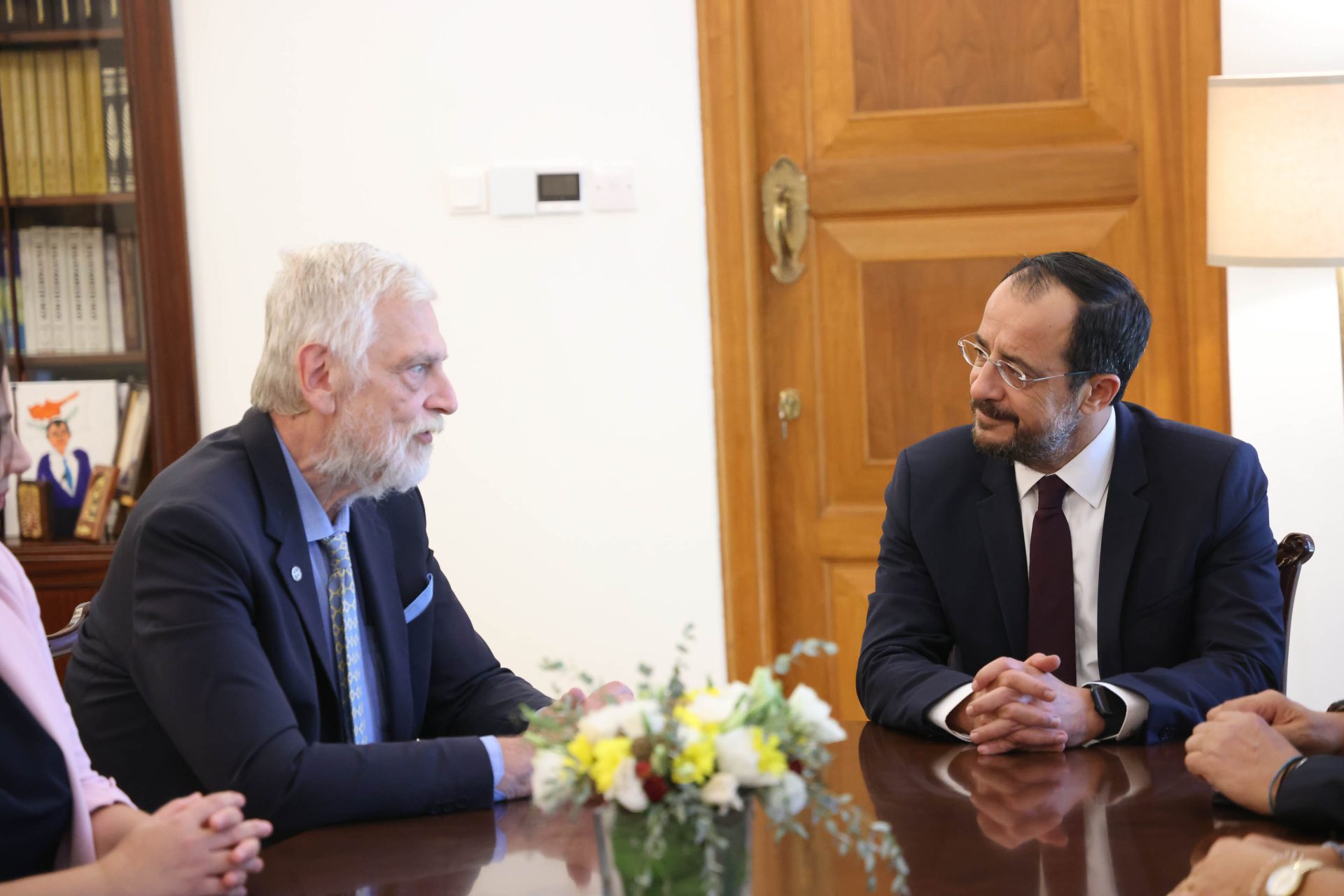
    Cypriot President Nikos Christodoulides warmly welcomed Loverdos, expressing his pleasure at hosting him during the diaspora conference. “I said yesterday that I had the blessing in different capacities… to get to know our diaspora, who do a tremendous job, firsthand,” Christodoulides remarked. This illustrates the significance of the diaspora in maintaining connections between Cyprus and its citizens abroad.

    The Role of the Cyprus Diaspora

    Christodoulides highlighted the vital role of the Cypriot diaspora, describing them as “our best ambassadors abroad.” He noted that many members of the diaspora hold “important political and economic positions” in their host countries, which can be leveraged for the benefit of Cyprus. “Therefore, we have an obligation to utilise them even more, to work together. I believe very much in the diaspora,” he stated.

    Strengthening Cyprus-Greece Relations

    Discussing the relationship between Cyprus and Greece, Christodoulides characterised it as “fraternal.” He noted that the two countries have made significant strides in collaboration. “In fact, we went a step further with [Greek Prime Minister Kyriakos Mitsotakis]… and from the very first moment, we established that the Republic of Cyprus is not only the Cyprus problem; it is the solution to many of the problems faced by both the region and by the European Union,” he added. This statement underscores the strategic importance of Cyprus within the broader regional context.

    Looking Ahead

    As Greece and Cyprus confront their demographic challenges, the cooperation between the two nations, alongside support from the diaspora and international community, will be essential. Addressing these issues will require a multifaceted approach that encompasses both local and global perspectives. The ongoing dialogue between officials from both nations highlights a commitment to finding viable solutions that can secure a more stable future.

  • Trilateral cooperation — Greek and Syrian Foreign Ministers Explore Trilateral Cooperation Involving Cyprus

    Trilateral cooperation — Greek and Syrian Foreign Ministers Explore Trilateral Cooperation Involving Cyprus

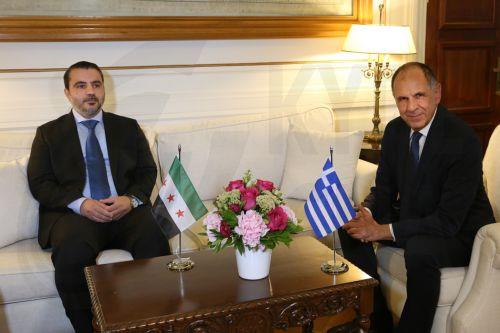
    Greek Foreign Minister Giorgos Gerapetritis and Syria’s interim Foreign Minister Asaad Al-Shaibani met in Athens to discuss a trilateral cooperation scheme involving Cyprus. The meeting, announced by the Greek foreign ministry on Wednesday, reflects a strategic intention to enhance regional collaboration.

    Trilateral cooperation: Commitment to Regional Cooperation

    During the meeting, both ministers underscored their commitment to fostering regional cooperation through the establishment of a trilateral format that would include Cyprus. Lana Zochiou, spokesperson for the Greek foreign ministry, relayed this intent, stating, “The ministers confirmed their will to promote regional cooperation by establishing a trilateral format with the participation of the Republic of Cyprus.”

    Potential Meeting at the UN General Assembly

    The first meeting of the proposed trilateral partnership could occur during the 80th Session of the United Nations General Assembly, scheduled from September 9 to September 29 in New York. This platform presents an opportunity for further dialogue and the potential for solidifying agreements among the involved parties.

    Awaiting Concrete Measures

    While the discussion marks a significant step in diplomatic relations, specific details outlining how the trilateral cooperation will manifest remain undisclosed. The absence of concrete measures raises questions about the practical implications of the proposed collaboration.

    Cyprus’s Role in Regional Diplomacy

    Cyprus has been actively pursuing better relations with Syria, as highlighted by Foreign Minister Constantinos Kombos in a statement made in May. He noted that Cyprus was “actively pursuing good neighbourly relations” with Syria and advocated for the lifting of sanctions on the nation. Given Cyprus’s geographic proximity to Syria—approximately 350km—this initiative could facilitate a more robust interaction between the two countries.

    Addressing Migration Challenges

    Amid rising concerns over asylum seekers and irregular migrants arriving in Cyprus, the government has initiated efforts to engage European Union partners regarding safety declarations for parts of Syria. Interior Minister Constantinos Ioannou labelled the situation as “alarming,” prompting Cyprus to lead a group of EU members to explore this issue further.

    Collaborative Efforts with Greece

    In a recent meeting with Greek Migration Minister Dimitris Kairidis, Ioannou emphasised the necessity for “joint actions” to effectively manage the ongoing migration situation. This collaboration aligns with Greece’s expressed intent to join the Cyprus-led EU Syria Group, aiming to address the complexities of migration flows in the region.

    International Meeting on Migration

    In mid-May 2024, an international meeting of interior ministers was convened in Cyprus, featuring representatives from Austria, the Czech Republic, Denmark, Greece, Italy, Malta, and Poland. This gathering aimed to discuss coordinated strategies to tackle the pressing issues related to migration and asylum seekers.

    Looking Ahead

    The discussions between Greece and Syria, with Cyprus as a participating nation, signal a potential shift in regional dynamics. While the specifics of the trilateral cooperation scheme are yet to be defined, these diplomatic efforts could pave the way for enhanced collaboration in addressing shared challenges.

    The ongoing dialogue between these countries illustrates the importance of regional partnerships in navigating complex political and humanitarian issues. As the situation develops, the involvement of Cyprus alongside Greece and Syria could prove pivotal in shaping future cooperation in the Eastern Mediterranean.